

-49% Hot
Price range: ₹359.00 through ₹699.00

-43% Hot

Original price was: ₹699.00.₹399.00Current price is: ₹399.00.
-44% New

Price range: ₹249.00 through ₹449.00
-53% Hot
Price range: ₹300.00 through ₹470.00
 Vegan Food
 Baby & Mom
 Beauty
 Fashion
 Pet & Animal Care
 Health & Wellness
 Home & Cleaning Essentials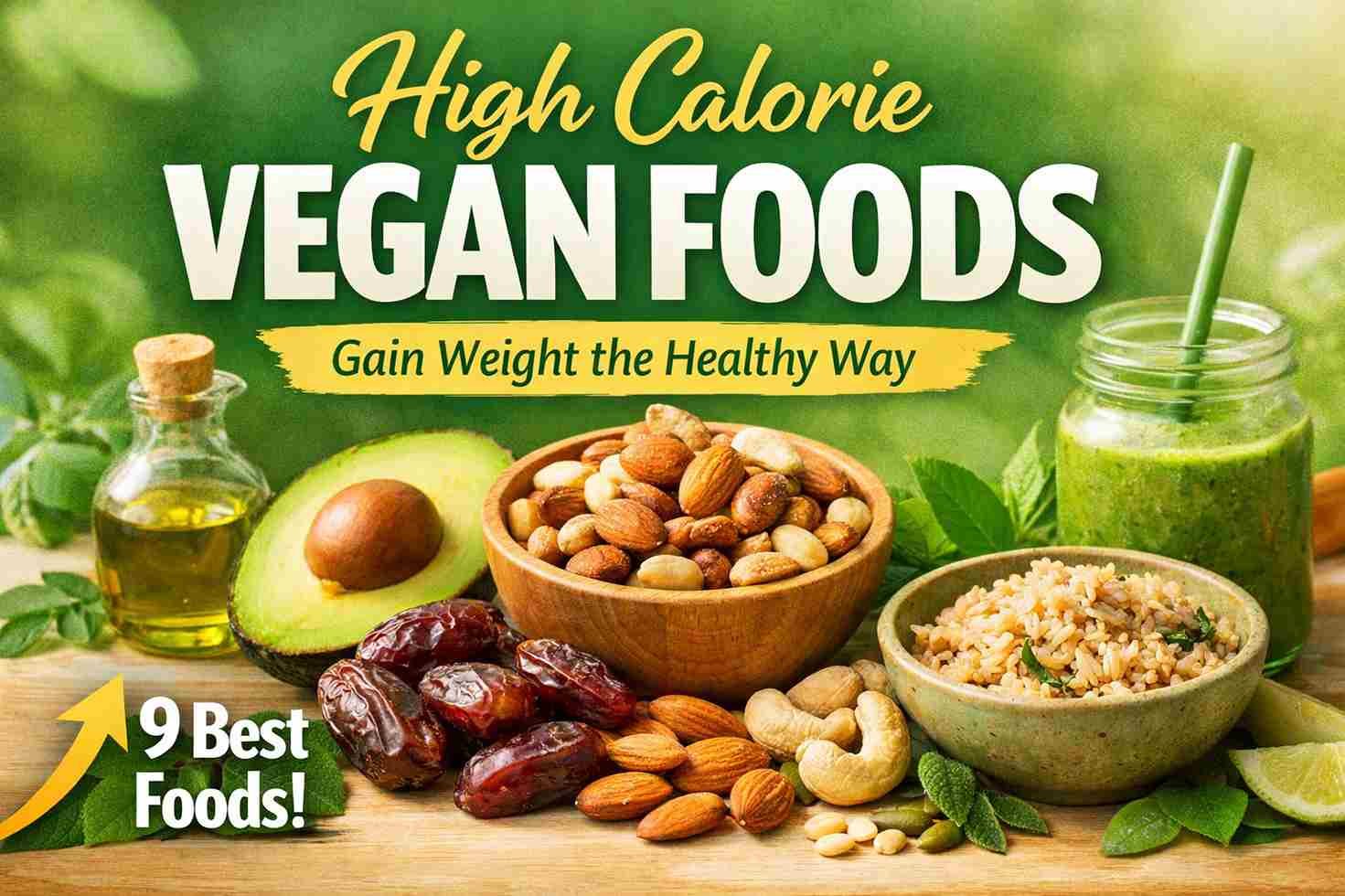
Many people believe that gaining weight on a vegan diet is difficult, but the truth is — it’s all about choosing the right foods. With the right high-calorie plant-based options, you can easily increase your calorie intake in a healthy and sustainable way.
This blog explores 9 powerful high calorie foods vegan, including nuts, avocados, olive oil, dried fruits, whole grains, legumes, coconut, smoothies, and seeds, that can support healthy weight gain. You’ll also learn what makes a food calorie-dense, why these foods are especially important for vegans, and how to include them in your daily diet.
Along with this, the blog shares practical meal ideas for breakfast, lunch, and snacks, smart weight gain tips like maintaining a 300–500 calorie surplus, and the importance of balancing protein, healthy fats, and carbohydrates. It also highlights affordable Indian vegan options, explains the difference between healthy and empty calories, and helps you understand who can benefit the most from a high-calorie plant-based diet.
High calorie vegan foods are plant-based foods that deliver a large amount of energy — primarily through healthy fats and complex carbohydrates — in a relatively small serving size. In nutrition terms, “high calorie” refers to foods with significant energy density, meaning more calories packed into less volume. These foods are especially important for weight gain because gaining weight requires eating more calories than your body burns each day.
On a plant-based diet, this can be harder to achieve since many whole plant foods are high in fiber and water, making you feel full before you have eaten enough calories. High calorie vegan foods solve this by delivering concentrated energy efficiently, without needing you to eat large, uncomfortable quantities.
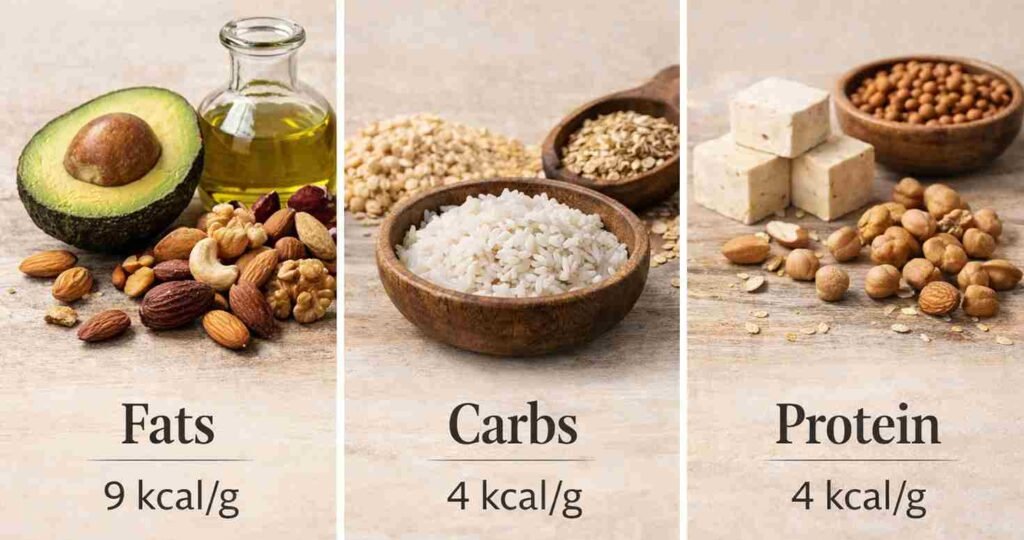
Every food gets its calorie content from one or more of the three macronutrients:
The most calorie-dense vegan foods tend to be those with a high fat content, such as oils, nuts, seeds, nut and seed butters, avocados, and coconut products — because fat has 9 calories per gram, as opposed to carbohydrates and protein which have 4 calories per gram.
From the onset, it can seem difficult to gain weight while on a vegan diet. If you are underweight or looking to bulk up, it is important to emphasise certain foods. To gain weight, you need to eat more calories than you expend. Here is why high calorie foods vegan are essential:
Verified Fact: Calorie-dense foods help increase your total energy intake without needing to eat large, uncomfortable volumes. This is the core advantage of building your diet around energy-dense plant foods.

This is the most important section of this guide. These nine foods are the foundation of any effective high calorie vegan diet for weight gain — all verified against the USDA FoodData Central database and leading nutrition sources.
Calories: ~597 kcal per 100g (peanut butter)
In a 100-gram amount, smooth peanut butter supplies 597 calories and is composed of 51% fat, 22% protein, and 22% carbohydrates including 5% dietary fiber. Other nut butters — almond, cashew, sunflower seed — fall in a similar range. Whole nuts are equally dense. A single ounce of almonds, peanuts, or pistachios has about 164 calories, while an ounce of macadamias or pecans can have approximately 200 calories.
Research has shown that the consumption of nuts has a variety of health benefits — they are nutrient dense, providing our bodies with high-quality plant-based protein, healthy fats, fiber, minerals, tocopherols, phytosterols, and phenolic compounds.
How to eat more:
Calories: ~160 kcal per 100g
Avocados are high in calories for a fruit. 100g of avocado contains around 160 calories — over three times the calories of the same weight of apple. The dominant fat in avocado is oleic acid, the same monounsaturated fat found in olive oil, which is linked to improved cholesterol levels and reduced inflammation.
When trying to gain weight and increase your calorie intake, it is important to include plenty of healthy fats in your diet. Gram for gram, fats have a higher calorie content than protein and carbohydrates — 9 calories per gram of fat versus 4 calories per gram of protein or carbohydrate. Top vegan sources of healthy fats include avocados, hummus, coconut products, olive oil, nuts, seeds, and nut butters.
How to eat more:
Calories: ~120 kcal per tablespoon
Oils are in fact the highest energy density food you can consume, packing 120 calories into a tablespoon. Whether it is olive oil, coconut oil, vegetable oils, avocado oil, or sesame oil, all plant-based oils contain a similar number of calories. You cannot pack more calories into a food source.
Rich in healthy monounsaturated fats, olive oil is well known for its health-promoting properties. Monounsaturated fats have been shown to increase levels of “good” HDL cholesterol, reduce blood triglycerides, and help improve blood sugar levels in people with type 2 diabetes. Olive oil is also high in antioxidants, which are beneficial compounds that prevent oxidative damage to your cells and reduce your risk of chronic disease.
Other calorie-dense fat sources to include:
How to eat more: Drizzle olive oil generously over roasted vegetables, soups, pasta, and grain bowls. Cook with coconut oil. Use tahini in dressings and hummus.
Calories: ~280–300 kcal per 100g (varies by type)
Dried fruits are concentrated calorie sources because the removal of water dramatically increases energy density per gram. Dried fruits such as raisins, dates, and prunes are high in sugar and calories. They are an excellent source of fiber, antioxidants, vitamins, and minerals. Raisins are tart, sweet, dried grapes that contain 120 calories per ¼ cup.
There are quite a few dried fruit options that provide a good amount of calories, ideal for adding to yoghurts or trail mix as a healthy snack. Dried apricots provide 191 calories for every half cup.
Dates are particularly valuable — naturally sweet, rich in potassium and magnesium, and easy to blend into smoothies or eat as a quick snack. They are also a favourite in Indian households and a budget-friendly calorie source.
How to eat more:
Calories: ~380 kcal per 100g (oats, dry) | ~216 kcal per cooked cup (brown rice)
Whole grains are the calorie backbone of most plant-based diets. 100g of oats contains 380 calories, 13.1g protein, and 6.5g fat. Rolled oats are high in fiber, iron, vitamins, and other minerals.
One cooked cup of brown rice contains 216 calories, 5g protein, and 3.5g fiber. It is also rich in manganese, selenium, phosphorus, and niacin. Quinoa is an excellent protein source containing all nine essential amino acids. One cup of cooked quinoa contains 222 calories, 8g protein, and 5g fiber.
Quinoa stands out among grains because it is a complete protein — making it particularly valuable for vegans focused on muscle building alongside weight gain.
How to eat more:
Calories: ~132 kcal per half cup cooked chickpeas | ~153 kcal per half cup lentils
Chickpeas, also known as garbanzo beans, are a versatile and nutrient-dense legume. A half cup of cooked chickpeas typically contains around 132 calories, providing a substantial amount of energy along with protein, fiber, and complex carbohydrates. Lentils can be incorporated into a variety of dishes, from soups and stews to salads and burgers. With 153 calories per half cup serving, lentils can add a calorie boost to any meal.
While legumes are not the most calorie-dense foods on this list individually, they are consumed in large quantities and combine well with oils, grains, and fats to create calorie-rich complete meals. They are also the primary plant-based protein source for vegan weight gain.
A cup of edamame has 376 calories — it is easy to forget that it is a legume, not a vegetable, despite the green bean appearance. A cup of tempeh, which is fermented soy, has 320 calories.
How to eat more:
Calories: ~650 kcal per 100g (desiccated coconut) | ~116 kcal per tablespoon (coconut oil) |
Various coconut products are used widely in cuisine. Coconut milk and coconut cream are used to flavour curries and similar dishes and provide a rich creamy flavour. Both of these are very calorific, with the majority of the calories coming from fat. Even desiccated (or shredded) coconut is high in calories, containing around 650 calories per 100g.
Coconut milk has the highest calorie count of all the plant-based milk options; typically used for vegan dessert recipes, coconut milk packs 552 calories per cup.
The fats in coconut are predominantly medium-chain triglycerides (MCTs). Coconut oil has gained popularity in recent years due to its high component of medium-chain triglycerides that can help to improve brain function.
How to eat more:
Calories: 400–900+ kcal per serving (depending on ingredients)
Homemade smoothies are an excellent way to get more healthy calories, fats, and protein into your diet. They make a great snack between meals. You can add many of the aforementioned foods, such as nuts, seeds, nut butters, and avocados, along with vegan protein powders, fruits, and vegetables. In general, it is better to make your own smoothies and avoid store-bought, packaged smoothies.
A well-built vegan smoothie can deliver 500–800 calories in a single glass — making it one of the most practical strategies for hitting a calorie surplus, especially when appetite is low.
Verified high calorie vegan smoothie formula:
Consider using ingredients such as vegan yogurt, fruit, greens and vegetables, nut milk, seeds, nut butter, avocados, coconut oil, and vegan protein powder to increase the calorie content of smoothies.
Calories: ~486–584 kcal per 100g (varies by seed type)
Seeds are among the most calorie-dense whole foods available and are easy to add invisibly to any meal. Chia seeds are one of those ancient nutritional powerhouses that are great in a vegan diet for extra nutrition. Each tablespoon of chia seeds provides 70 calories. Hemp seeds are a lesser-known seed that is beneficial on many levels, and great in soups, salads, and smoothies. Each tablespoon of hemp seed provides 40 calories.
Flaxseed is high in heart-healthy omega-3 fats. Ground flaxseed provides 148 calories in a quarter cup serving. Add ground flaxseed to baked goods, hot cereals, soups, and even smoothies.
Best seeds for calorie gain:
Verified Fact: Nuts and seeds are the most calorie-dense vegan foods by far, although grains on a dry basis are fairly high in calories as well.
Getting adequate calcium alongside your calorie-dense foods is also important, especially on a dairy-free diet. Check out our breakdown of the best vegan calcium sources to make sure your bone health isn’t being left behind.

When the primary goal is gaining weight quickly, focus on foods with the highest calorie-to-volume ratio:
Dried fruits — easy portable snacks that add concentrated calories throughout the day
Building lean muscle on a vegan diet requires enough calories alongside adequate protein. Vegans can obtain protein from various plant-based sources including legumes such as black beans, kidney beans, green peas, chickpeas, and lentils. The best high calorie vegan foods for muscle gain include:
Recent research supports plant-based muscle building: a 2025 study found that participants on vegan and omnivorous diets showed identical muscle-building potential when consuming 1.2 grams of protein per kilogram of body weight.
The most practical everyday approach is combining whole grains with healthy fats at every meal:
The first step is understanding your calorie needs. A surplus of 250 to 500 calories per day is safe for gradual weight gain. According to plant-based dietitians, gaining 1 pound usually means eating about 3,500 extra calories more than you burn in one week, or 500 extra calories per day.
Rather than eating uncomfortably large meals, the smart approach is to add calorie density to meals you already eat, a drizzle of oil here, a spoonful of nut butter there, a handful of seeds over everything.
Along with increasing your calorie intake, you may also need to eat more frequently — 5 to 6 times per day — and increase your fat and protein intake. Spreading calories across more meals prevents the discomfort of overeating at a single sitting and keeps energy intake consistent throughout the day.
Good between-meal snack options include mixed nuts with dried fruit, nut butter on whole grain crackers, hummus with pita bread, and high-calorie smoothies.
Every high-calorie vegan meal should ideally contain all three macronutrients. This supports muscle building, stable energy levels, and nutrient completeness. A simple framework:
Verified Fact: A balanced vegan diet that includes adequate calories alongside a variety of plant-based whole foods is both achievable and associated with numerous health benefits, according to registered dietitian sources.
High Calorie Overnight Oats Combine rolled oats (approximately 380 kcal per 100g dry) with full-fat coconut milk, 2 tablespoons of almond butter, sliced banana, a handful of raisins, and 1 tablespoon of ground flaxseed. Refrigerate overnight. This single breakfast can deliver 600–700 calories.
Avocado & Nut Butter Toast Two slices of whole grain toast topped with mashed avocado, a generous drizzle of olive oil, and a side of peanut butter on banana slices. Simple, fast, and approximately 550–650 calories.
Smoothie Bowl Blend frozen mango, banana, and full-fat coconut milk. Pour into a bowl and top with homemade granola, desiccated coconut, and a spoonful of tahini. Approximately 600–800 calories depending on portions.
Chickpea & Brown Rice Bowl Roasted chickpeas over brown rice with tahini lemon dressing, sliced avocado, and a generous drizzle of olive oil. Approximately 650–800 calories.
Red Lentil Dal with Coconut Rice Red lentils cooked in full-fat coconut milk with cumin, turmeric, and garlic. Served over rice cooked in coconut milk. One of the most calorie-dense and nutritious meals on a vegan diet — approximately 700–900 calories per serving.
Quinoa Power Bowl Cooked quinoa with black beans, roasted sweet potato, avocado, pumpkin seeds, and cashew tahini dressing. Approximately 650–750 calories.
High Calorie Peanut Butter Banana Smoothie 1 large banana + 2 tablespoons peanut butter + 1 cup oat milk + ½ cup rolled oats + 1 tablespoon ground flaxseed. Blend until smooth. Approximately 550–700 calories in one glass.
Date & Nut Energy Balls Blend Medjool dates, rolled oats, peanut butter, and a handful of desiccated coconut. Roll into balls and refrigerate. Each ball provides approximately 150–180 calories — eat three or four as a snack.
Trail Mix A mix of macadamia nuts, cashews, walnuts, raisins, and pumpkin seeds. A 100g serving provides approximately 550–600 calories and requires zero preparation.
For complete meal inspiration, our 25 easy vegan lunch recipes for India and high-protein vegan breakfast ideas feature plenty of calorie-rich, balanced plant-based meals.
Not all high calorie foods deliver the same results. There is a significant difference between the calories found in whole plant foods and those found in processed junk food — even when the numbers look similar on paper.
Vegans looking to gain weight healthily should avoid eating highly processed and refined foods such as potato fries, fizzy drinks, sugar-sweetened juices and beverages, and baked goods like donuts and cookies. Eating junk foods to gain weight will result in excess belly fat and increase your risk of obesity along with its associated risk factors including diabetes, high blood pressure, and heart disease.
Whole food high calorie vegan foods provide:
Empty calorie junk food provides:
Nutrient density refers to the concentration of vitamins, minerals, and beneficial compounds relative to the calorie content of a food. A food that is both calorie-dense AND nutrient-dense — like peanut butter, avocado, or lentils — fuels your body while helping you gain weight. A food that is calorie-dense but nutrient-poor — like a packet of biscuits or a sugary energy drink — simply adds body fat without supporting health, energy, or muscle development.
Verified Fact: Not all calories are equal. The quality of the calories you eat determines not just your weight, but your energy levels, muscle quality, long-term health, and how sustainably you can maintain your new weight.
When built around whole plant foods, a high calorie vegan diet carries significant health advantages:
Complete nutritional coverage — a well-planned high calorie vegan diet can meet all macro and micronutrient needs
A high calorie vegan diet has potential nutritional gaps that must be proactively managed:
India has an incredibly rich tradition of naturally vegan, calorie-dense cooking. Many everyday Indian dishes are already excellent high calorie plant-based options:
Gaining weight on a vegan diet in India does not require expensive imported superfoods. Some of the most calorie-dense options are also the most affordable:
Verified Fact: Grains on a dry basis are fairly high in calories. Rice, whole grains, and legumes together form the calorie and energy backbone of traditional Indian vegan cooking — and they remain among the most effective and affordable foods for healthy weight gain.
People who are clinically underweight or have lost weight due to illness, stress, or other health conditions need to rebuild their calorie reserves carefully. High calorie vegan whole foods are well suited for this because they deliver energy alongside the vitamins, minerals, fiber, and antioxidants needed for recovery and overall immune health. Anyone significantly underweight should consult a registered dietitian before making major dietary changes.
Athletes, gym-goers, and anyone engaged in regular resistance or endurance training have substantially elevated calorie needs. High calorie plant-based foods fuel workouts, support muscle protein synthesis — especially when combined with protein-rich legumes, quinoa, tofu, and seeds — and accelerate post-training recovery. Post-workout smoothies combining banana, nut butter, oat milk, and hemp seeds are particularly effective.
Some individuals — particularly younger people, those with naturally lean frames, or people with certain thyroid conditions — burn through calories faster than average. Standard portion sizes are often insufficient to maintain healthy weight for this group. Including healthy calorie-dense foods such as healthy fats like avocados, olive oil, nuts, and seeds helps achieve a caloric surplus and ensures their energy needs are consistently met throughout the day.
Oils are in fact the highest energy density food you can consume, packing 120 calories into a tablespoon. All plant-based oils contain a similar number of calories — you cannot pack more calories into a food source. After oils, the highest calorie whole vegan foods are nuts and seeds (approximately 550–650 kcal per 100g), followed by nut butters, desiccated coconut, dried fruits, and avocados.
Yes. Any diet that puts you in a calorie surplus can aid in weight gain. Gaining weight on a vegan diet requires eating more calories than your body burns daily, achieved by consistently incorporating calorie-dense plant foods like nuts, nut butters, oils, avocados, legumes, and whole grains.
Most high calorie vegan whole foods are very healthy. Nuts, seeds, avocados, olive oil, legumes, and whole grains are all associated with reduced risk of heart disease, type 2 diabetes, and chronic inflammation. The key distinction is choosing whole, minimally processed plant foods over processed vegan products, which may be high in calories but low in nutritional value.
Nut butters — particularly peanut butter — are one of the most practical and effective vegan foods for weight gain. In a 100-gram amount, smooth peanut butter supplies 597 calories and is composed of 51% fat, 22% protein, and 22% carbohydrates. It is affordable, versatile, and easy to incorporate into any meal or snack. Full-fat coconut milk is an equally powerful second option, transforming any curry or smoothie into a high-calorie meal.
A surplus of 250 to 500 calories per day is safe for gradual weight gain. Gaining 1 pound usually means eating about 3,500 extra calories more than you burn in one week, or 500 extra calories per day. Your exact needs depend on your age, sex, height, weight, and activity level. A TDEE (Total Daily Energy Expenditure) calculator can give you a personalized baseline. From there, adding 300–500 calories per day through the high calorie vegan foods listed in this guide is the most sustainable approach.

Gaining weight on a vegan diet is entirely achievable when you focus on the right foods. The nine high calorie vegan foods in this guide — nuts, avocados, olive oil, dried fruits, whole grains, legumes, coconut, smoothies, and seeds — deliver real energy alongside genuine nutrition. Aim for a daily surplus of 300–500 calories, combine protein with healthy fats and carbohydrates, and stay consistent. Start simple: stir peanut butter into your oats, cook rice in coconut milk, blend a calorie-rich smoothie daily. Small, steady habits build real results over time.
Ready to Stock Up on High Calorie Vegan Foods? Everything we talked about — peanut butter, almond butter, seeds, nuts, coconut oil, dairy-free milk, and more — is available right here on Veggora.com. India’s trusted destination for 100% vegan, cruelty-free products.
✅ Looking for calorie-dense superfoods and plant-based supplements? Browse beverages and superfoods on Veggora to find vegan-friendly options that support healthy weight gain.
Shop High Calorie Vegan Foods on VegGora
Your choices can help protect innocent lives.
No spam. Only vegan tips, cruelty-free updates & animal awareness 🐾


 Vegan FoodBaby & MomBeautyFashionPet & Animal CareHealth & WellnessHome & Cleaning Essentials
No account yet?
Create an Account