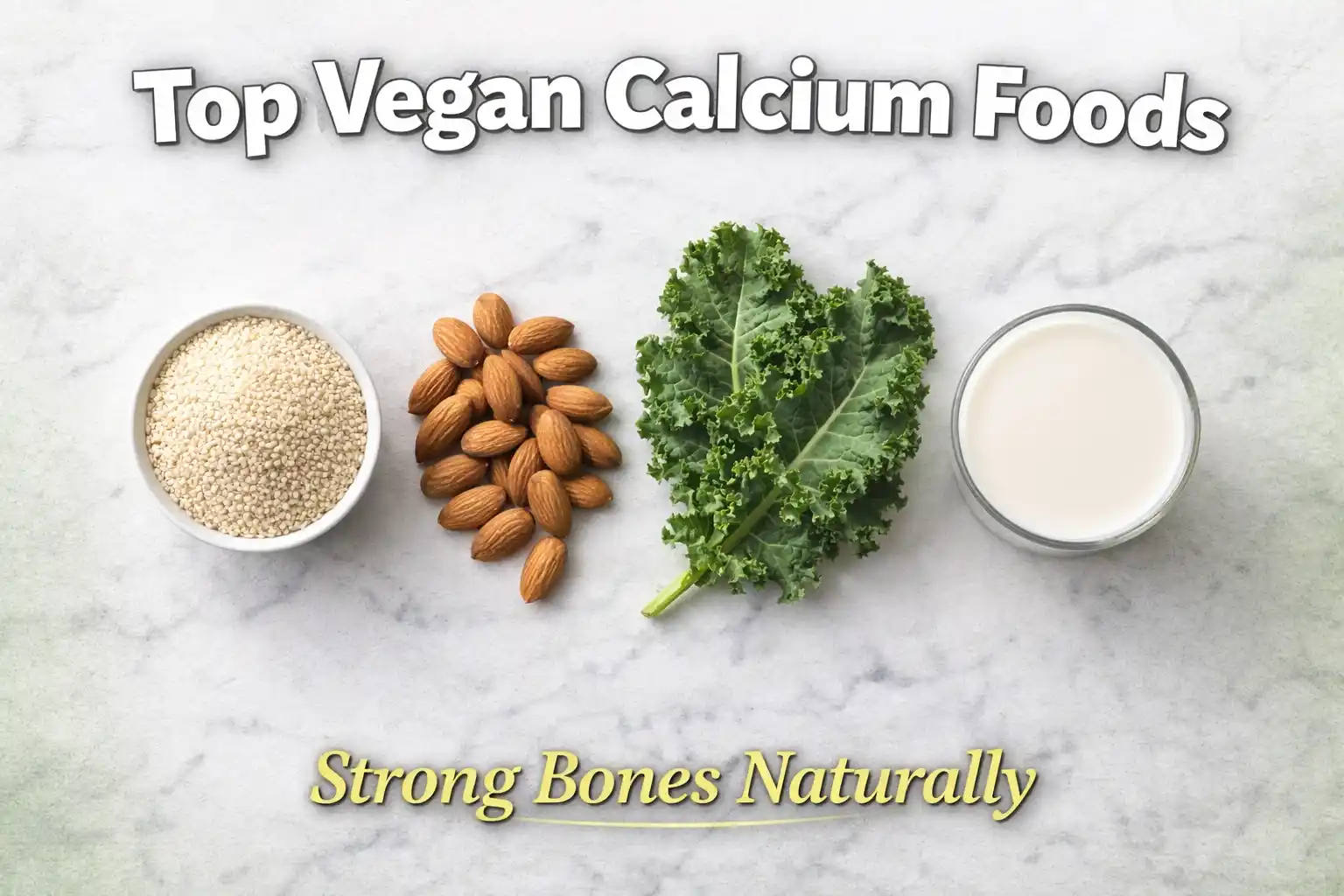
Calcium-Set Tofu (½ cup – 350–400 mg)
- One of the highest natural vegan calcium sources.
- Provides complete protein and iron.
- Works well in curries, stir-fries, and salads.
Kale (1 cup cooked – 180 mg)
- Low oxalate, so calcium absorbs easily.
- Rich in vitamin K, which supports bone formation.
- Easy to add to soups, dals, or sautéed dishes.
Bok Choy (1 cup cooked – 160 mg)
- Excellent for calcium absorption.
- Contains folate and vitamin C for immunity and cell repair.
- Great in stir-fries, broths, and mixed vegetables.
Chia Seeds (2 tbsp – 180 mg)
- High in omega-3 fats and fiber.
- Helps improve digestion and reduce inflammation.
- Add to smoothies and puddings, or sprinkle on breakfast bowls.
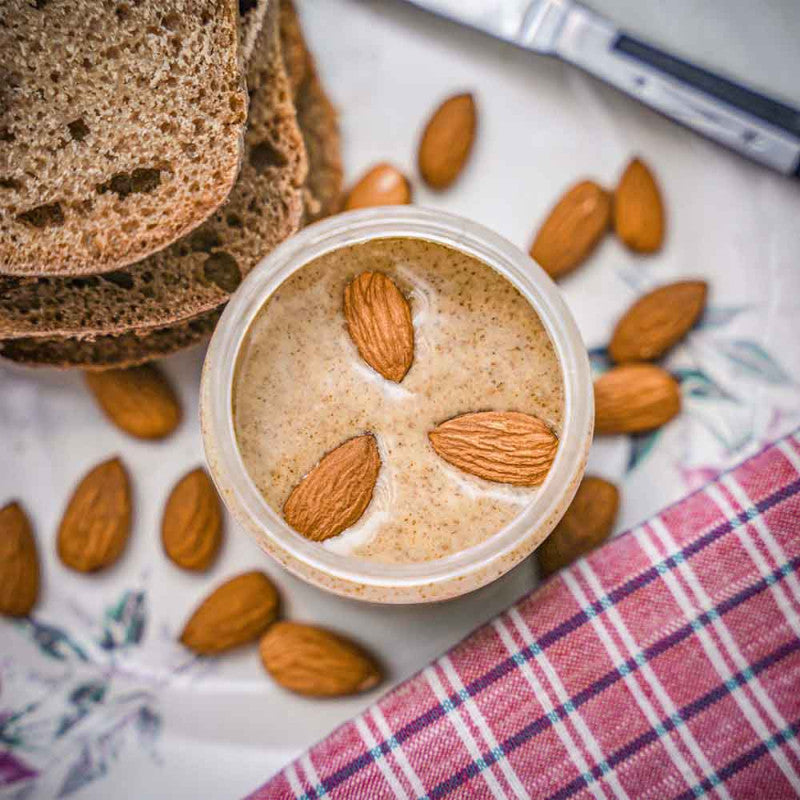
Almonds (¼ cup – 95 mg)
- Provide vitamin E and magnesium for nerve and muscle function.
- Easy snack or topping for oatmeal and salads.
White Beans (1 cup – 160 mg)
- Offer iron and potassium.
- Good for heart health and energy levels.
- Add to soups, salads, hummus, or grain bowls.
Tahini (2 tbsp – 130 mg)
- Smooth paste made from sesame seeds.
- Provides healthy fats and zinc for immunity.
- Ideal for sauces, dressings, and dips.
Dried Figs (5 pieces – 135 mg)
- Provide fiber for good digestion.
- Offer iron for energy and metabolism.
- Eat as a snack or add to oatmeal and desserts.
Wakame (1 cup – 120 mg)
- A mineral-rich seaweed high in iodine.
- Supports thyroid function and bone health.
- Great in soups, rice bowls, and salads.
These foods fit well into everyday meals—add chia to smoothies, toss kale into curries, or use tofu in stir-fries.
Fortified Calcium-Fortified Vegan Foods
These foods help you reach your daily calcium target even on busy days. Consistency is easy with fortified plant-based milk and vegan yogurt.
Table: Fortified Plant-Based Calcium Foods
Fortified Food | Average Calcium (per serving) | Pro Tip |
Fortified soy milk (1 cup) | 300–450 mg | Choose brands with added vitamin D |
Fortified oat or almond milk (1 cup) | 250–300 mg | Shake well before using |
Fortified orange juice (1 cup) | 300–350 mg | Look for low-sugar options |
Fortified breakfast cereal (1 serving) | 100–200 mg | Check for calcium carbonate |
Fortified vegan yogurt (½ cup) | 150–250 mg | Pair with berries for vitamin C |
Fortified Soy Milk (1 cup – 300–450 mg)
- Usually the highest-calcium plant milk.
- Added vitamin D improves calcium absorption.
- Ideal for tea, smoothies, or cereal.
Fortified Oat or Almond Milk (1 cup – 250–300 mg)
- Good for people who prefer lighter milks.
- Needs shaking because calcium settles at the bottom.
- Works well in baking, coffee, or porridge.
Fortified Orange Juice (1 cup – 300–350 mg)
- High calcium plus natural vitamin C.
- Picking low-sugar options helps maintain balanced calories.
- Refreshing way to boost breakfast nutrition.
Fortified Breakfast Cereal (1 serving – 100–200 mg)
- Easy morning option for steady calcium intake.
- Check for calcium carbonate in the ingredient list.
- Pair with fortified plant milk for a strong calcium combo.
Fortified Vegan Yogurt (½ cup – 150–250 mg)
- Good source of probiotics for gut health.
- Vitamin C from fruits improves absorption.
- Works as a snack, dessert, or breakfast base.
Quick Comparison Table of the Best Vegan Calcium Sources
Food | Category | Calcium | Absorption Rating |
Tofu | Whole food | 350–400 mg | High |
Fortified soy milk | Fortified | 300–450 mg | High |
Kale | Whole food | 180 mg | High |
Chia seeds | Whole food | 180 mg | Medium |
Almonds | Whole food | 95 mg | Medium |
Vegan yogurt | Fortified | 150–250 mg | High |
Tips to Improve Calcium Absorption on a Plant-Based Diet
To get the most out of your vegan plant-based calcium food sources, keep these steps in mind:
- Include Low-Oxalate Vegetables
Kale, bok choy, and broccoli offer a highly calcium-absorbing plant diet. - Add Vitamin D Daily
Vitamin D improves calcium absorption. Get sunlight or choose fortified milk.
- Space Out Your Calcium-Rich Meals
Your body absorbs calcium better in smaller amounts throughout the day. - Reduce Excess Caffeine and Sodium
Both increase calcium loss. - Boost Magnesium and Vitamin K Intake
Both support bone health and help calcium work more efficiently.
Common Myths About Calcium on a Vegan Diet
Myth 1 – You need dairy for strong bones.
Fact: You can meet calcium requirements through plant-based calcium foods such as tofu, kale, fortified soy milk, and chia seeds—without dairy.
Myth 2 – Spinach is the best vegan calcium source.
Fact: Spinach is high in oxalates that block calcium absorption. Opt for kale, bok choy, or collard greens instead.
Myth 3 – Vegans are always calcium-deficient.
Fact: Research shows that well-planned vegan diets meet or exceed calcium recommendations, provided fortified foods or supplements are used when necessary.
Myth 4 – All plant milks have calcium.
Fact: Not all do. Only fortified plant milks list calcium in their nutrition labels—always check before buying.
Common Mistakes About Vegan Calcium Sources
Mistake | Impact | Correction |
Relying on unfortified milks | Inadequate intake | Choose fortified brands |
Consuming too much salt or caffeine | Increased calcium loss | Limit to 1–2 cups of coffee/day |
Ignoring vitamin D intake | Poor absorption | Get 20–30 minutes of sunlight or supplement |
Eating all the calcium in one meal | Inefficient absorption | Distribute across meals |
Overeating spinach or beet greens | Blocks absorption | Swap for kale, tofu, bok choy |
Avoiding these pitfalls ensures steady calcium intake and better bone density over time.
FAQs on Vegan Calcium Sources
Final Thoughts: Build Strong Bones with Vegan Calcium Sources
Living vegan doesn’t mean sacrificing bone health. You can meet all your calcium needs on a plant-based diet by combining whole-food plant-based calcium sources with fortified vegan calcium foods. Focus on a variety of options like tofu, leafy greens, tahini, seeds, and fortified plant milk to ensure steady intake throughout the day. Pair your calcium with vitamin D and magnesium for optimal absorption, and avoid common mistakes like relying solely on spinach.
Make variety your rule. Mix calcium-rich vegan foods across meals and stay consistent, active, and informed. By doing so, you can confidently strengthen your bones naturally while enjoying a balanced plant-based diet.
For more guidance, recipes, and evidence-based tips on vegan bone health, calcium-fortified vegan foods, and other essential nutrients, explore VegGora, your companion for simple, healthy, and sustainable plant-based living.
Disclaimer:
This content is for educational purposes only and not medical advice. Always consult a healthcare professional or dietitian before making changes to your diet.