A plant-based diet rich in fiber reduces cravings, prolongs feelings of fullness, and gives you steady energy. Without tracking calories, clinical studies show that vegans lose 4–5 pounds in a matter of weeks.
Offers Environmental and Ethical Benefits
Following a plant-based foods list helps reduce your carbon footprint by up to 70%.
Benefits include:
- Lower greenhouse gas emissions
- Reduced water and land use
- Support for biodiversity and animal welfare
You feel better—and do better for the planet.
Essential Plant-Based Diet Food List Categories
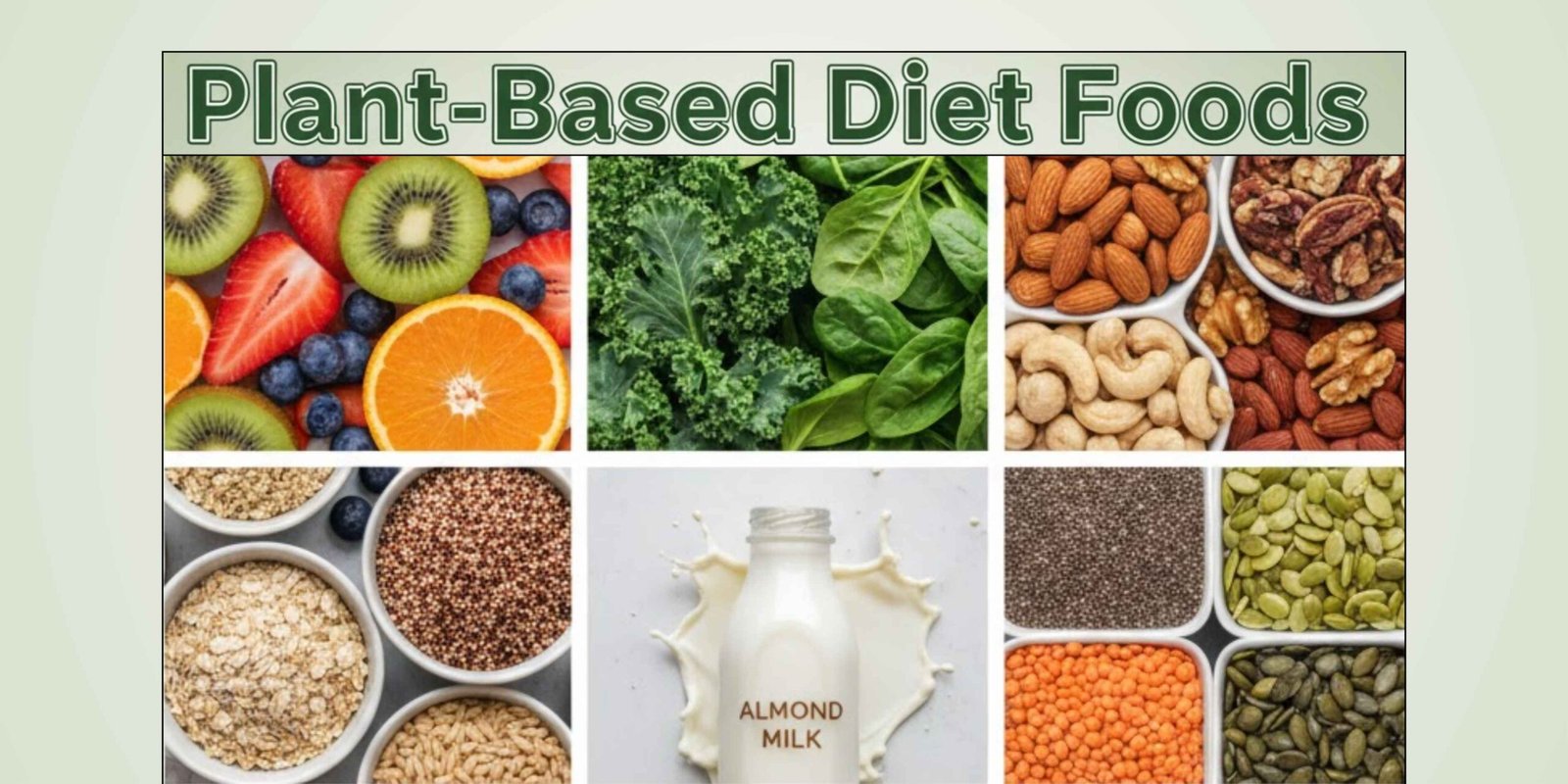
Here’s your foundational plant-based diet food list with key examples and benefits:
Category | Key Examples | Why Include in Vegan Food List |
Fruits | Berries, apples, bananas, citrus | Rich in antioxidants and vitamins |
Vegetables | Kale, broccoli, carrots, spinach | Provide fiber, minerals, and immune support |
Whole Grains | Quinoa, oats, brown rice, barley | Deliver B vitamins and sustained energy |
Legumes | Lentils, chickpeas, black beans | High-protein, iron-rich meat alternatives |
Nuts & Seeds | Almonds, chia, flaxseeds, walnuts | Contain healthy fats and omega-3s |
These categories create a balanced plant-based diet list that’s nutrient-dense and versatile.
Fruits
Packed with vitamins, antioxidants, and natural sugars, fruits like berries, apples, and bananas are key in a plant-based diet food list. They boost immunity, add sweetness to meals, and support heart health.
Vegetables
Nutrient-dense veggies like kale, broccoli, and carrots form the backbone of a vegan diet food list. Rich in fiber and minerals, they enhance digestion and reduce chronic disease risks.
Whole Grains
Quinoa, oats, and brown rice in a plant-based foods list provide complex carbs and B vitamins. They ensure sustained energy and support metabolic health for vegans.
Legumes
Lentils, chickpeas, and black beans are protein powerhouses in a vegan diet. Affordable and versatile, they deliver iron and folate for muscle and blood health.
Nuts & Seeds
Almonds, chia, and flaxseeds in a plant-based diet list offer healthy fats and omega-3s. They promote heart health and add crunch to vegan meals.
Nutrient Guide: Meeting Needs on a Vegan Diet Food List
Stay nourished by covering these essential nutrients from your plant-based foods list:
Nutrient | Daily Need | Top Plant-Based Diet Food Sources |
Protein | 0.8g/kg body weight | Lentils, tofu, quinoa, tempeh |
Iron | 18mg (women), 8mg (men) | Spinach, beans, fortified cereals |
Calcium | 1000mg | Kale, fortified almond milk, tofu |
Vitamin B12 | 2.4mcg | Nutritional yeast, supplements |
Omega-3s | 1.1–1.6g | Flaxseeds, chia seeds, walnuts |
Foods to Avoid in a Plant-Based Diet List
Avoid:
- Animal products: Meat, dairy, eggs, honey
- Highly processed vegan foods: Sugary plant milks, fake meats
- Refined carbs: White bread, sugary cereals, fried snacks
Sticking to a whole plant-based diet ensures you get the full benefits.
Busting Myths About Plant-Based Diet Food for Vegans
Myth 1: You’ll lack protein.
Fact: Legumes, quinoa, and tofu in your vegan diet food list provide complete proteins.
Myth 2: It’s expensive.
Fact: Bulk staples like beans, rice, and oats from your plant-based foods list are cost-effective.
Myth 3: It’s boring.
Fact: Global vegan recipes—from lentil curries to berry smoothies—make your vegan food list anything but dull.
Common Mistakes and How to Avoid Them
- Relying too much on processed foods
- Ignoring supplements like B12 and vitamin D
- Eating the same limited foods instead of rotating your plant-based diet list
Variety is key to a complete nutritional profile.











































Nice blog.