If you’ve ever told someone you’re vegan, there’s a good chance the very next sentence out of their mouth was: “But where do you get your protein?”
It’s a fair question, and also one of the most overblown myths in nutrition. Plant foods can absolutely deliver every gram of protein the human body needs, and in India specifically, we’ve been eating high-protein vegan meals for generations without calling them that. Dal, chana, rajma, soya chunks, this isn’t a new trend, it’s home food.
This guide breaks down 25 of the best vegan protein foods you can find in India, how much protein each one actually contains, and how to build them into meals that keep you full, strong, and well-nourished, whether your goal is general health, muscle gain, or simply eating better.
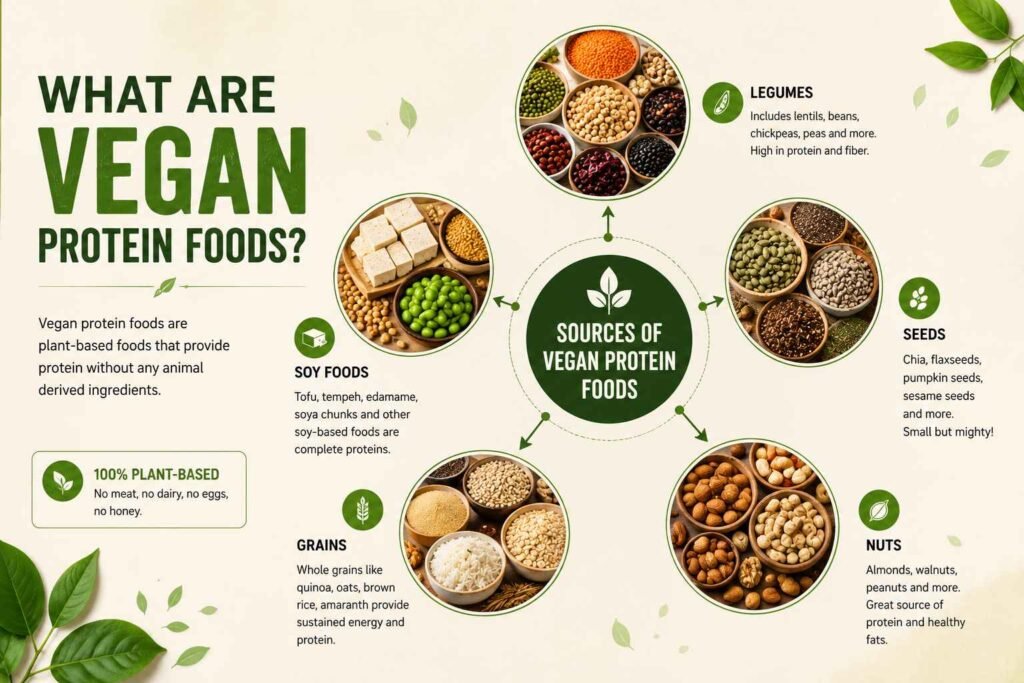
What Are Vegan Protein Foods?
Vegan protein foods are any protein sources that come entirely from plants — legumes, grains, seeds, nuts, and soy-based foods — with zero animal-derived ingredients. That means no dairy, no eggs, no honey, and obviously no meat or fish.
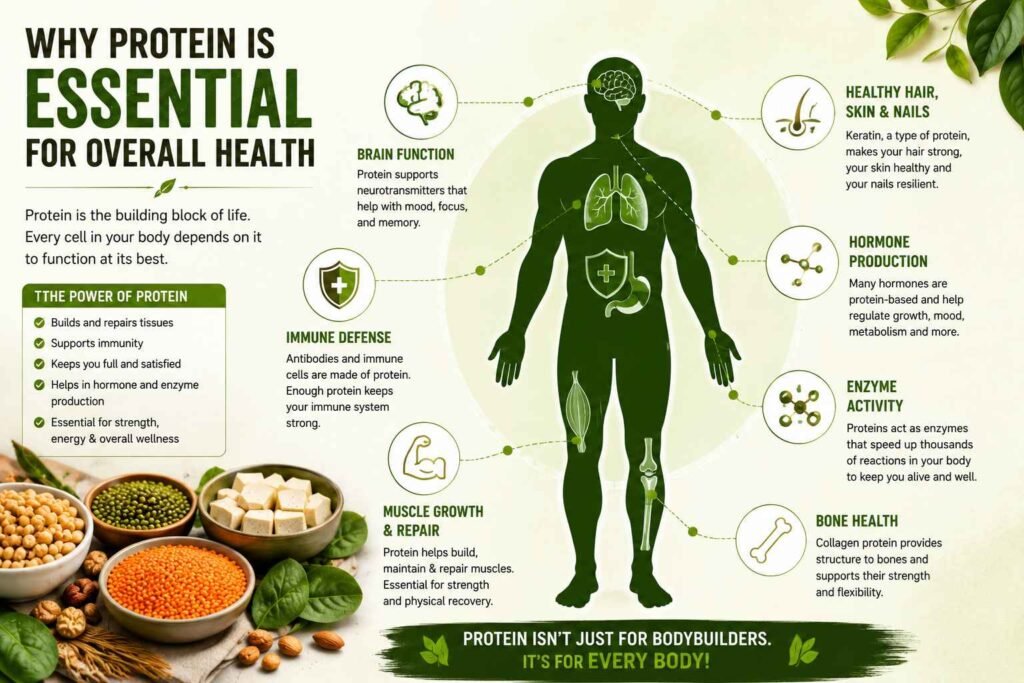
Why Protein Is Essential for Overall Health
Protein isn’t just for bodybuilders. Every cell in your body relies on protein to function. It’s the raw material for muscle repair, immune defense (antibodies are literally made of protein), hormone production, enzyme activity, and even the structural integrity of your skin and hair. Without enough of it, your body starts breaking down its own muscle tissue to meet its needs — which is the opposite of what anyone wants, whether you’re an athlete or just trying to age well.
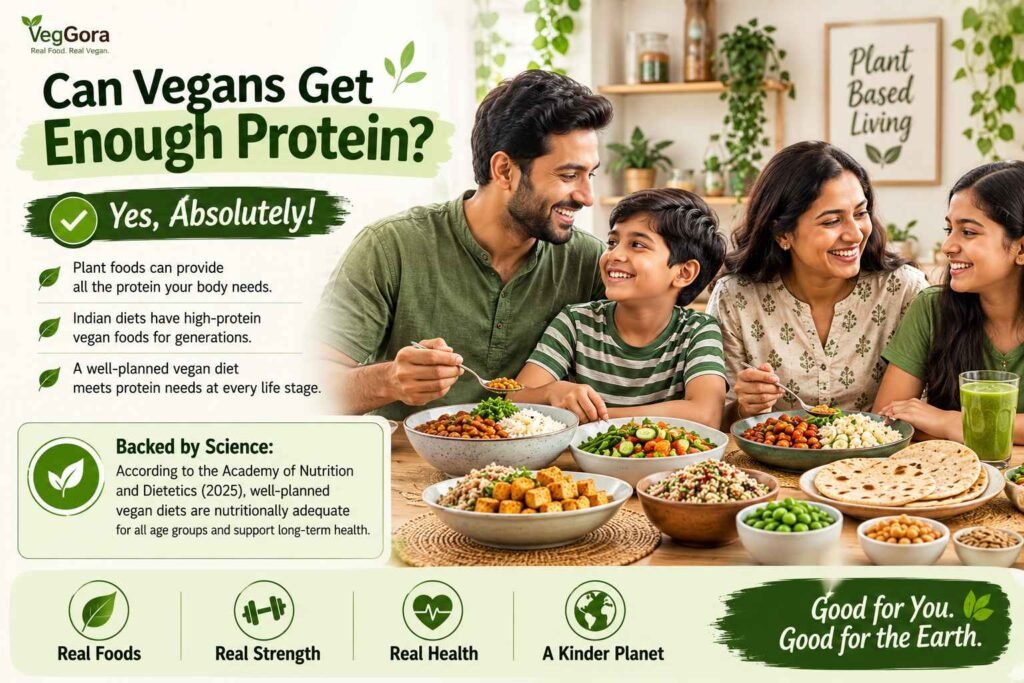
Can Vegans Get Enough Protein?
Yes. According to the Academy of Nutrition and Dietetics’ 2025 position paper, appropriately planned vegetarian and vegan dietary patterns can be nutritionally adequate for adults at every life stage, including pregnancy, lactation, and older age, and can offer long-term health benefits such as improving several health outcomes associated with cardiometabolic diseases. This isn’t a fringe opinion — it’s the official stance of one of the largest nutrition and dietetics organizations in the world, and it has been consistent across multiple revisions of the position paper since 2016.
The catch is the word “appropriately planned.” A vegan diet built entirely on white rice and potato fries won’t cut it. But a vegan diet that includes a reasonable mix of legumes, soy foods, grains, and seeds will meet, and often exceed, your daily protein needs without much effort.
How Much Protein Do You Need Per Day?
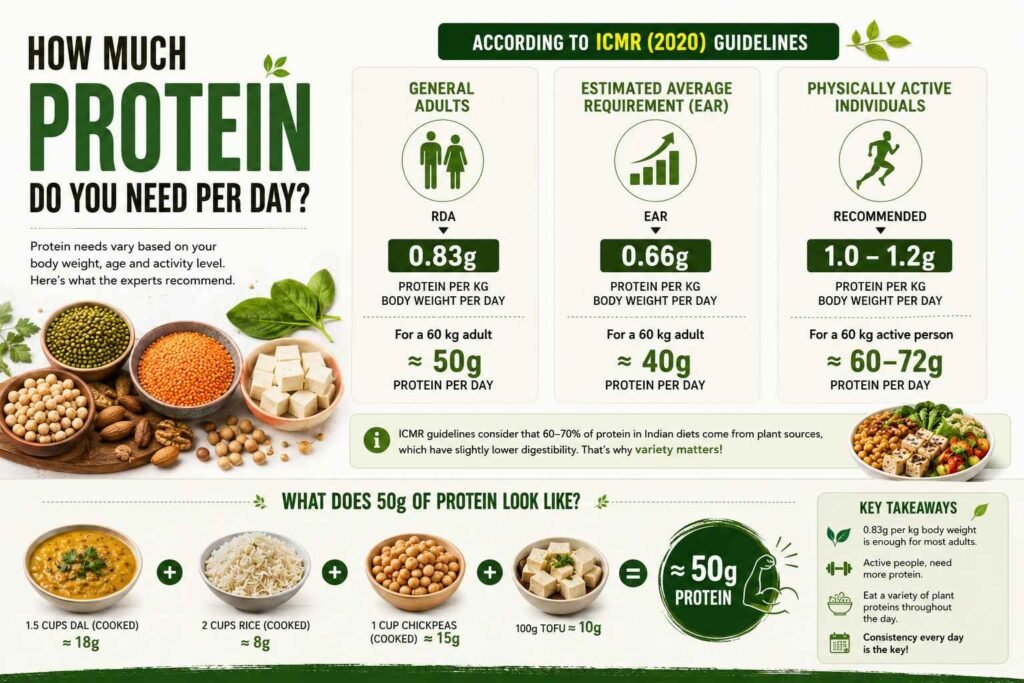
This is where Indian and international guidelines align closely. The Indian Council of Medical Research and National Institute of Nutrition’s 2020 guidelines set the Recommended Dietary Allowance for protein at 0.83 grams per kilogram of body weight per day, with an Estimated Average Requirement of 0.66 grams per kilogram per day, a downward revision from the earlier 1 gram per kilogram standard used in 2010.
In practical terms, a 60 kg adult needs approximately 50 grams of protein daily under this guideline. If you’re physically active or training regularly, that number climbs — active individuals may need 1.0 to 1.2 grams per kilogram of body weight per day. Athletes and people focused on muscle gain sometimes target even higher intakes, though the official RDA is designed to prevent deficiency in the general population rather than to optimize athletic performance.
One nuance worth knowing: ICMR’s guidelines account for the fact that Indian diets traditionally derive 60 to 70 percent of protein from plant sources like dal, legumes, and cereals, and plant proteins have somewhat lower digestibility compared to animal proteins. This is precisely why variety matters — eating different plant protein sources throughout the day, rather than relying on just one, helps close that gap naturally.
Complete vs Incomplete Protein Sources
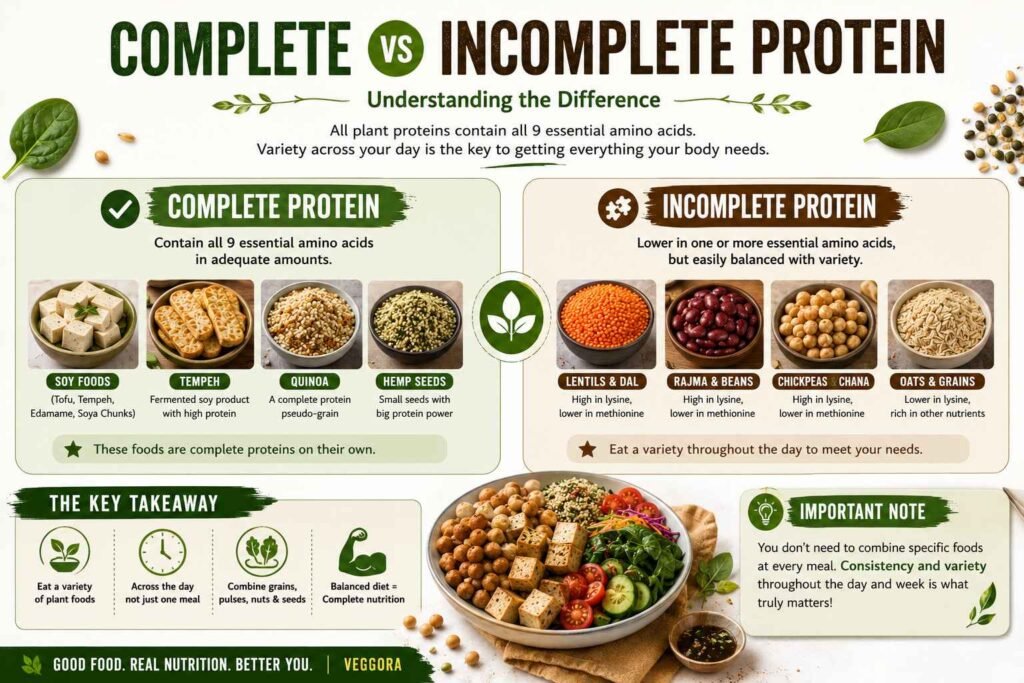
A “complete protein” contains all nine essential amino acids in proportions the body can use efficiently. For years, the popular belief was that vegans needed to carefully combine specific plant foods at every single meal to get complete proteins — think rice with dal. Newer research has moved past that strict requirement. All plant proteins contain all essential amino acids required for health, and the older idea that they must be combined at the same meal has been replaced by the understanding that what matters is the concept of a “limiting amino acid” across your overall diet, not each individual plate.
That said, some plant foods are naturally complete proteins on their own — soy (and everything made from it: tofu, tempeh, edamame, soya chunks), quinoa, amaranth, buckwheat, and hemp seeds all qualify. Others, like most lentils and beans, are slightly lower in one or two amino acids but make up for it easily when you eat a varied diet across the day, which is how most people naturally eat anyway.
Vegan Protein Foods at a Glance
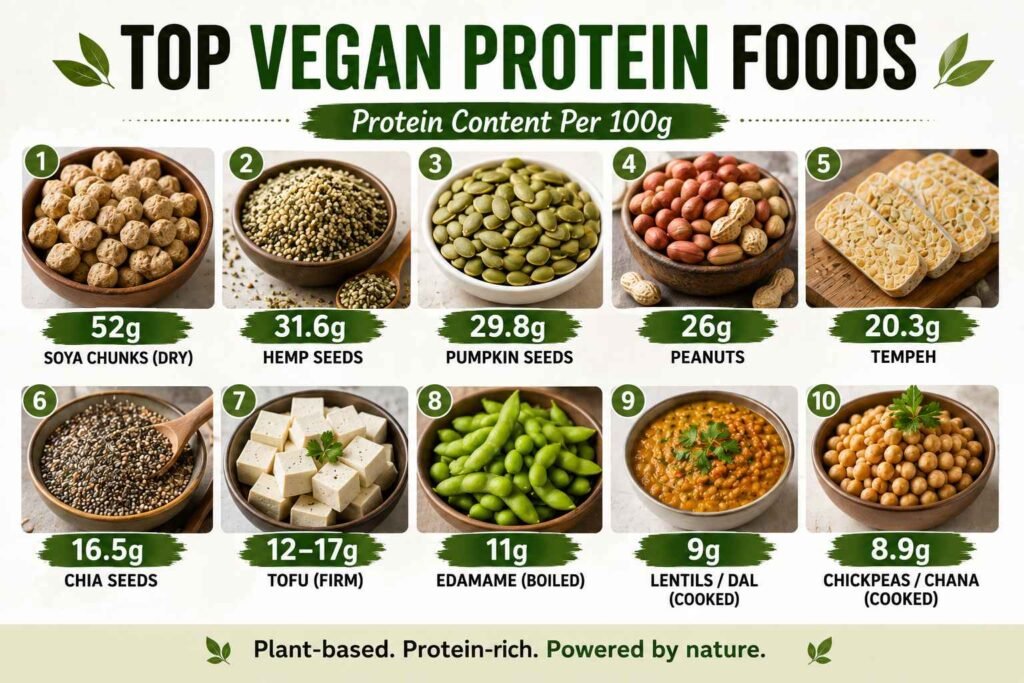
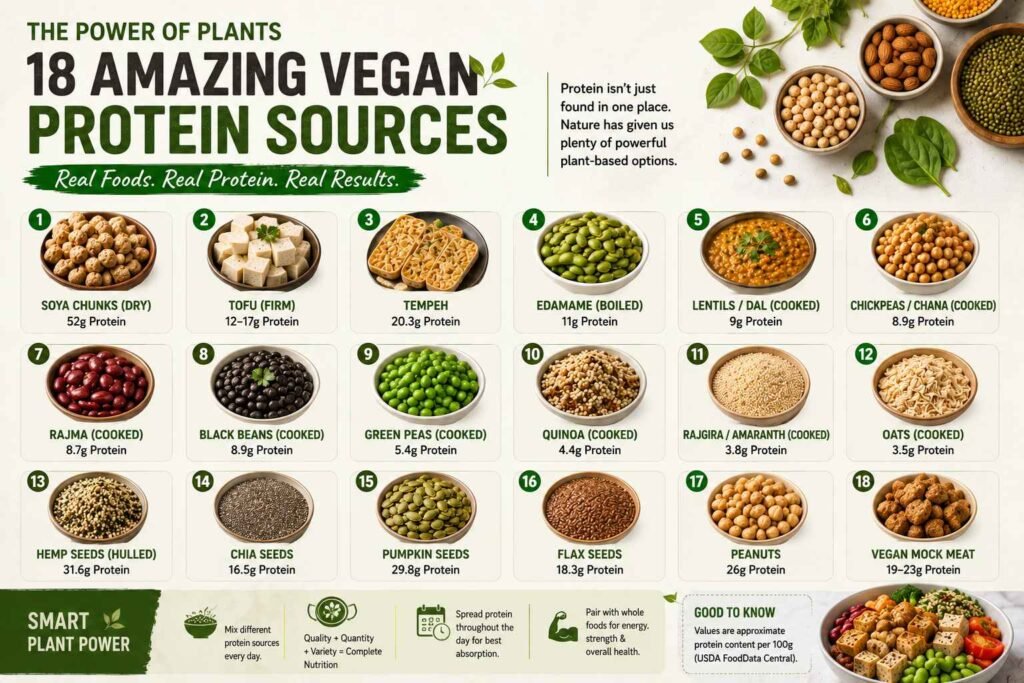
Before we go food by food, here’s a quick comparison table so you can see where everything stacks up. Values are per 100 grams, based on USDA FoodData Central and other verified nutrition databases, unless noted otherwise.
Food | Protein per 100g | Category |
Soya chunks (dry) | ~52 g | Soy product |
Peanuts | ~26 g | Legume |
Hemp seeds (hulled) | ~31.6 g | Seed |
Pumpkin seeds (roasted) | ~29.8 g | Seed |
Quinoa (cooked) | ~4.4 g | Pseudo-grain |
Tempeh | ~20.3 g | Soy product |
Chia seeds | ~16.5 g | Seed |
Tofu (firm) | ~12–17 g | Soy product |
Edamame (boiled) | ~11 g | Legume |
Lentils/Dal (cooked) | ~9 g | Legume |
Chickpeas/Chana (cooked) | ~8.9 g | Legume |
Kidney beans/Rajma (cooked) | ~8.7 g | Legume |
Black beans (cooked) | ~8.9 g | Legume |
Green peas (cooked) | ~5.4 g | Legume |
Flaxseeds | ~18 g | Seed |
Oats (dry) | ~13.2 g | Grain |
Amaranth (cooked) | ~3.8 g | Pseudo-grain |
Vegan mock meat | varies by product | Processed soy/legume |
This table is built for quick scanning — actual cooked weights and brand formulations will shift these numbers slightly, which we’ll get into below.
Highest Protein Vegan Foods per 100g
By raw protein density, dry soya chunks and hemp seeds lead the pack, both crossing 30g per 100g — though it’s worth remembering these are concentrated, dry-weight figures, not how much you’d realistically eat in one sitting.
Best Protein Sources for Muscle Gain
For muscle gain specifically, you want foods that combine a solid protein dose with enough total calories to support training. Soya chunks, tofu, tempeh, peanuts, and quinoa are particularly useful here because they pair protein with complex carbs or healthy fats rather than being protein in isolation.
Best Budget-Friendly Vegan Protein Foods
This is where Indian vegan eating has a real advantage. Lentils, chana, rajma, and peanuts are some of the most affordable protein sources in the world. Peanuts in particular are widely available and cost-effective, delivering protein at a fraction of the cost of many packaged protein products, making them one of the most practical everyday options for most Indian households.
Best Protein Foods for Daily Indian Meals
Dal, chana, rajma, soya chunks, peanuts, and curd-based preparations (for lacto-vegetarians transitioning toward vegan swaps) are already part of most Indian kitchens. The shift toward a higher-protein vegan diet in India isn’t about reinventing your meals — it’s about being more intentional with portions and frequency of the protein foods you likely already cook with.
18 Best Whole-Food Vegan Protein Foods
Soy Chunks
Dry soya chunks pack an exceptional amount of protein for their weight, with general nutrition data placing them in the range of roughly 50g of protein per 100g dry weight, dropping to a still-impressive amount once rehydrated and cooked. They’re inexpensive, shelf-stable, and absorb whatever spices or gravy you cook them in, which makes them an easy entry point for anyone new to plant-based protein.
Benefits: High protein-to-cost ratio, low fat, rich in iron.
How to use: Soak in warm water for 15–20 minutes, squeeze out excess water, then use exactly as you would use small pieces of meat — in curries, biryani, or stir-fries.
Indian meal example: Soya chunk curry with rice or roti, or soya keema with peas.
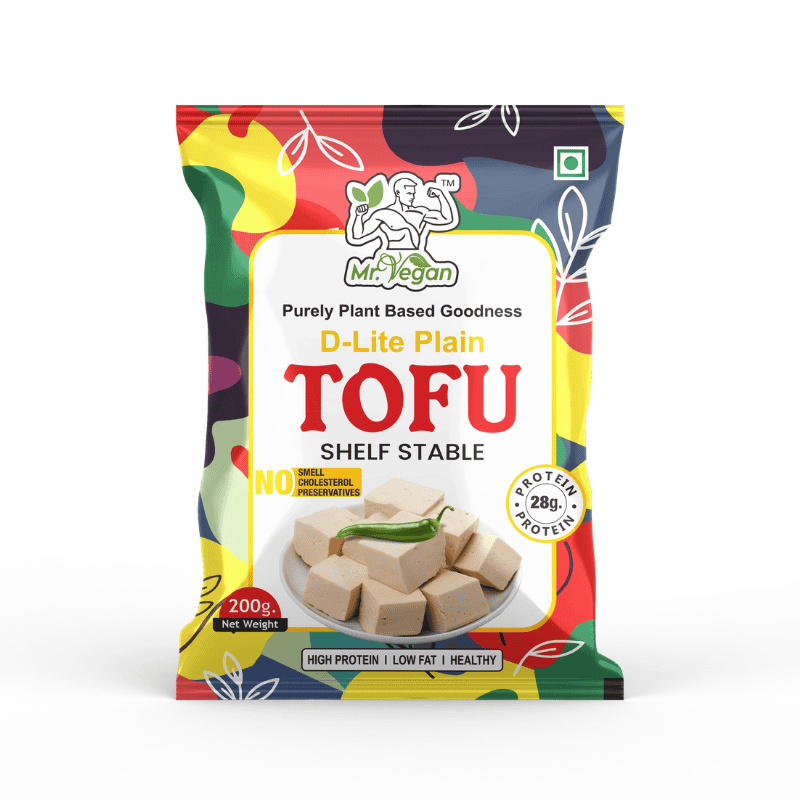
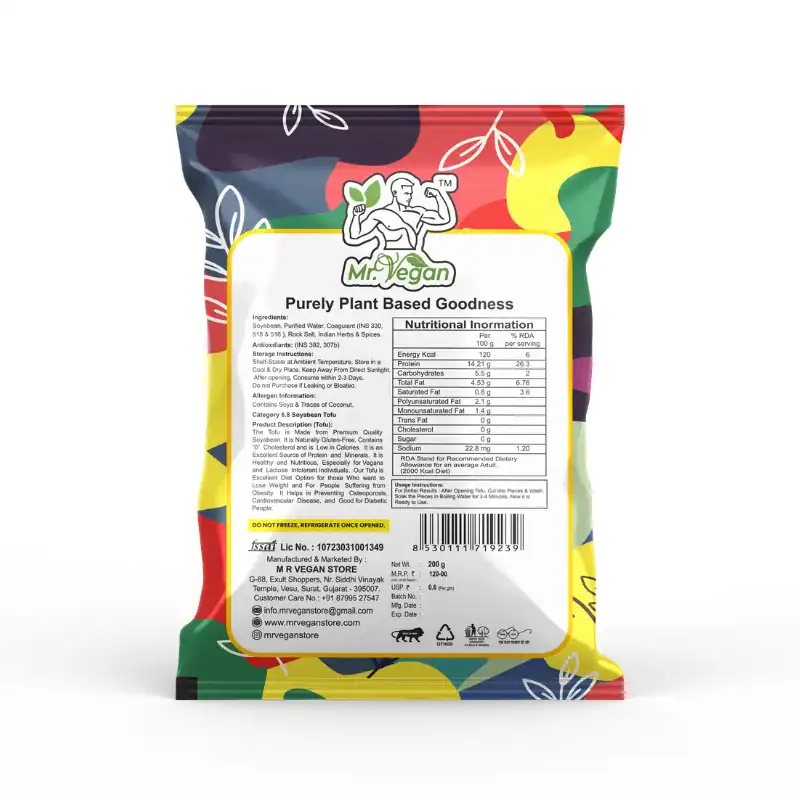
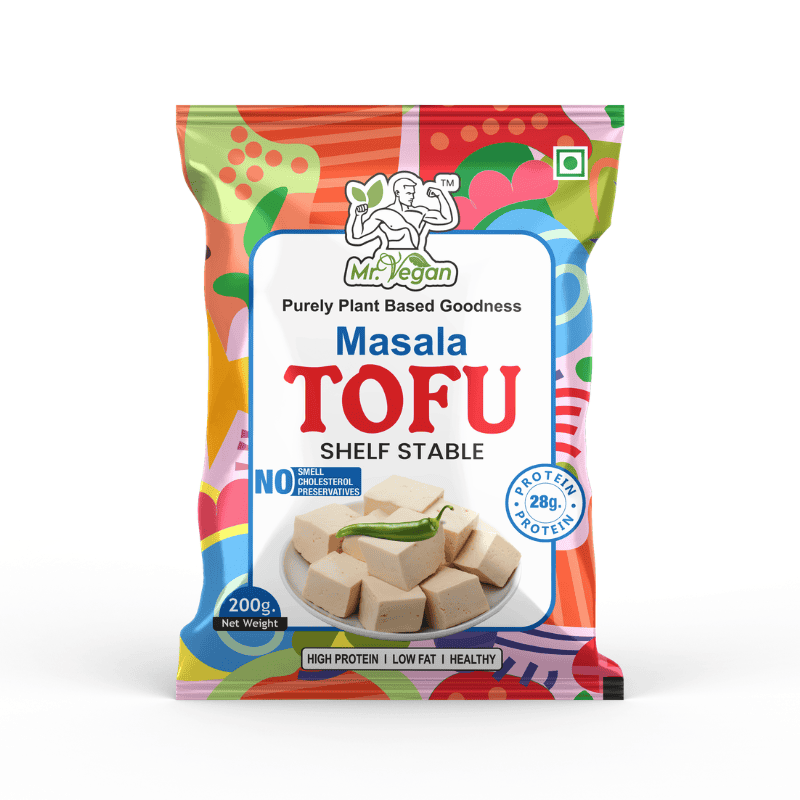
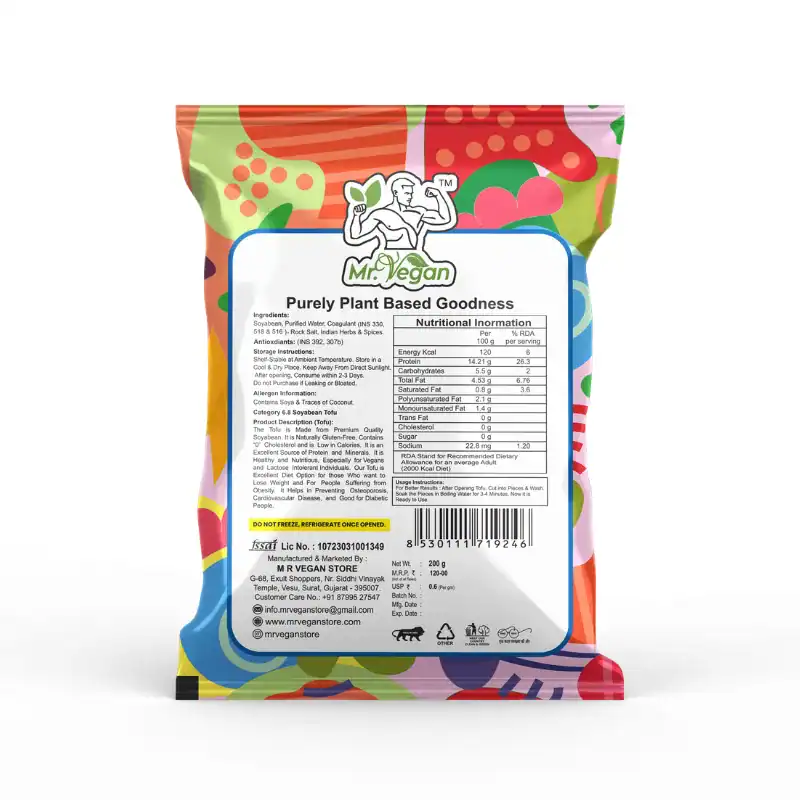
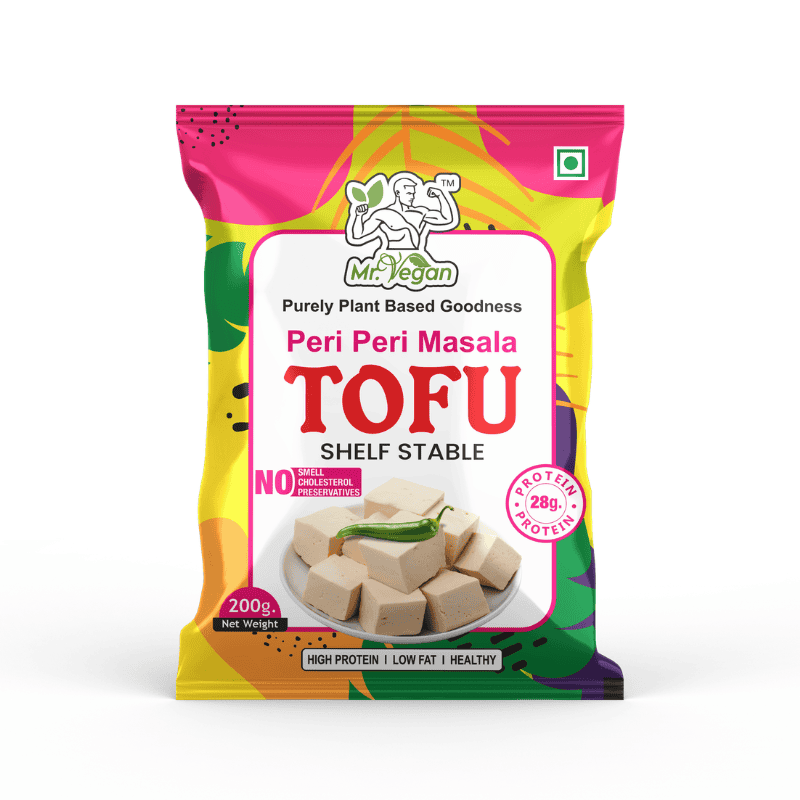
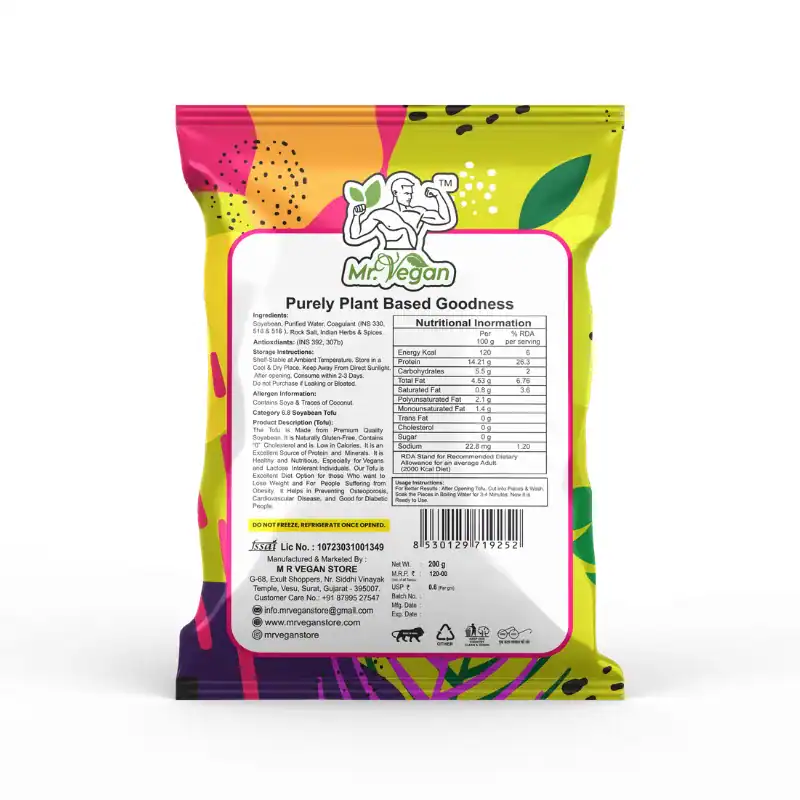
Tofu
Tofu’s protein content varies depending on firmness — firmer tofu has less water content and therefore a higher protein concentration per 100g than softer, silken varieties. Firm tofu generally contains more protein per 100g than silken tofu because it has less water content, so if protein density is your priority, reach for firm or extra-firm blocks.
Benefits: Complete protein, versatile texture, neutral flavor that takes on marinades well.
How to use: Press out excess water, then pan-fry, air-fry, or grill for the best texture — this step makes a noticeable difference compared to using it straight from the pack.
Indian meal example: Tofu bhurji (scrambled tofu) with onions, tomatoes, and Indian spices — a near-identical swap for paneer bhurji.
Tempeh
Tempeh is a fermented soybean product, and that fermentation is what sets it apart nutritionally. Per 100 grams, tempeh provides approximately 20.29g of protein, alongside the gut-health benefits that come from being a fermented food.
Benefits: High protein, fermentation supports gut bacteria, firmer bite than tofu.
How to use: Slice and pan-fry until golden, then add to curries or stir-fries in the last few minutes of cooking.
Indian meal example: Tempeh tikka masala, using it in place of paneer or chicken.
Edamame
These young soybeans are one of the few legumes that qualify as a true complete protein, owing to their soy origin. Boiled soybeans, or edamame, provide a particularly high share of the daily protein target compared to most other beans per serving.
Benefits: Complete protein, high fiber, naturally low in fat.
How to use: Steam or boil in the pod and sprinkle with chaat masala for an Indian-style snack, or shell and toss into salads.
Indian meal example: Edamame chaat with lemon, chili powder, and onions.
Lentils (Dal)
The everyday hero of Indian vegetarian and vegan cooking. Different dals — moong, masoor, urad, arhar/toor — land in a fairly similar range, generally delivering around 8–9g of protein per cooked serving.
Benefits: Affordable, fiber-rich, supports digestion, available in dozens of varieties.
How to use: Pressure-cook with turmeric and tempering (tadka) of cumin, garlic, and ghee-free oil.
Indian meal example: Classic dal tadka with rice or roti — arguably India’s most common high-protein vegan-friendly meal.
Chickpeas (Chana)
Cooked chickpeas deliver close to 9g of protein per 100g, making them a moderate but reliable vegan protein source that also brings fiber and slow-digesting carbohydrates to the table.
Benefits: Versatile, filling, good source of folate and iron.
How to use: Boil and toss into salads, blend into hummus, or simmer into a curry.
Indian meal example: Chana masala with rice, or a roasted chana snack for an evening protein boost.
Kidney Beans (Rajma)
A North Indian staple, rajma delivers roughly 8.7g of protein per 100g cooked, along with notable amounts of fiber, folate, and iron.
Benefits: High in fiber alongside protein, supports satiety, budget-friendly.
How to use: Soak overnight, pressure-cook until soft, then simmer in a tomato-onion gravy.
Indian meal example: Rajma chawal — kidney bean curry over rice, a north Indian comfort-food classic.
Black Beans
Less common in traditional Indian cooking but increasingly popular in fusion meals, black beans offer a protein profile comparable to other beans, in the same general range as kidney beans and chickpeas per 100g.
Benefits: Rich in antioxidants, high fiber, complements Mexican-Indian fusion dishes well.
How to use: Use in tacos, burrito bowls, or as a substitute in any rajma-style preparation.
Indian meal example: Black bean and quinoa bowl with a tadka of cumin and garlic.
Green Peas
Often overlooked as a protein source because they’re treated as a vegetable, green peas still contribute meaningfully to your daily total — particularly when eaten in volume, as they often are in Indian cooking.
Benefits: Naturally sweet, easy to add to almost any dish, good source of vitamin K.
How to use: Add to pulao, curries, or sabzis in generous quantities rather than as a garnish.
Indian meal example: Matar paneer (or matar tofu, for a fully vegan version) with rice.
Quinoa
One of the few grain-like foods that’s a genuinely complete protein. Quinoa, amaranth, and buckwheat are all complete proteins, which is uncommon for grain-like foods, making quinoa a particularly useful swap for rice when you want to nudge your protein intake upward without changing your meal structure.
Benefits: Complete protein, gluten-free, and cooks similarly to rice.
How to use: Rinse thoroughly before cooking to remove the natural bitter coating (saponins), then use as a 1:1 substitute for rice.
Indian meal example: Quinoa upma or quinoa pulao with vegetables.
Amaranth (Rajgira)
A traditional Indian grain often associated with fasting foods, amaranth is technically a pseudo-grain and, like quinoa, qualifies as a complete protein source.
Benefits: Complete protein, traditional in Indian cuisine, naturally gluten-free.
How to use: Pop it like popcorn for a snack, or cook it into a porridge.
Indian meal example: Rajgira ladoo or rajgira porridge with jaggery and nuts.
Oats
Oats aren’t typically thought of as a protein food, but dry oats provide a meaningful contribution — particularly useful at breakfast, where many people otherwise default to low-protein options.
Benefits: High in soluble fiber, supports heart health, extremely versatile.
How to use: Cook into a savory upma-style oats dish or a sweet porridge, and boost the protein further by stirring in nut butter or seeds.
Indian meal example: Masala oats with vegetables, finished with a spoon of peanut for extra protein and crunch.
Hemp Seeds
Among seeds, hemp stands out for being a complete protein, delivering 31.56g of protein per 100g along with a notably full amino acid profile.
Benefits: Complete protein, rich in omega-3 fats, easy to add without cooking.
How to use: Sprinkle over yogurt, smoothies, salads, or oats — no preparation needed.
Indian meal example: Hemp seeds stirred into a fruit and curd bowl, or sprinkled over poha.
Chia Seeds
Chia seeds provide 16.5g of protein per 100g, along with an exceptionally high fiber content that makes them a favorite for digestive health and sustained energy.
Benefits: High fiber, absorbs liquid to form a gel texture, rich in omega-3s.
How to use: Soak in water, milk, or juice for 15–20 minutes to make a pudding, or add dry to batters and doughs.
Indian meal example: Chia seed pudding with mango and a touch of jaggery.
Pumpkin Seeds
Roasted pumpkin seeds (pepitas) provide 29.84g of protein per 100g, making them one of the more protein-dense seeds available, alongside a strong mineral profile in zinc, magnesium, and iron.
Benefits: High protein density, rich in zinc and magnesium, naturally crunchy snack.
How to use: Roast lightly with salt and spices for a snack, or add to trail mixes and salads.
Indian meal example: Roasted pumpkin seed and peanut chikki (jaggery brittle).
Flax Seeds
Ground flaxseed provides a smaller protein contribution per gram than hemp or chia, but it’s still useful — and more importantly, it works best as a supporting ingredient rather than a standalone protein source. Flaxseeds are not the highest-protein seed by practical serving size, but they add fiber, healthy fats, texture, and a modest protein boost, working best as a supporting ingredient in meals that already include a stronger protein source.
Benefits: Excellent source of omega-3 ALA, supports digestive regularity, useful egg substitute in baking.
How to use: Grind fresh for better absorption, and mix into smoothies, yogurt, or batters. One tablespoon of ground flax mixed with three tablespoons of water makes a “flax egg” for baking.
Indian meal example: Flaxseed chutney powder (a South Indian staple) sprinkled over rice or idli.
Peanuts
Peanuts are arguably the most cost-effective high-protein food available in India. They are the most widely available and affordable source of protein, delivering around 26g of protein per 100g, at a cost as low as roughly ₹80–100 per kilogram — a price point that’s hard to beat for the protein delivered.
Benefits: Extremely affordable, calorie-dense for weight gain goals, rich in healthy fats.
How to use: Roast and eat as a snack, grind into peanut chutney, or stir into curries for texture and protein.
Indian meal example: Peanut chutney with idli or dosa, or a roasted peanut and jaggery chikki.
Vegan Mock Meat
Plant-based mock meats — made from soy, pea protein, or wheat gluten (seitan) — have become increasingly available in India, designed to mimic the texture and protein content of meat. Protein content varies significantly by brand and product, so always check the label, but most are formulated to deliver a protein punch comparable to or higher than the meat they’re replacing.
Benefits: Familiar texture for those transitioning from meat, convenient, often fortified.
How to use: Cook exactly as you would the meat equivalent — in curries, kebabs, or stir-fries.
Indian meal example: Mock meat seekh kebabs or a soy-based “chicken” curry.
Explore VegGora’s full range of plant-based mock meat products if you’re looking to add convenient, protein-rich options to your weekly meal rotation.
Best Vegan Protein Supplements
Whole foods should form the foundation of your protein intake, but supplements can help close gaps — particularly for people with higher training demands or smaller appetites.
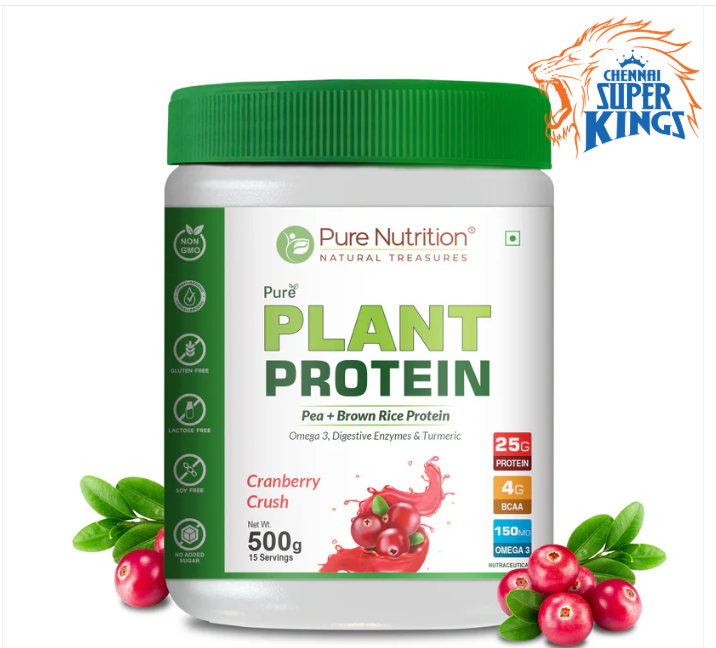
Pea Protein Powder
Derived from yellow split peas, pea protein is one of the most popular vegan protein powder bases, valued for being naturally hypoallergenic and easy to digest for most people.
Soy Protein Isolate
Soy protein isolate is notable for its near-complete protein efficiency — at 88.3g of protein per 100g with a PDCAAS score of 1.00, it delivers nearly its full stated protein content as usable amino acids, putting it on par with many animal-based proteins in terms of quality.
Brown Rice Protein
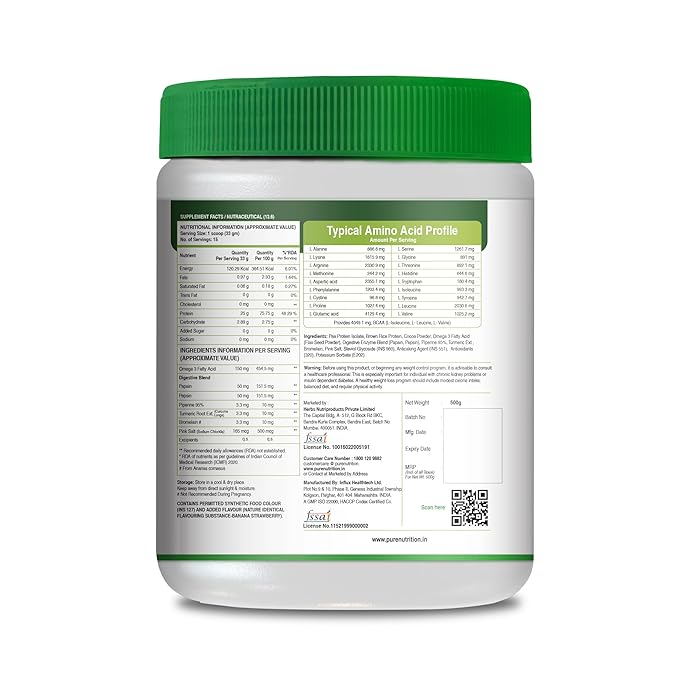
Brown rice protein is often blended with pea protein, since the two complement each other’s amino acid profiles — rice protein is lower in lysine, which pea protein supplies, creating a more complete combination.
Plant-Based Protein Blends
Many commercial vegan protein powders combine two or more sources (commonly pea, rice, and sometimes hemp or soy) specifically to balance out individual amino acid gaps and deliver a more complete profile in a single scoop.
Vegan Protein Shakes
Vegan Protein Foods Ranked by Protein Content
Foods With More Than 20g Protein (per 100g)
Soya chunks, hemp seeds, pumpkin seeds, peanuts, tempeh, and soy protein isolate all fall into this high-density category.
Foods With 10–20g Protein (per 100g)
Tofu, chia seeds, flaxseeds, edamame, and oats sit in this mid-range bracket — still strong contributors, especially when eaten in generous portions.
Foods With Less Than 10g Protein (per 100g)
Most cooked legumes — lentils, chickpeas, rajma, black beans — and cooked grains like quinoa and amaranth fall here. Don’t let the lower per-100g number fool you, though: these are typically eaten in much larger portions (a full bowl of dal, not 100g), so their real-world contribution to your daily total is often just as significant.
How to Build a High-Protein Vegan Diet
High-Protein Vegan Breakfast
Start the day with options like masala oats topped with seeds, a tofu bhurji with multigrain toast, or a smoothie bowl blended with hemp seeds and nut butter. Breakfast is the meal most people under-eat protein at, so it’s worth being deliberate here.
For more ideas, see our guide to high-protein vegan breakfast recipes.
High-Protein Vegan Lunch
Lunch is where dal, rajma, or chana naturally fit in alongside rice or roti. Adding a side of roasted peanuts or a small bowl of curd alternative rounds it out further.
High-Protein Vegan Dinner
Keep dinner balanced with a legume or soy-based main (tofu, tempeh, or mock meat) paired with a whole grain and vegetables, rather than relying on bread or rice alone.
High-Protein Vegan Snacks
Roasted chana, peanut chikki, edamame chaat, or a handful of pumpkin and hemp seeds all make excellent between-meal options that keep protein intake steady throughout the day rather than concentrated in one or two meals.
Vegan Protein Foods for Muscle Gain
Best Protein Sources for Strength Training
For building muscle, prioritize foods that combine a strong protein dose with sufficient calories: soya chunks, tofu, tempeh, peanuts, and quinoa are reliable staples. Spreading protein intake across three to four meals a day, rather than loading it all into one, tends to support muscle protein synthesis more effectively than a single large dose.
Foods to Eat Before Workouts
A light, easily digestible source like a banana with peanut butter, or a small bowl of oats, can provide steady energy without weighing you down before training.
Foods to Eat After Workouts
Post-workout, the priority shifts to faster-digesting protein combined with carbohydrates to support recovery — a tofu and quinoa bowl, a protein shake, or a soya chunk curry with rice all work well here.
Sample High-Protein Vegan Meal Plan
- Breakfast: Masala oats with chia seeds and a handful of peanuts
- Mid-morning snack: Roasted chana
- Lunch: Rajma chawal with a side salad
- Evening snack: Edamame chaat or pumpkin seed chikki
- Dinner: Tofu bhurji with multigrain roti and sautéed greens
Common Protein Mistakes Vegans Make
Not Eating Enough Calories
Protein needs are closely tied to overall calorie intake. If you’re not eating enough food overall, your body may use protein for energy instead of muscle repair, undermining your goals even if your protein numbers technically look fine on paper.
Ignoring Breakfast Protein
Many traditional Indian breakfasts — poha, plain toast, idli with chutney — are relatively low in protein. It’s an easy gap to fix by adding seeds, nut butter, or a side of tofu or sprouts.
Relying on One Protein Source
Eating chana every single day and nothing else limits the variety of amino acids and micronutrients you’re getting. Rotating between legumes, soy foods, grains, and seeds across the week is a simple way to cover more nutritional ground.
Avoiding Soy Without Reason
Soy has been the subject of persistent myths, but it remains one of the most well-researched plant proteins available, and major dietetics bodies continue to recommend it as a high-quality protein source for vegans and vegetarians. Unless you have a specific medical reason to avoid it, there’s no strong evidence-based justification for cutting it out.
Depending Only on Protein Powder
Protein powder is a supplement, not a foundation. Whole foods bring fiber, micronutrients, and satiety that powders generally don’t replicate, so they work best as an addition to a varied diet rather than a replacement for it.
Do You Need Vegan Protein Powder?
When Whole Foods Are Enough
If you’re eating a varied diet with regular servings of legumes, soy foods, and seeds, most people can meet their protein targets through food alone — particularly at the standard RDA level of 0.83g per kilogram of body weight.
When Supplements Make Sense
Supplements become more useful for people with higher protein targets (such as those in intensive strength training), smaller appetites, very busy schedules, or specific medical/dietary constraints that make hitting protein goals through food alone difficult.
How to Choose a Vegan Protein Powder
Look for a blended formula (such as pea and rice protein together) rather than a single source, since blends tend to offer a more complete amino acid profile. Check for minimal added sugar and avoid products that rely heavily on artificial sweeteners or fillers.
See VegGora’s Beverages & Superfoods category for a curated selection of vegan protein powders.
Is Whey Protein Vegan?
No — whey is a byproduct of dairy milk production and is not vegan under any circumstances, regardless of how it’s processed or marketed.
Read our full breakdown: Is Whey Protein Vegan?
Vegan Protein Foods vs Vegetarian Protein Foods
Key Differences
Vegetarian protein foods can include dairy and eggs alongside plant sources, while vegan protein foods exclude all animal-derived ingredients entirely. This means vegetarians have access to paneer, curd, and eggs as protein sources, while vegans rely entirely on legumes, soy, grains, seeds, and fortified plant-based products.
Which Is Better for Health?
Both can be nutritionally adequate when well planned. The Academy of Nutrition and Dietetics’ position applies to both vegetarian and vegan patterns equally — the deciding factor is the quality and variety of food choices within either approach, not the category itself.
Which Is Better for Sustainability?
Plant-based proteins generally require fewer resources to produce than animal-based proteins, including dairy, which is one of the reasons vegan diets are often associated with a smaller environmental footprint compared to both omnivorous and vegetarian diets that include significant dairy consumption.
Frequently Asked Questions