Introduction: Why understanding “Vegan and Vegetarian” matters
In the recent years, “vegan” and “vegetarian” have evolved from a diet term to a moral beacon, an environmental objective, a health selection. And still, too many individuals confuse them or have no idea which path is correct for them. In this book, we have all you need to know about vegan and vegetarian existence, including defining them, how it’s good and how it’s bad, and how to make the decision that which path is correct for you — in the context of plant-based foods, vegan foods, vegetarian foods, and the thing that distinguishes it so very, very differently.
What is a Vegetarian?
Vegetarian is an individual who does not eat meat, poultry, or seafood although they may eat some of the by-products from animals such as milk, eggs, or honey based on the type.
Subtypes of vegetarians
Since “vegetarian” could have a number of connotations, the most prevalent among which that it encompasses are:
Type | What’s excluded | What’s included |
Lacto-ovo vegetarian | Meat, poultry, fish | Dairy, eggs, plant foods (most common) |
Lacto vegetarian | Meat, poultry, fish, eggs | Dairy, plant foods |
Ovo vegetarian | Meat, poultry, fish, dairy | Eggs, plant foods |
Pesco-vegetarian / pescatarian (sometimes grouped) | Meat, poultry | Fish, seafood, dairy, eggs (not strictly vegetarian) |
Flexitarian / semi-vegetarian | Occasional meat | Mostly plant foods, sometimes meat/fish |
In Western societies, if you state “I’m vegetarian,” it will generally be self-evident that you are lacto-ovo vegetarian. In some other cultures (e.g., in some areas of India), “vegetarian” could imply no meat/fish ever, and eggs may or may not count as vegetarian.
Vegetarian diets comprise primarily fruits, veggies, legumes, grains, nuts, seeds, milk and all dairy foods, eggs, and plant-based foods that substitute meat (such as tofu, tempeh).
What is a Vegan?
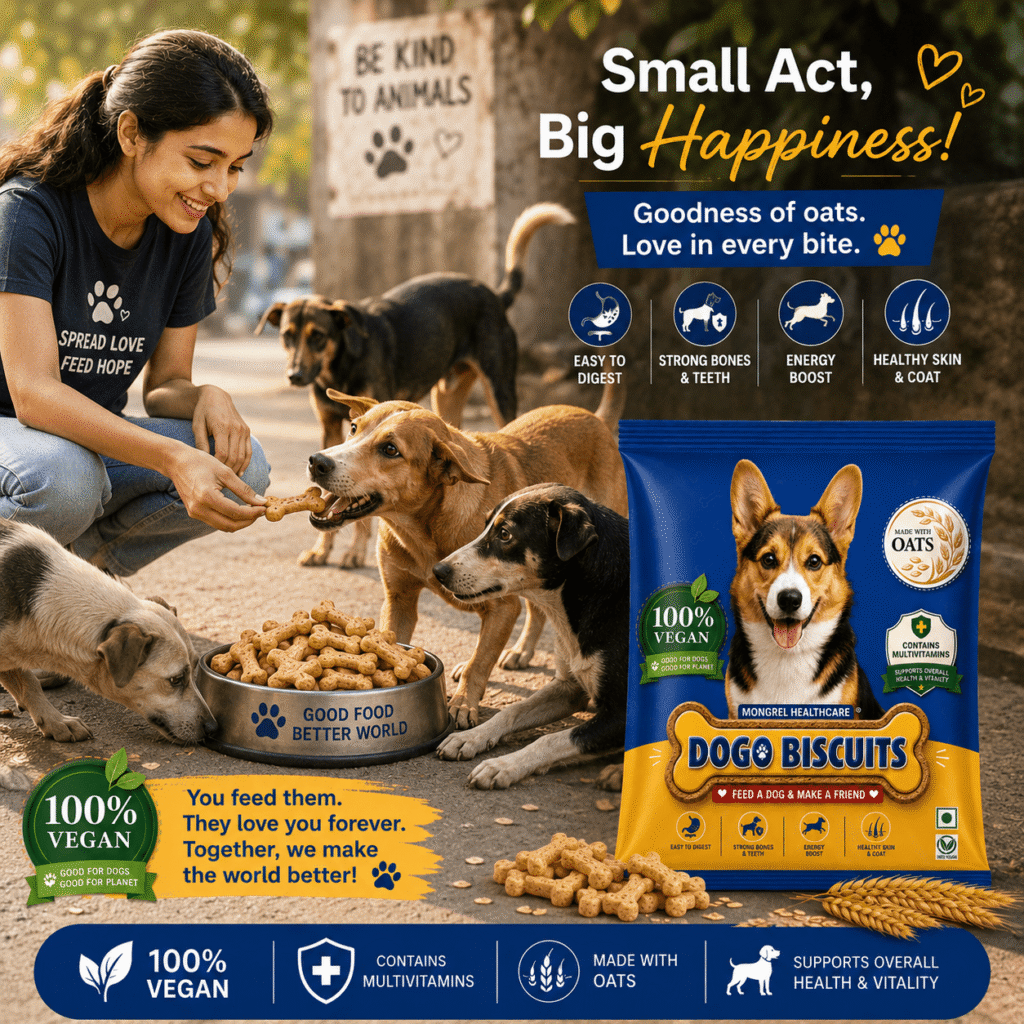
One who holds an even more radical view: no meat and no animal byproducts in diet and in most instances in life in general.
Vegan Society states veganism to mean “a way of life which seeks to exclude, to the greatest extent possible and practicable, all forms of exploitation of, and cruelty to, animals for food, clothing or any other purpose.”
Veganism went beyond the plate
Veganism overflows into life in a manner in which it does not with vegetarianism:
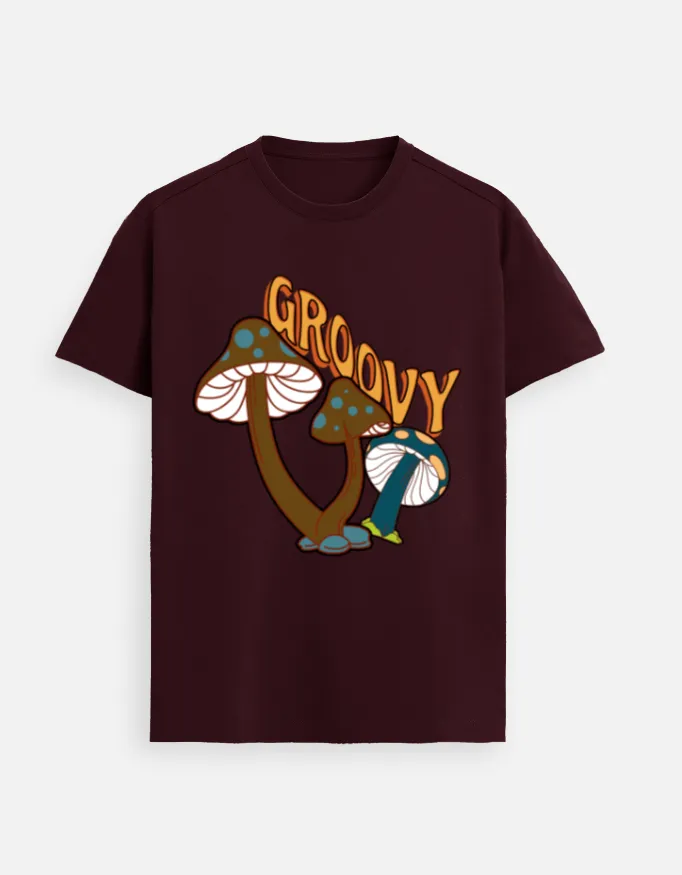
- Product source rejection such as in clothing and accessories made of leather, wool, silk, fur, or down.
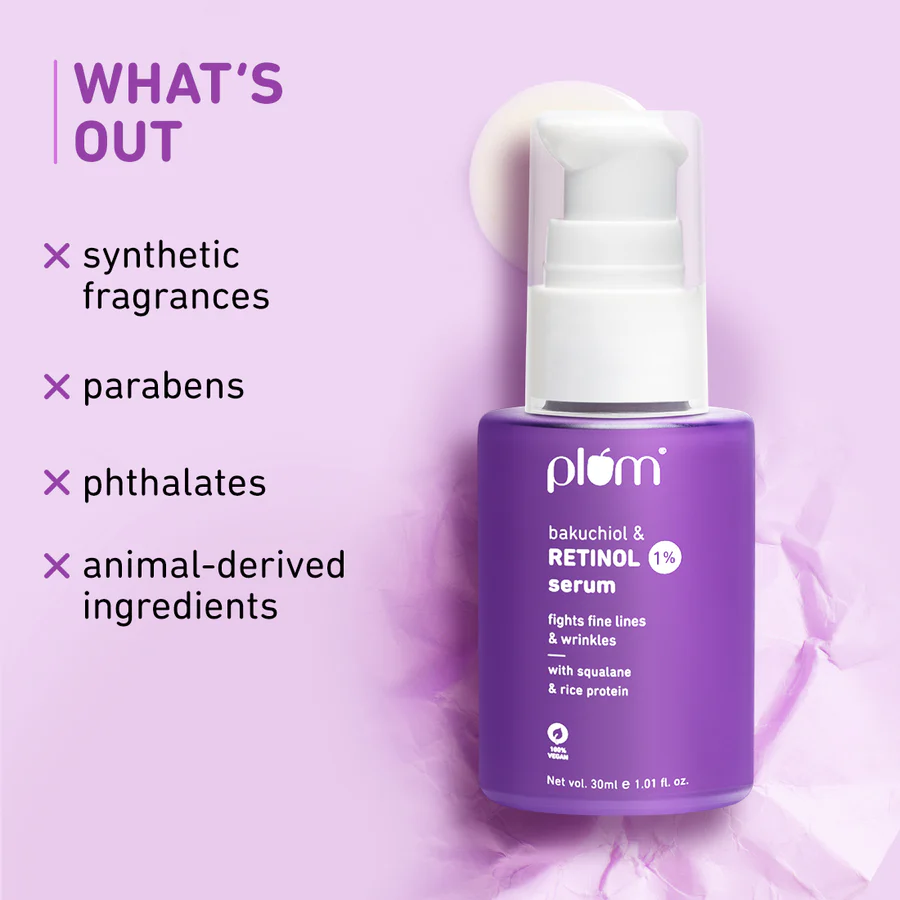
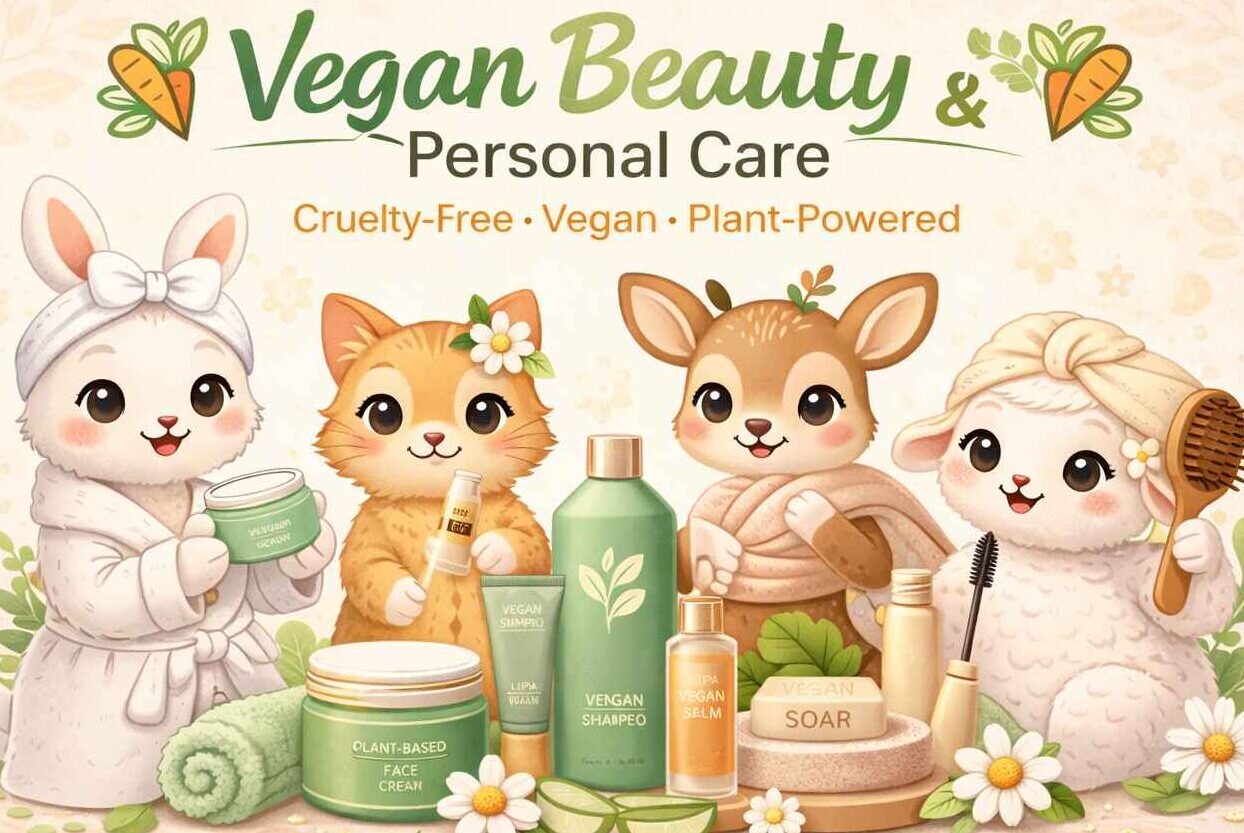
- Non-animal tested cosmetics, personal care, and cleaning.
- Wearing plant-based alternatives in clothing, home decor, and accessories.
- Avoiding products with gelatin, beeswax, some adhesives, some coloring.
From a dietary perspective, a vegan diet excludes:
- Meat, poultry, fish, seafood
- Dairy (milk, cheese, yogurt, butter)
- Eggs
- Honey
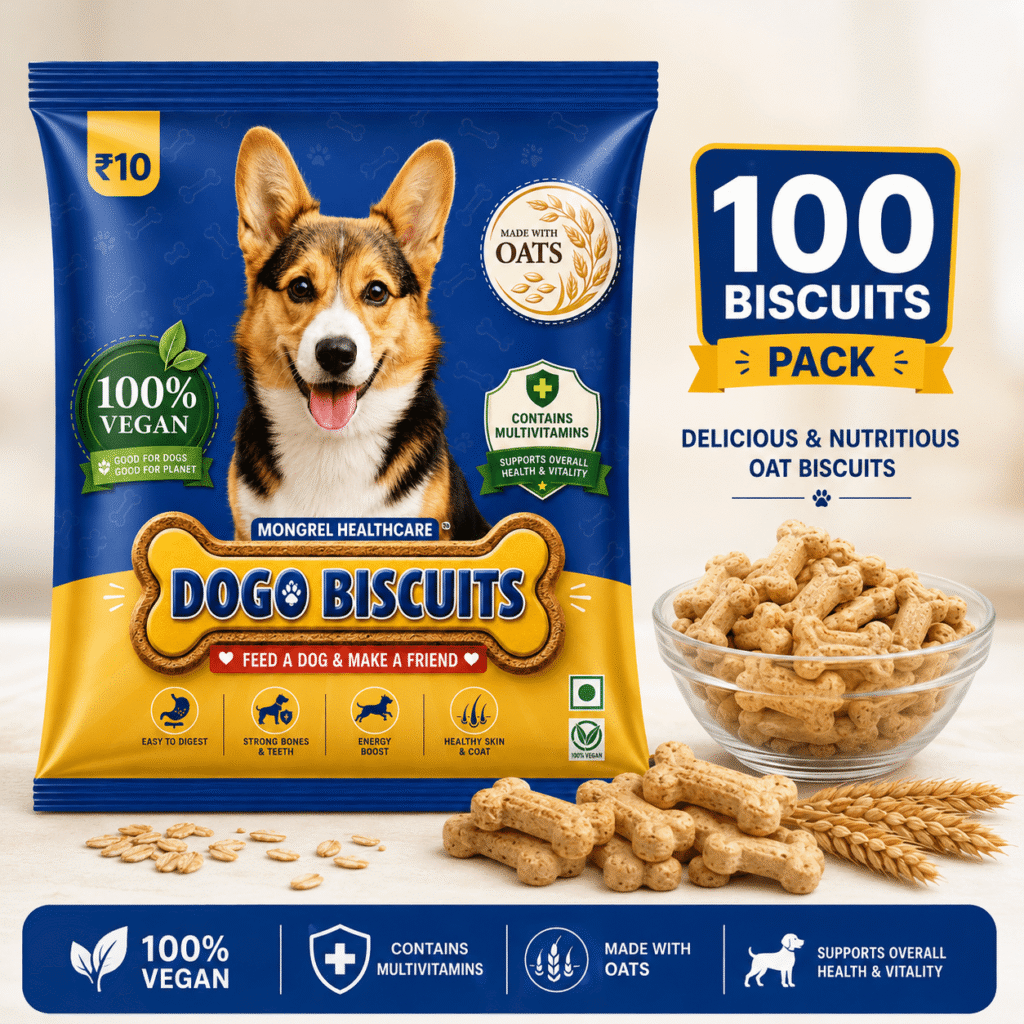
- Animal-derived ingredients (gelatin, rennet, whey, casein, certain colors)
In summary, vegetarians don’t consume direct animal meat, while vegans do not consume any kind of foods from animals at all and attempt to refrain from exploiting animals of any kind in all sections of life.