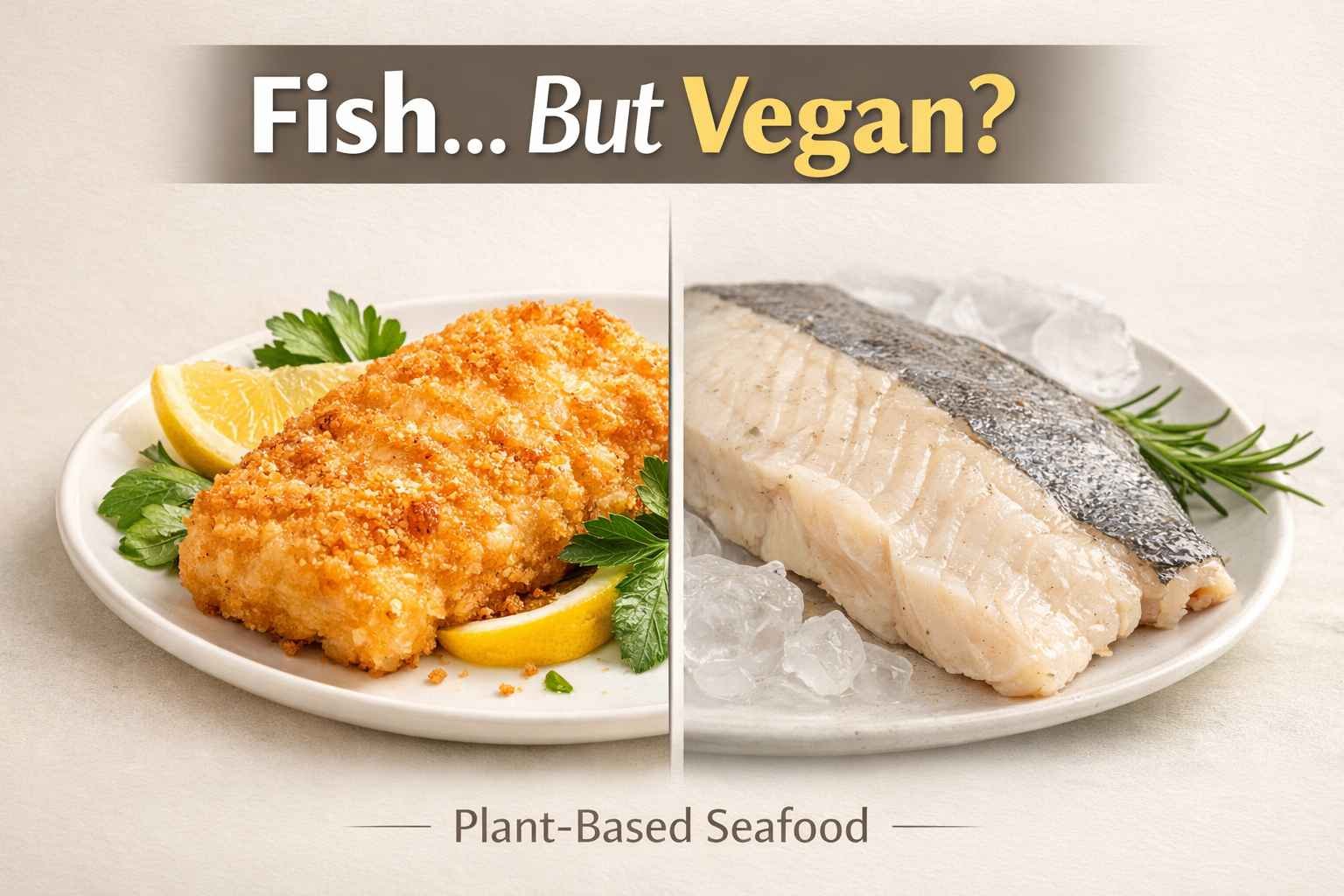
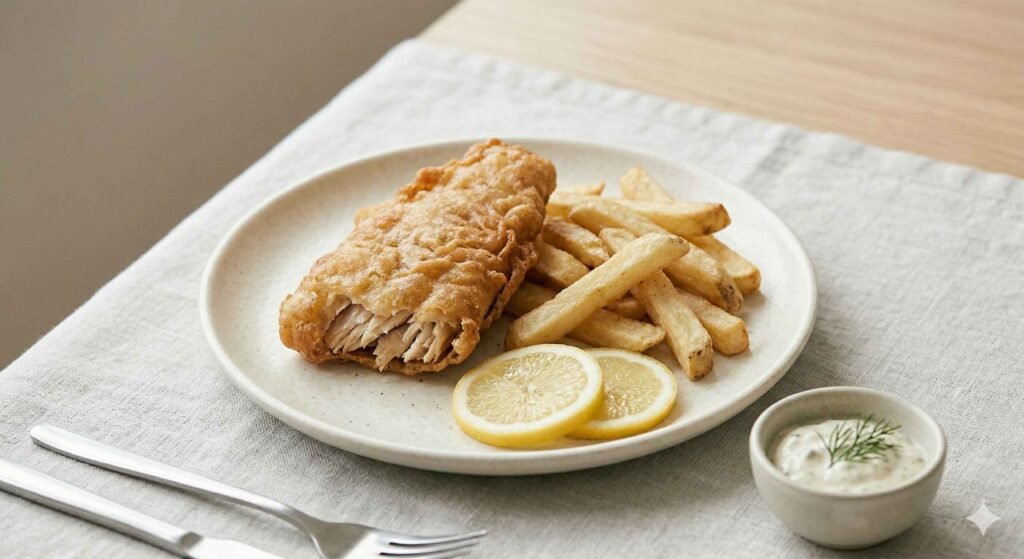
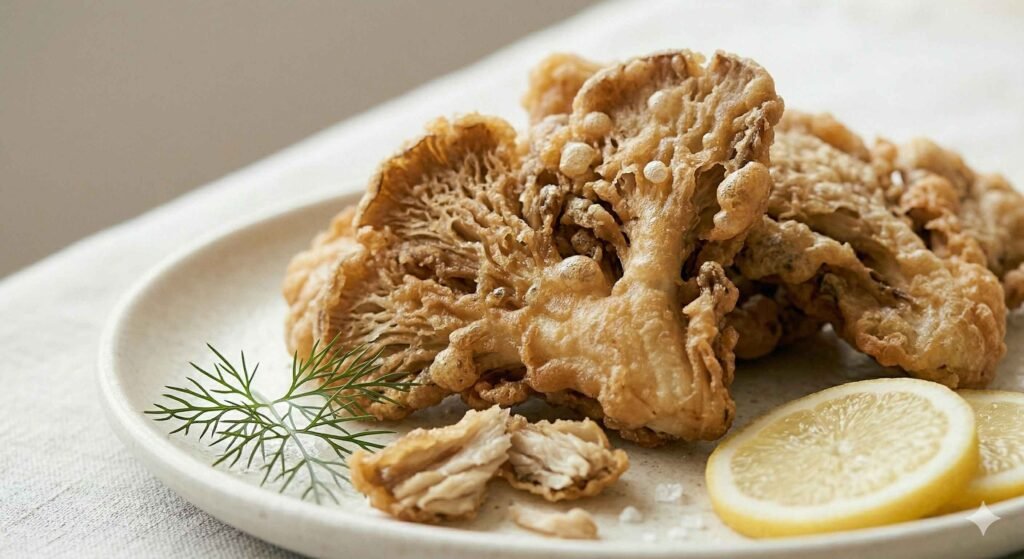
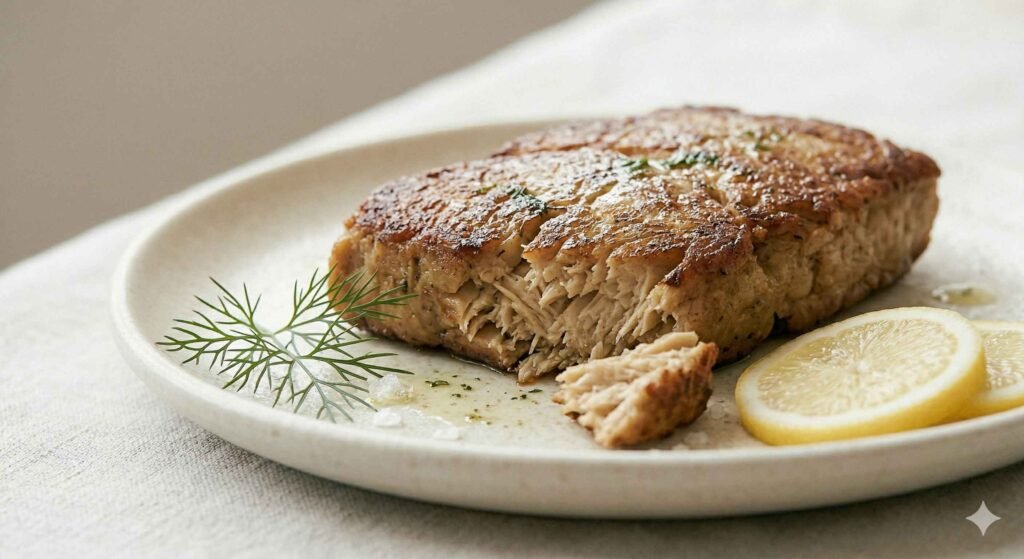
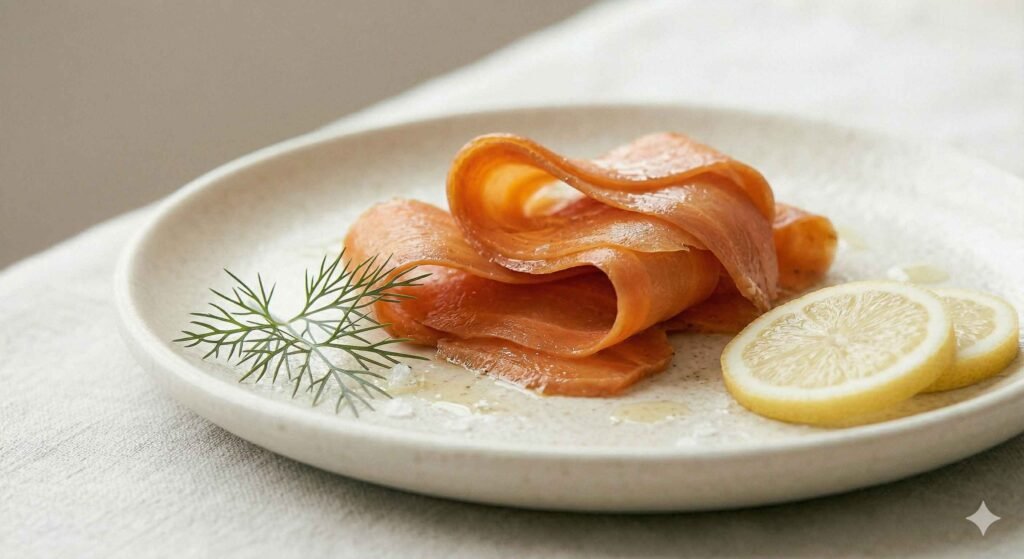
Vegan fish is a plant-based alternative to seafood made using ingredients like tofu, jackfruit, mushrooms, and seaweed to replicate the taste and texture of real fish. This blog explores what vegan fish is, how it’s made, its benefits, and how it compares to real fish. It also highlights 7 easy vegan fish options, cooking ideas, and its growing popularity in India, making it a sustainable and healthy choice for modern diets.
What Is Vegan Fish?
Vegan fish is a plant-based alternative to traditional seafood that is designed to mimic the taste, texture, and appearance of real fish without using any animal-derived ingredients. It is typically made from plant foods like tofu, mushrooms, jackfruit, or wheat protein and flavored with sea-based ingredients such as seaweed.
Food research organizations like the Good Food Institute define plant-based meat (including seafood alternatives) as products created from plants to replicate conventional animal products in taste, texture, and cooking behavior.
Vegan Fish (Quick Overview)
Key Features of Vegan Fish
Vegan fish is completely free from animal ingredients and is built using plant-based proteins and natural flavoring agents. It is designed to replicate not just the taste but also the texture of fish, including softness and flakiness. Many versions are cholesterol-free and may include fiber—something naturally absent in real fish.
Why Vegan Fish Is Becoming Popular
The growing popularity of vegan fish is linked to multiple global concerns. Overfishing and marine ecosystem damage have made people rethink seafood consumption. At the same time, awareness of contaminants like mercury in fish has increased. According to insights commonly discussed in environmental and nutrition research, plant-based diets generally have a lower environmental footprint compared to animal-based diets.
What Is Vegan Fish Made Of?
Common Ingredients Used
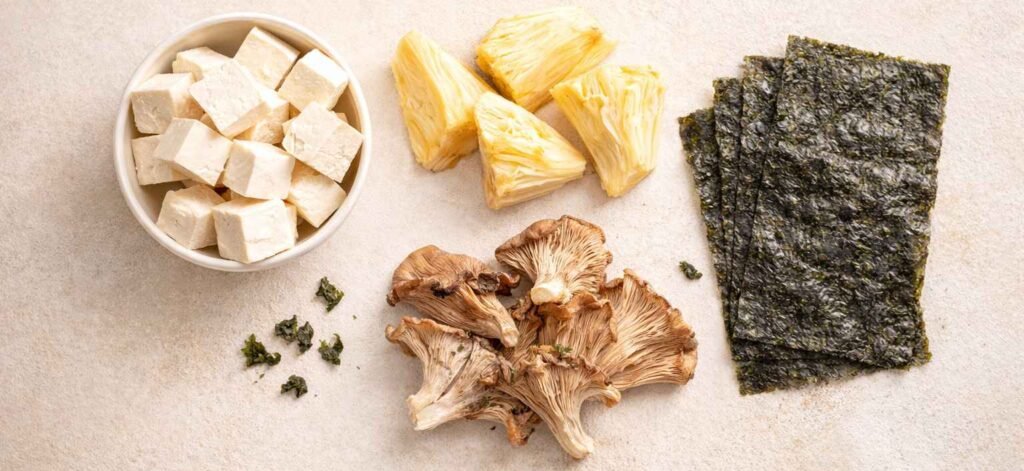
Vegan fish is made from a variety of plant-based ingredients that help recreate the structure and mouthfeel of seafood. Common ingredients include tofu, jackfruit, mushrooms, and seaweed. Tofu provides a neutral base that absorbs flavors well, while jackfruit offers a naturally fibrous texture. Mushrooms contribute umami flavor, which is essential in mimicking savory seafood dishes.
How Vegan Fish Gets “Fishy” Flavor
The characteristic ocean-like flavor of fish is recreated using sea-based ingredients such as algae, nori, and other seaweed varieties. These ingredients naturally contain compounds that give a salty, marine taste. This is why seaweed is widely used in vegan seafood recipes.
Scientific and culinary sources consistently confirm that seaweed and algae are responsible for delivering the “fishy” flavor in plant-based seafood alternatives.
Protein Sources in Vegan Fish
To ensure nutritional value and structure, vegan fish often includes protein-rich ingredients like soy protein, wheat gluten (seitan), and pea protein. These proteins are widely used in plant-based meat production because they can be shaped and textured to resemble animal protein.
Key takeaway: Vegan fish combines plant proteins with sea-based flavor sources to recreate both taste and texture.
How Is Vegan Fish Made?
Simple Process Behind Vegan Fish
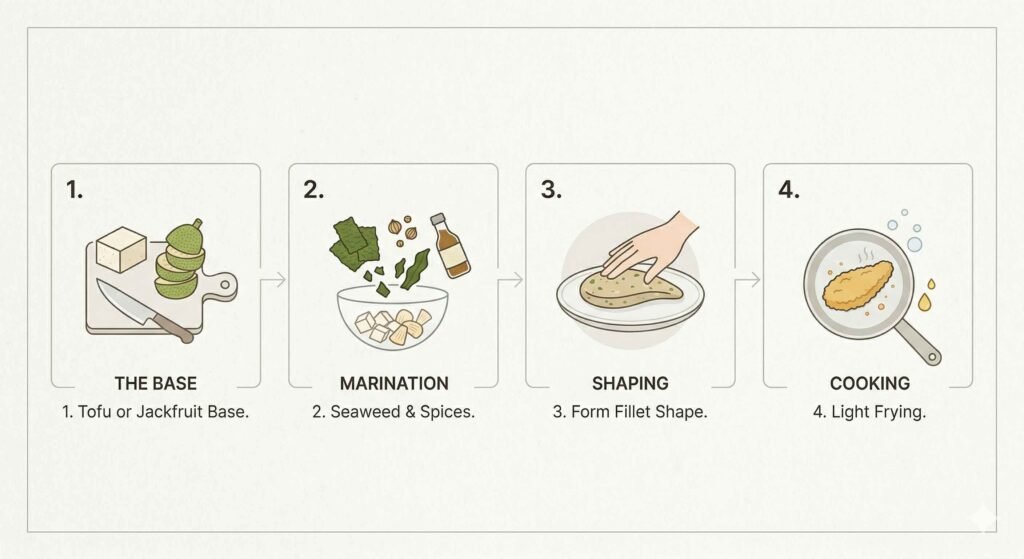
The process of making vegan fish begins with selecting a base ingredient such as tofu or jackfruit. This base is then marinated with seaweed extracts, spices, and flavoring agents to create a seafood-like taste. After that, it may be coated, shaped, or cooked depending on the desired form—such as fillets or chunks.
In industrial production, plant proteins may be processed using techniques like extrusion, which helps create a structured texture similar to animal muscle.
Texture Creation (Flaky & Soft Structure)
Replicating the flaky texture of fish is one of the biggest challenges. This is achieved through layering techniques, controlled cooking, or fiber alignment in processed products. According to general food science principles, these methods are used to mimic the mouthfeel and structure of real fish.
Key takeaway: Vegan fish uses both traditional cooking methods and modern food technology to imitate real fish texture.
7 Easy Vegan Fish Options You Must Try
1. Tofu-Based Vegan Fish
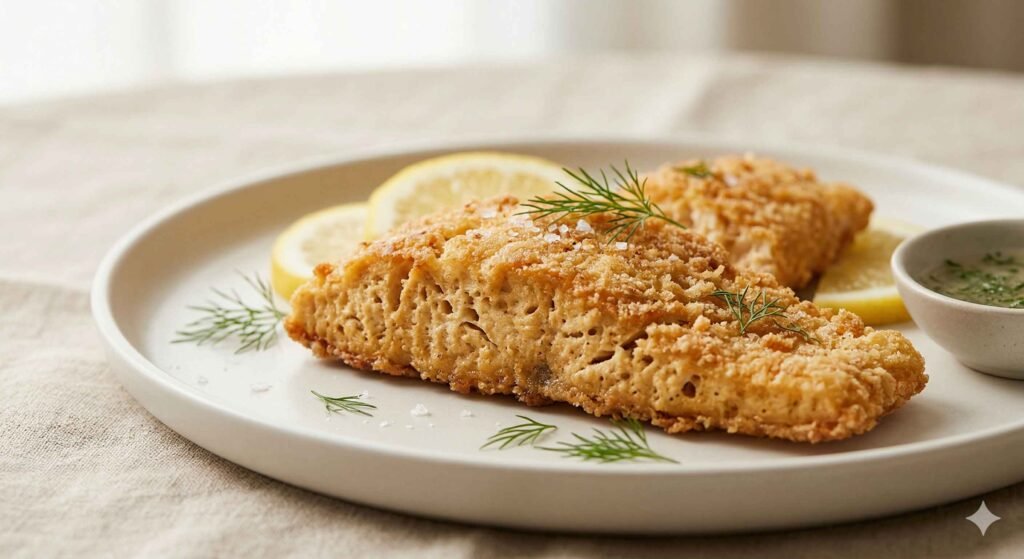
Tofu is one of the most commonly used vegan fish alternatives. Its neutral flavor allows it to absorb marinades made from seaweed and spices. When cooked properly, tofu can resemble soft fish fillets and works well in frying, baking, or grilling.
2. Jackfruit Fish Alternative
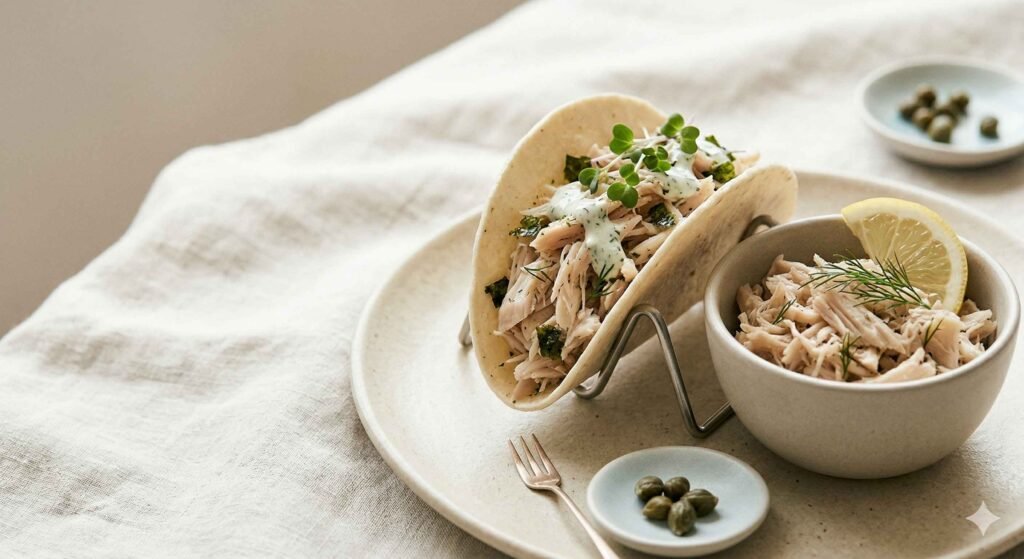
Jackfruit is widely used because of its naturally fibrous texture. When cooked and seasoned, it can mimic shredded fish, making it ideal for dishes like tacos or curries.
3. Banana Blossom Fish
Banana blossom is increasingly popular in vegan cooking due to its flaky texture. It is often used in dishes like vegan fish and chips because it closely resembles the structure of cooked fish.
4. Mushroom Vegan Fish
Certain mushrooms, especially oyster mushrooms, have a soft and slightly chewy texture that works well as a fish substitute. They also provide natural umami flavor, enhancing the overall taste.
5. Seitan Fish Fillets
Seitan, made from wheat gluten, is known for its dense and chewy texture. It can be shaped into fillets and seasoned to replicate fish. It is also one of the higher-protein vegan fish options.
6. Carrot “Salmon”
Thinly sliced carrots can be marinated and cooked to resemble smoked salmon. This option is popular for its visual similarity and unique flavor when seasoned correctly.
7. Store-Bought Vegan Fish Products
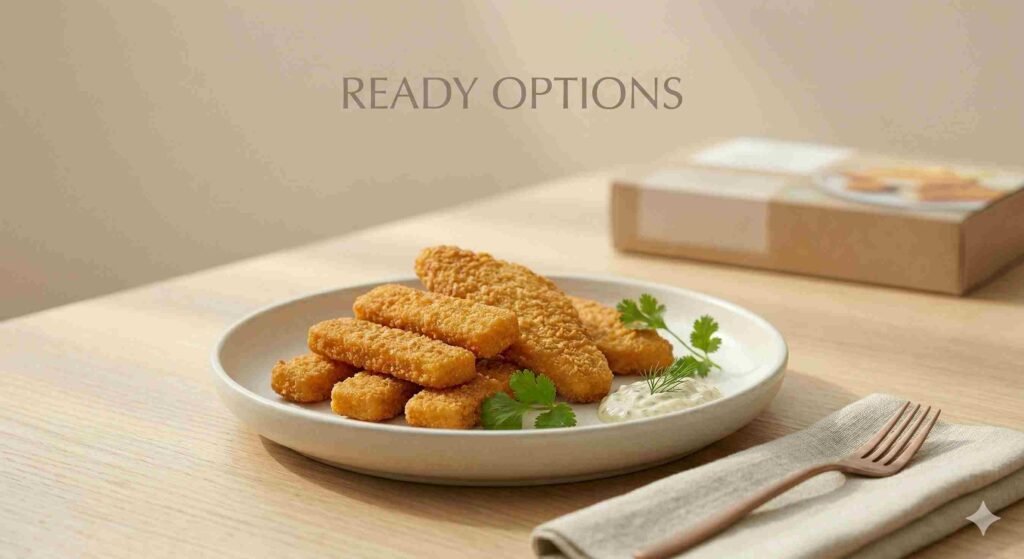
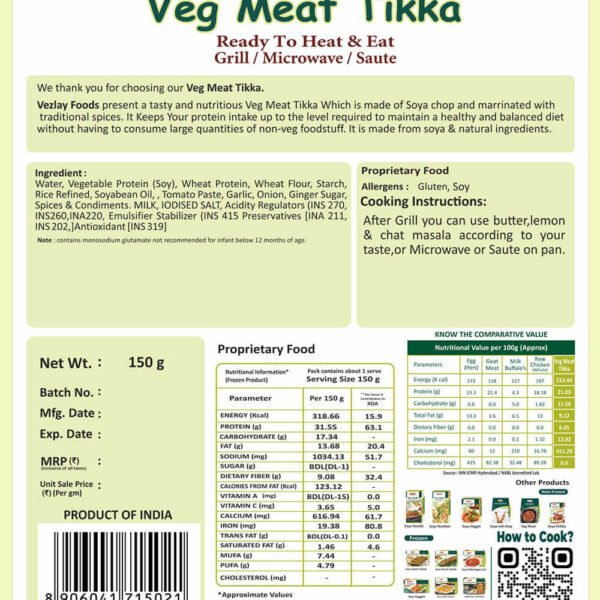
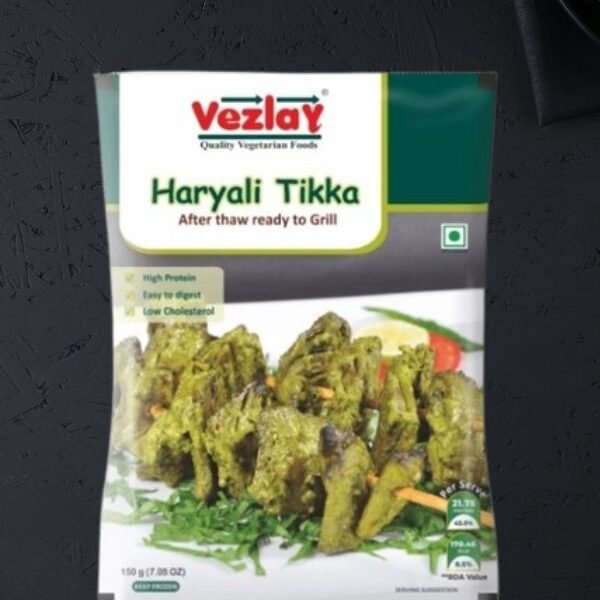
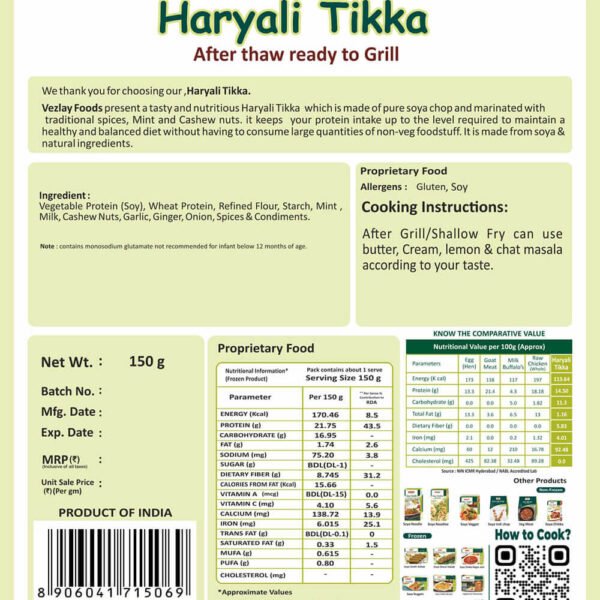
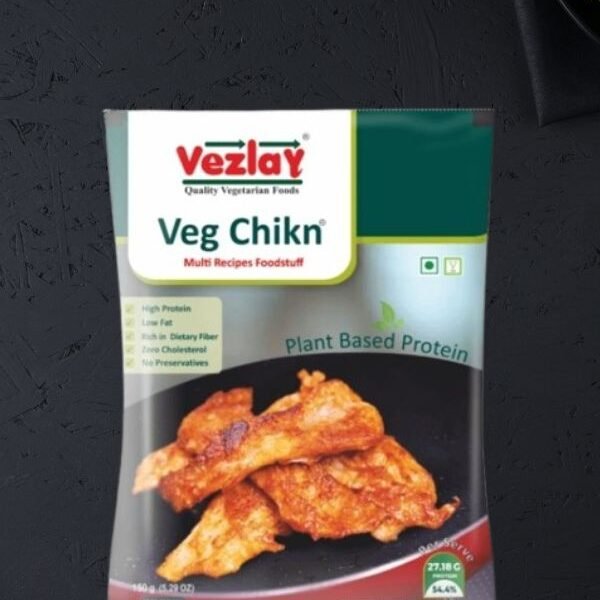
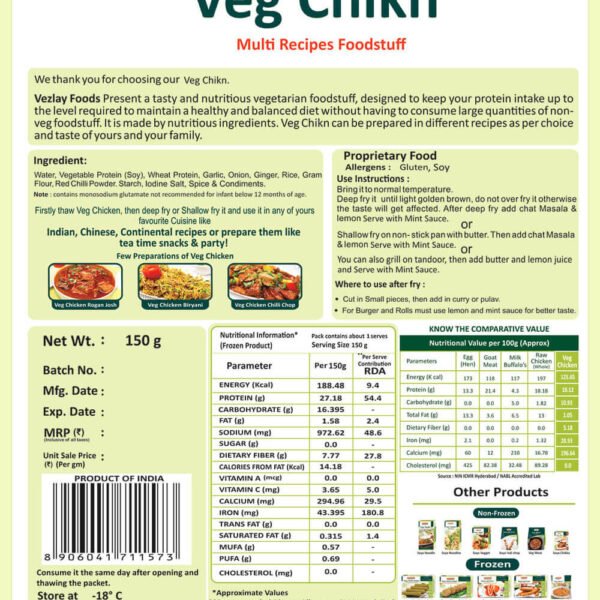
Many companies now produce ready-to-eat vegan fish products such as fish fingers, fillets, and seafood-style snacks. These are designed using advanced food technology to closely mimic real fish in both taste and texture.
Key takeaway: Vegan fish options range from simple homemade ingredients to advanced commercial products.
Vegan Fish vs Real Fish
Key Differences
The main difference is that vegan fish is entirely plant-based, while real fish comes from marine animals. Vegan fish does not contain cholesterol and avoids the ethical concerns associated with fishing.
Taste & Texture Comparison
While real fish has a naturally flaky texture, vegan fish replicates this through plant-based ingredients and cooking techniques. With proper preparation, the taste and texture can be quite similar.
Nutritional Comparison
Real fish is known for omega-3 fatty acids, while vegan fish may include plant-based omega sources such as algae. According to Harvard Health Publishing, plant-based diets can provide essential nutrients when properly planned, though supplementation or fortified foods may sometimes be needed.
Benefits of Vegan Fish
Health Benefits
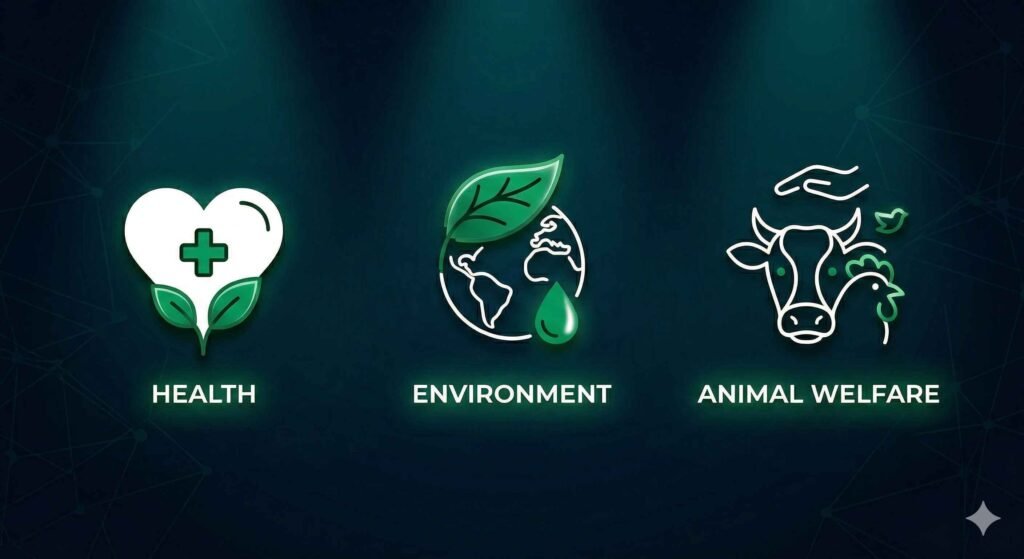
Vegan fish is typically free from cholesterol and may contain less saturated fat than animal fish. It also avoids contaminants such as mercury, which are sometimes found in seafood.
Environmental Benefits
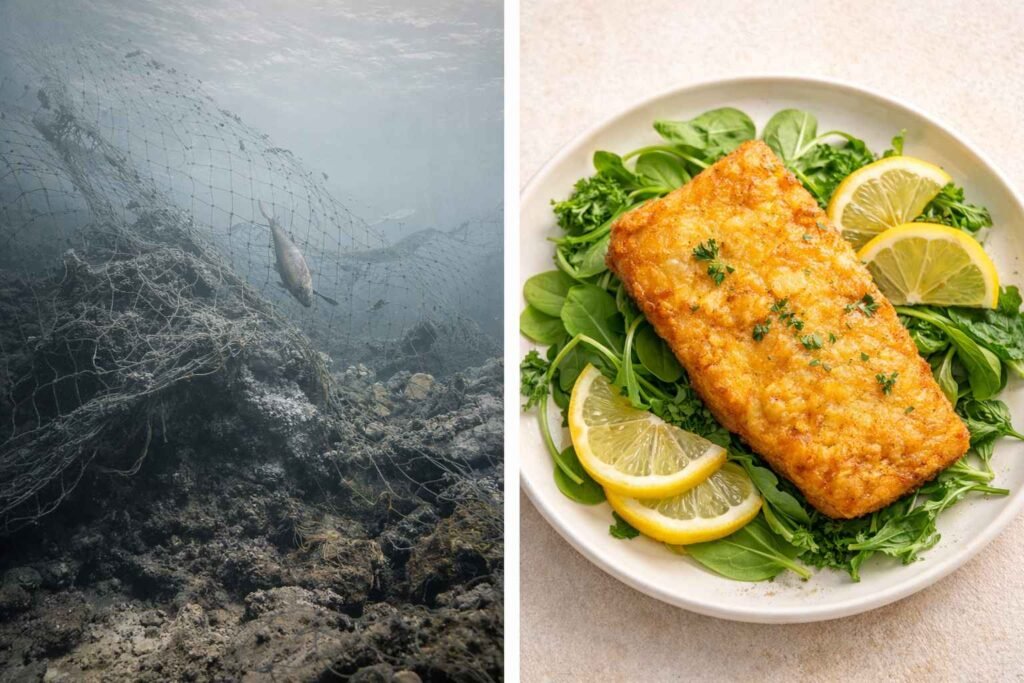
Fishing practices can contribute to overfishing and marine ecosystem disruption. Plant-based alternatives reduce reliance on ocean resources. Environmental studies, including those cited by the Good Food Institute, indicate that plant-based foods generally require fewer natural resources.
Ethical Advantages
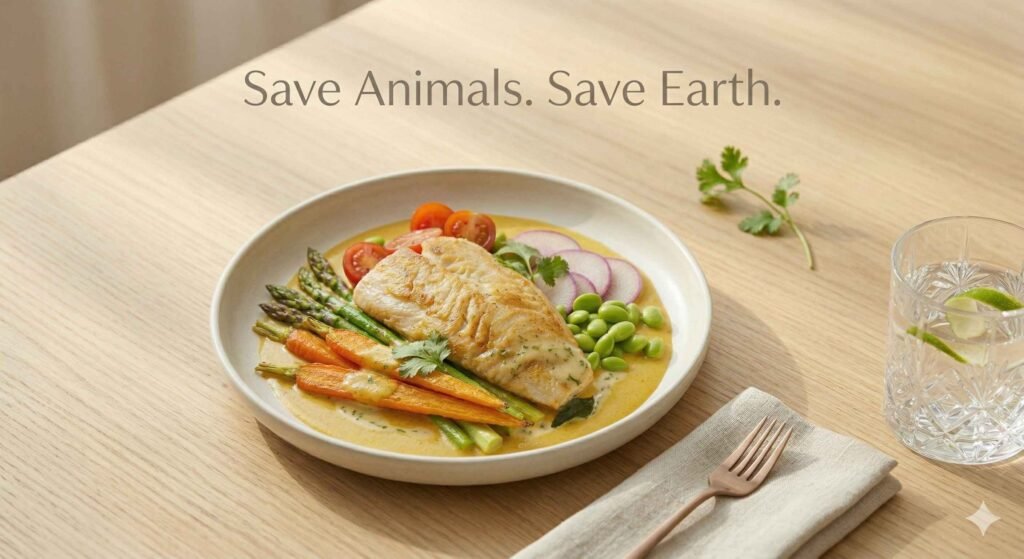
Choosing vegan fish helps avoid harm to marine animals and supports a cruelty-free lifestyle.
Key takeaway: Vegan fish supports sustainability, health, and ethical food choices.
Is Vegan Fish Healthy?
Nutritional Value
Vegan fish can provide protein and essential nutrients depending on the ingredients used. Whole-food options like tofu and mushrooms are naturally nutritious.
Processed vs Homemade Options
Homemade vegan fish tends to be healthier because it uses fewer additives. Processed products are convenient but may contain higher sodium levels.
Things to Consider
It is important to read ingredient labels and choose products with balanced nutrition. A well-planned plant-based diet is key to maintaining overall health.
Key takeaway: Vegan fish can be a healthy option when chosen carefully and consumed as part of a balanced diet.
How to Cook Vegan Fish (Simple Ideas)
Frying & Baking
Vegan fish can be breaded and fried for a crispy texture or baked for a lighter option. Both methods work well depending on the recipe.
Curries & Indian Recipes
In India, vegan fish can be used in curries with spices, coconut milk, and herbs, creating rich and flavorful dishes.
Quick Meals & Snacks
Vegan fish works well in sandwiches, wraps, and salads, making it a versatile ingredient for quick meals.
Vegan Fish in India
Popular Indian Ingredients
India already uses many plant-based ingredients like soya, mushrooms, and jackfruit, which can easily be adapted into vegan fish recipes.
Availability & Trends
The plant-based food market in India is growing rapidly, with increasing availability of vegan alternatives in urban areas.
Key takeaway: India’s plant-based food culture supports the growth of vegan seafood alternatives.
Who Should Try Vegan Fish?
Beginners
Those transitioning to a vegan lifestyle can use vegan fish as a familiar alternative to seafood.
Fitness & Health Focused
It provides plant-based protein without cholesterol.
Flexitarians
People reducing meat intake can benefit from vegan fish as a flexible option.
FAQs
Conclusion