...

Difference between Vegan and Vegetarian: Complete Guide (2025)

Vegan and Vegetarian

Introduction: Why understanding “Vegan and Vegetarian” matters

In the recent years, “vegan” and “vegetarian” have evolved from a diet term to a moral beacon, an environmental objective, a health selection. And still, too many individuals confuse them or have no idea which path is correct for them. In this book, we have all you need to know about vegan and vegetarian existence, including defining them, how it’s good and how it’s bad, and how to make the decision that which path is correct for you — in the context of plant-based foods, vegan foods, vegetarian foods, and the thing that distinguishes it so very, very differently.

What is a Vegetarian?

Vegetarian is an individual who does not eat meat, poultry, or seafood although they may eat some of the by-products from animals such as milk, eggs, or honey based on the type.

Subtypes of vegetarians

Since “vegetarian” could have a number of connotations, the most prevalent among which that it encompasses are:

Type

What’s excluded

What’s included

Lacto-ovo vegetarian

Meat, poultry, fish

Dairy, eggs, plant foods (most common)

Lacto vegetarian

Meat, poultry, fish, eggs

Dairy, plant foods

Ovo vegetarian

Meat, poultry, fish, dairy

Eggs, plant foods

Pesco-vegetarian / pescatarian (sometimes grouped)

Meat, poultry

Fish, seafood, dairy, eggs (not strictly vegetarian)

Flexitarian / semi-vegetarian

Occasional meat

Mostly plant foods, sometimes meat/fish

In Western societies, if you state “I’m vegetarian,” it will generally be self-evident that you are lacto-ovo vegetarian. In some other cultures (e.g., in some areas of India), “vegetarian” could imply no meat/fish ever, and eggs may or may not count as vegetarian.

Vegetarian diets comprise primarily fruits, veggies, legumes, grains, nuts, seeds, milk and all dairy foods, eggs, and plant-based foods that substitute meat (such as tofu, tempeh).

What is a Vegan?

 One who holds an even more radical view: no meat and no animal byproducts in diet and in most instances in life in general.

Vegan Society states veganism to mean “a way of life which seeks to exclude, to the greatest extent possible and practicable, all forms of exploitation of, and cruelty to, animals for food, clothing or any other purpose.”

Veganism went beyond the plate

Veganism overflows into life in a manner in which it does not with vegetarianism:

  • Product source rejection such as in clothing and accessories made of leather, wool, silk, fur, or down.
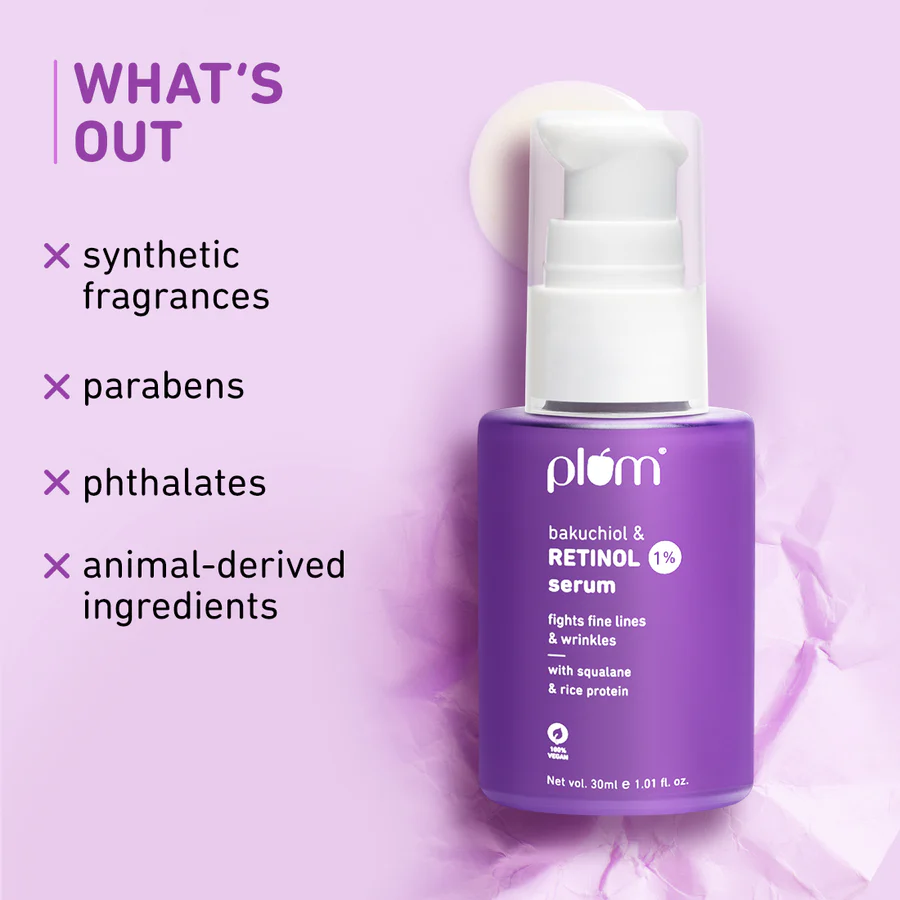
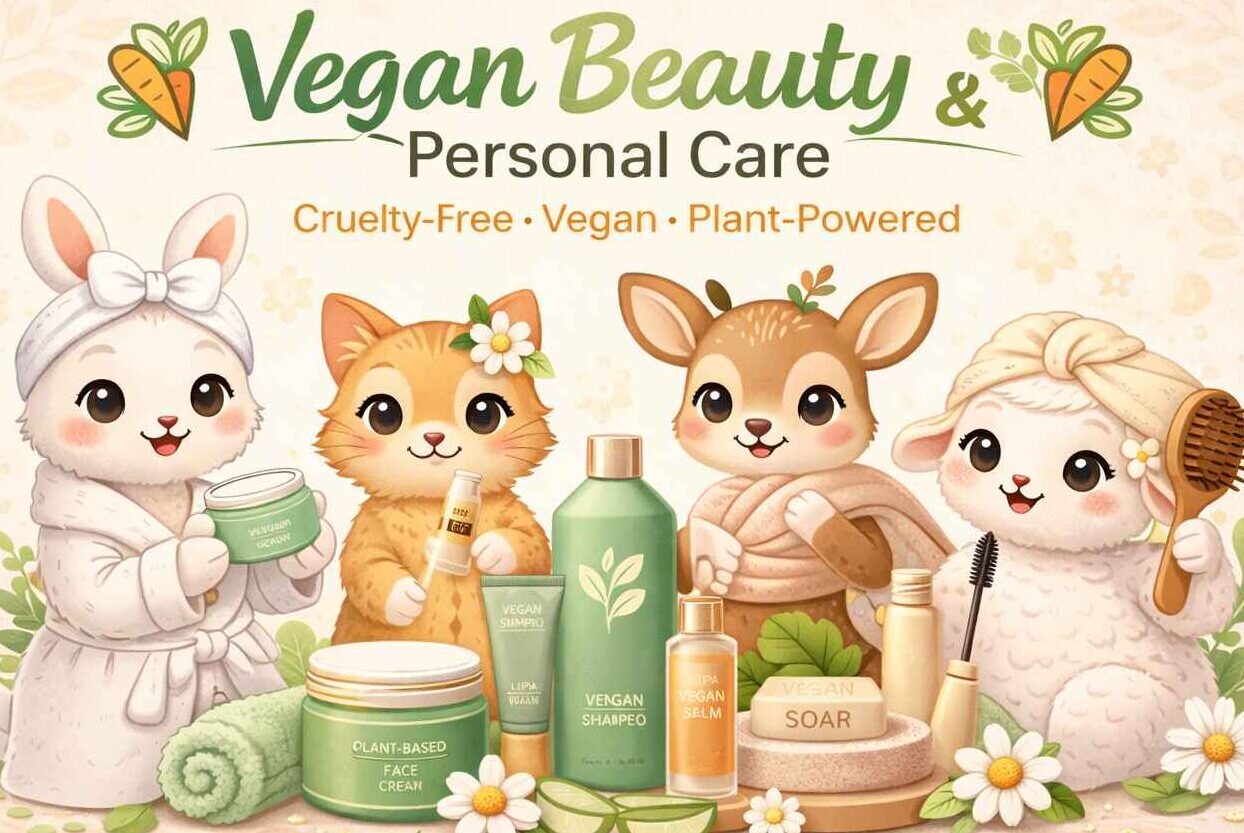
  • Non-animal tested cosmetics, personal care, and cleaning.
  • Wearing plant-based alternatives in clothing, home decor, and accessories. 
  • Avoiding products with gelatin, beeswax, some adhesives, some coloring.

    From a dietary perspective, a vegan diet excludes:

    • Meat, poultry, fish, seafood
    • Dairy (milk, cheese, yogurt, butter)
    • Eggs
    • Honey
    • Animal-derived ingredients (gelatin, rennet, whey, casein, certain colors)

    In summary, vegetarians don’t consume direct animal meat, while vegans do not consume any kind of foods from animals at all and attempt to refrain from exploiting animals of any kind in all sections of life. 

Vegan vs Vegetarian : A Comparative Side-by-Side

Below is a convenient reference table with their distinctions in diet, manner of life, and realities:

Feature

Vegetarian

Vegan

Meat / fish / poultry

Excluded

Excluded

Dairy products

Often included (unless specific subtype)

Excluded

Eggs

Often included

Excluded

Honey / bee products

May be allowed

Usually excluded

Other animal-derived ingredients (gelatin, rennet, etc.)

Sometimes present, needs checking

Always avoided

Lifestyle beyond diet

Usually not prioritized

Often high priority (clothing, cosmetics, etc.)

Ease of transition / flexibility

More forgiving, gradual changes possible

More restrictive, may require stronger planning

Risk of nutrient deficiencies

Moderate, manageable

Some nutrients may need extra attention (e.g., B12, calcium, etc.)

Environmental impact

Lower vs meat diets but higher than vegan in many estimates

Typically lowest among those avoiding meat/dairy

This table helps to distill the essence: veganism is a subset (a stricter version) of vegetarianism, with tighter constraints and a stronger ethical emphasis — a fact also confirmed by Healthline.

Health, Nutrition & Environmental Impact

Advantages of vegetarian and vegan diets

  • Lower chronic disease risk: Diets rich in whole plant foods are often associated with lower blood pressure, LDL cholesterol, and reduced risks of heart disease. 

  • High in fiber, vitamins, antioxidants: Fruits, vegetables, legumes, nuts, and whole grains deliver valuable micronutrients, phytonutrients, and fiber
  • Weight management benefit: Some research shows plant-based diets help with weight control when calories and food quality are managed
  • Environmental sustainability: Reducing animal agriculture reduces greenhouse gas emissions, land use, and water usage. Vegan diets often show the largest reductions in environmental impact. 

Ethical considerations: Many choose veganism/vegetarianism to minimize animal suffering, align with animal rights, or reduce exploitation, scientific evidence and professional guidance by Academy of Nutrition and Dietetics’ position paper

Nutritional challenges & how to address them

Because vegan and, to a lesser degree, vegetarian diets exclude animal products, certain nutrients require special planning:

Nutrient

Risk / concern

Sources / strategies

Vitamin B12

Minimal natural plant sources; deficiency risk high in strict vegan diets

Fortified foods (cereals, plant milk, B12 supplements)

Iron (non-heme)

Less bioavailable than heme iron

Pair with vitamin C foods to boost absorption (e.g. lentils + bell pepper)

Calcium

Without dairy, intake may be low

Fortified plant milk, tofu, leafy greens, almonds

Vitamin D

Lack of fortified foods or sun exposure

Fortified foods, supplementation, safe sun exposure

Omega-3 (EPA/DHA)

Plant ALA (flax, chia, walnuts) must convert; conversion is inefficient

Algal oil supplements, microalgae-based EPA/DHA

Protein (complete amino acids)

Possible, but requires varied plant protein sources

Combine legumes + grains + nuts/seeds; soy, quinoa, seitan, tempeh

Even vegetarians should monitor these nutrients if their consumption of dairy or eggs is low. A well-planned vegetarian or vegan diet can meet all nutrient needs at all life stages (pregnancy, childhood, older age) — as endorsed by registered dietitian associations. 

One recent long-term study of vegetarians and vegans found lower rates of several cancers compared to meat lovers (vegans showing ~24% lower risk overall) — though diet is only one factor in cancer risk.

Widely Believed Myths & Misconceptions

Let’s debunk a few frequent misunderstandings:

  • “Vegetarians / vegans can’t get enough protein.”
    Reality: You absolutely can, with legumes, soy, nuts, seeds, whole grains, and proper planning. Many plant proteins are complete or complementary.
  • “Vegan diets always mean weight loss.”
    Reality: Being vegan doesn’t guarantee weight loss. Overconsumption of processed vegan foods, oils, and sugars can lead to weight gain.
  • “Dairy is essential for strong bones.”
    Reality: Calcium and vitamin D can come from fortified plant sources, greens, and supplements when needed.
  • “It’s too hard to go vegan / vegetarian.”
    Reality: Gradual transition, planning, support, and flexible approaches help. Many start with vegetarian food or flexitarian approaches and adjust over time.
  • “Veganism is extreme or impractical.”
    Reality: Many major cities, restaurants, and food brands now offer a wide range of vegan and plant based food options. The trend is growing.

Which One is ideal for You? Tips for Transition

Choosing between vegan and vegetarian depends on personality, goals, ethics, health, and lifestyle. Here are some tips:

  1. Set modest beginnings: Try “meatless Mondays” or replace one meal per day with plant based food.
  2. Become vegetarian first: If going straight vegan feels too strict, begin by eliminating meat first but keep dairy/eggs, then gradually reduce those.
  3. Check the label for hidden animal ingredients: Read ingredient labels for hidden animal products (gelatin, casein, rennet, shellac, etc.).
  4. Use alternatives: Plant-based milks (soy, almond, oat), meat analogs, tofu, tempeh, legumes, and vegan cheese can help ease the transition.
  5. Plan meals for balanced nutrition: Use meal plans, recipes, and nutrition guides to ensure balance.
  6. Consult a registered dietitian: A registered dietitian or nutritionist can help with supplements and nutrient assessments.
  7. Be gentle with yourself: Some slip-ups are okay — the goal is progressive improvement, not perfection.

Over time, you may settle into a style that’s most sustainable for you — whether that’s full vegan, vegetarian, or flexitarian.

FAQs

Vegetarians do not consume meat, poultry, and fish but might eat dairy, eggs, or honey. Vegans do not consume any type of food that originates from an animal and apply the philosophy to non-food areas.

Both can be healthy if planned carefully. Veggie diets are good starters; vegan diets lower saturated fat and cholesterol if supplemented properly.

Yes, through legumes, soy, nuts, seeds, grains, and diverse plant-based meals.

Vitamin B12, vitamin D, iodine, calcium, omega-3s, zinc, iron.

 Yes, generally vegan diets reduce greenhouse gas emissions and land use more than vegetarian diets.

 Yes — flexitarian models allow incidental animal foods while maintaining mostly plant-based meals.

Closing Comments & Request to Act

Veg or vegan is more than a dining decision — it’s a value, health, and lifestyle choice. Vegetarianism offers flexibility; veganism is stricter morally. The quality of your diet matters more than the label. Plan nutrients carefully and transition gradually with expert guidance if needed.

As you consider your path, remember:

  • The quality of your diet matters more than the label.
  • Balanced plant based food should be your foundation.
  • Nutrient planning is crucial, especially for stricter diets.
  • Transition in a way that’s comfortable and sustainable.
  • Seek professional guidance when needed.

Leave a Reply

Your email address will not be published. Required fields are marked *