Introduction
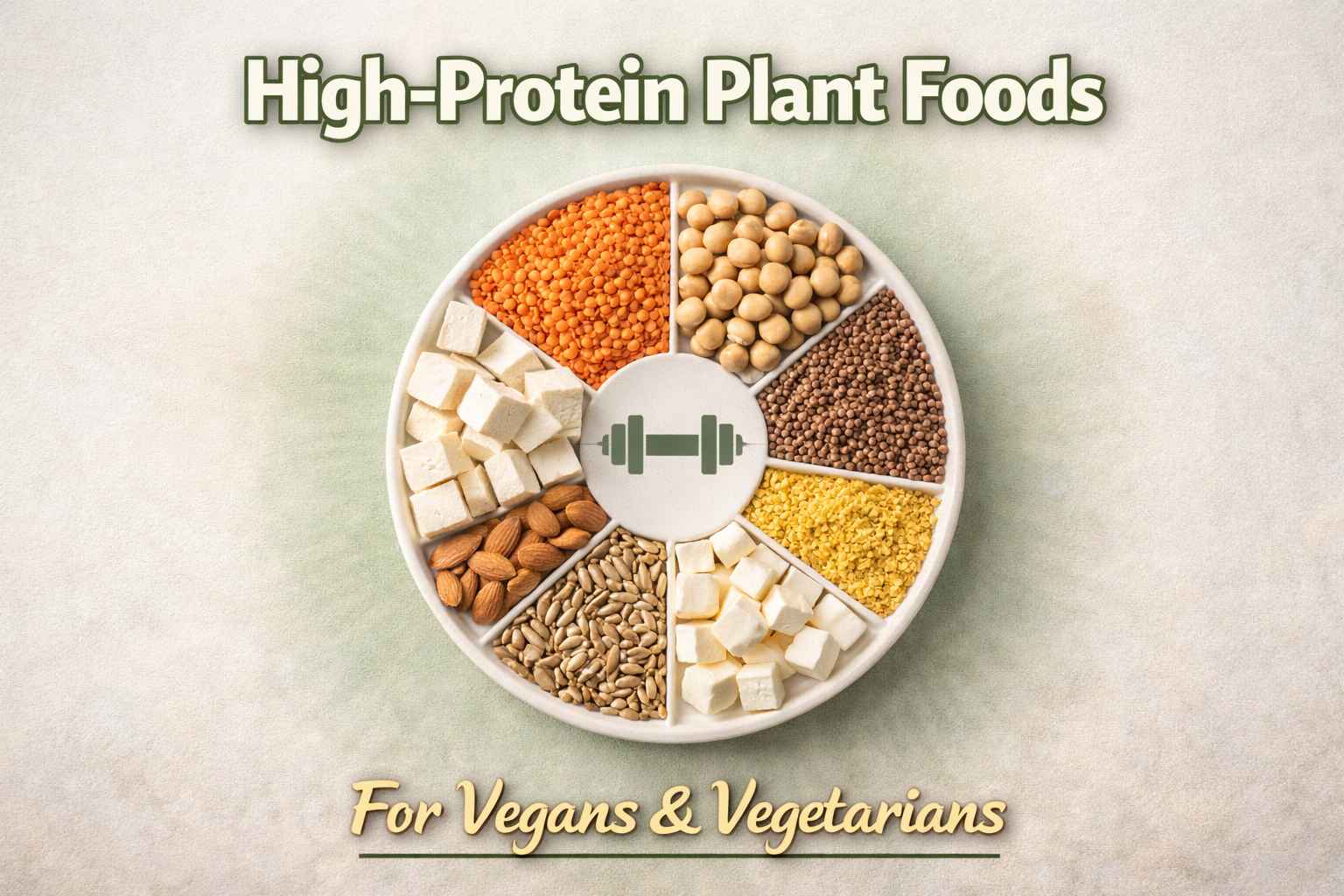
Are you following a plant-based lifestyle and worried you might not be getting enough protein? You’re not alone. Many people assume that only animal products can provide enough protein. However, that’s not the case—there are plenty of high-protein sources for vegans that are both nutritious and satisfying.
In fact, high-protein vegan sources such as lentils, chickpeas, tofu, quinoa, and nuts offer excellent nutrition while being easy to prepare and include in daily meals. Moreover, these non-meat high-protein foods are affordable, accessible, and ideal for anyone aiming to stay strong and energized.
Whether you’re building muscle, losing weight, or maintaining your overall health, understanding the best vegan protein foods can make a big difference. By choosing the highest vegan protein options and other protein-rich food alternatives, you can easily meet your daily needs. So, let’s explore the high-protein sources for vegans that prove plant-based eating can be just as powerful as any traditional diet.
Why Protein Matters for Vegans and Vegetarians
Protein: The Body’s Building Block
Protein plays a crucial role in the recovery of the muscles, immune system, hormonal balance, and skin. It also makes you feel fuller, aiding the appetite control and weight control. Harvard Health Publishing states that the amount of protein required per kilogram of body mass is approximately 0.8 grams of protein, and when an individual is building a large body mass or is an athlete, the protein requirement is up to 1.6 grams per kilogram.
Protein Challenges in Plant-Based Diets
Animal products are complete proteins, but many plant-based foods lack one or more essential amino acids. However, combining different plant sources balances this out.
Examples of complete combinations
- Rice + lentils = complete protein
- Peanut butter + whole-grain bread = complete protein
- Hummus (chickpeas + tahini) = complete protein
By mixing and matching, vegans and vegetarians can easily achieve a balanced amino acid profile without relying on animal foods.
Top High-Protein Sources for Vegans
Nature offers plenty of protein-rich vegan foods—from beans to soy products—that are also high in fiber, minerals, and antioxidants.
Food | Serving Size | Protein (grams) | Additional Benefits |
Lentils | 1 cup cooked | 18g | Iron, folate, and fiber-rich |
Chickpeas | 1 cup cooked | 15g | Great for hummus or salads |
Quinoa | 1 cup cooked | 8g | Complete protein, gluten-free |
Tofu | 100g | 10–12g | Versatile soy-based protein |
Tempeh | 100g | 19g | Fermented, rich in probiotics |
Edamame | 1 cup | 17g | High in iron and calcium |
Seitan | 100g | 25g | Highest vegan protein; avoid if gluten-sensitive |
Almonds | 1 ounce | 6g | Healthy fats and vitamin E |
Chia Seeds | 2 tablespoons | 4g | Omega-3s and fiber boost |
Nutritional Yeast | 2 tablespoons | 8g | B12-fortified, cheesy flavor |
Lentils
Lentils are one of the best plant-based protein sources, offering about 18 g per cooked cup. They’re rich in fiber, iron, and folate, which support heart health and steady energy.
Chickpeas
Chickpeas provide around 15 g of protein per cup and are packed with fiber and minerals. They promote fullness and work great in salads, stews, or hummus.
Quinoa
Quinoa is a gluten-free complete protein with all nine essential amino acids. One cup gives 8 g of protein, plus magnesium and iron for muscle and energy support.
Tofu
Made from soybeans, tofu provides 10–12 g of complete protein per 100 g. It’s versatile, absorbing any flavor, and works well grilled, stir-fried, or scrambled.
Tempeh
Tempeh offers 19 g of protein per 100 g and contains probiotics due to fermentation. Its firm texture and nutty taste make it ideal for wraps, sandwiches, and stir-fries.
Edamame
These young soybeans provide 17 g of protein per cup and are high in calcium, iron, and antioxidants. They make a great snack or addition to rice and noodle bowls.
Seitan
Also known as wheat gluten, seitan packs about 25 g of protein per 100 g—the highest among vegan foods. It has a chewy, meat-like texture but isn’t suitable for those with gluten intolerance.
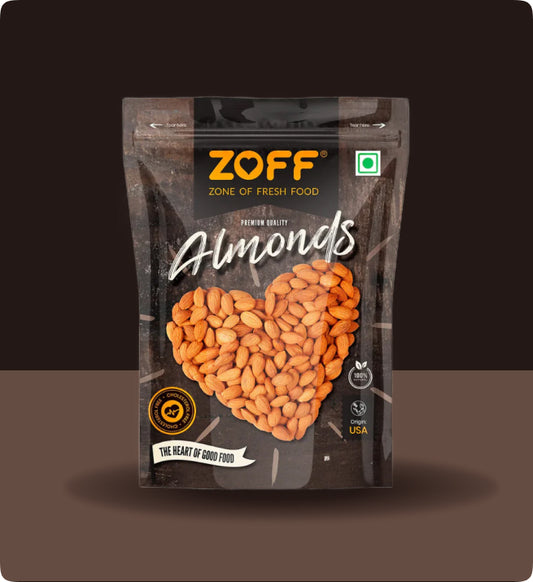
Almonds
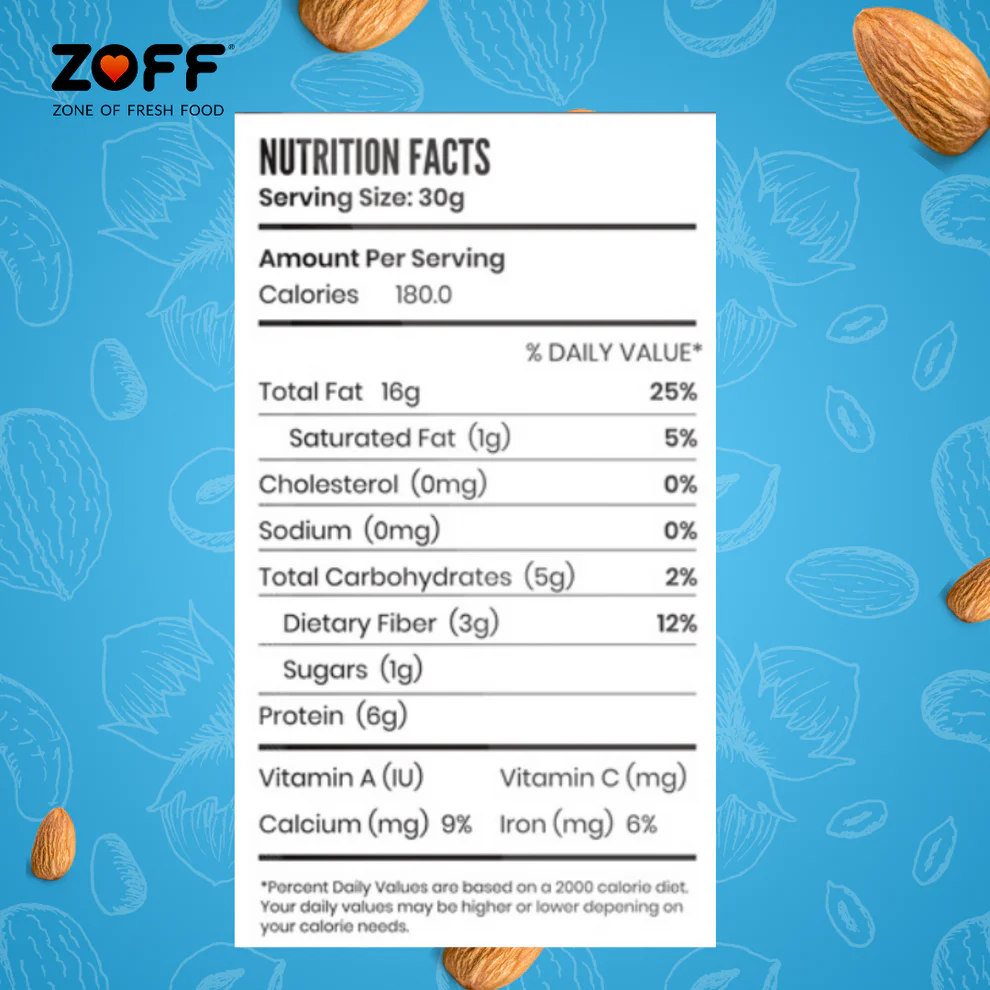
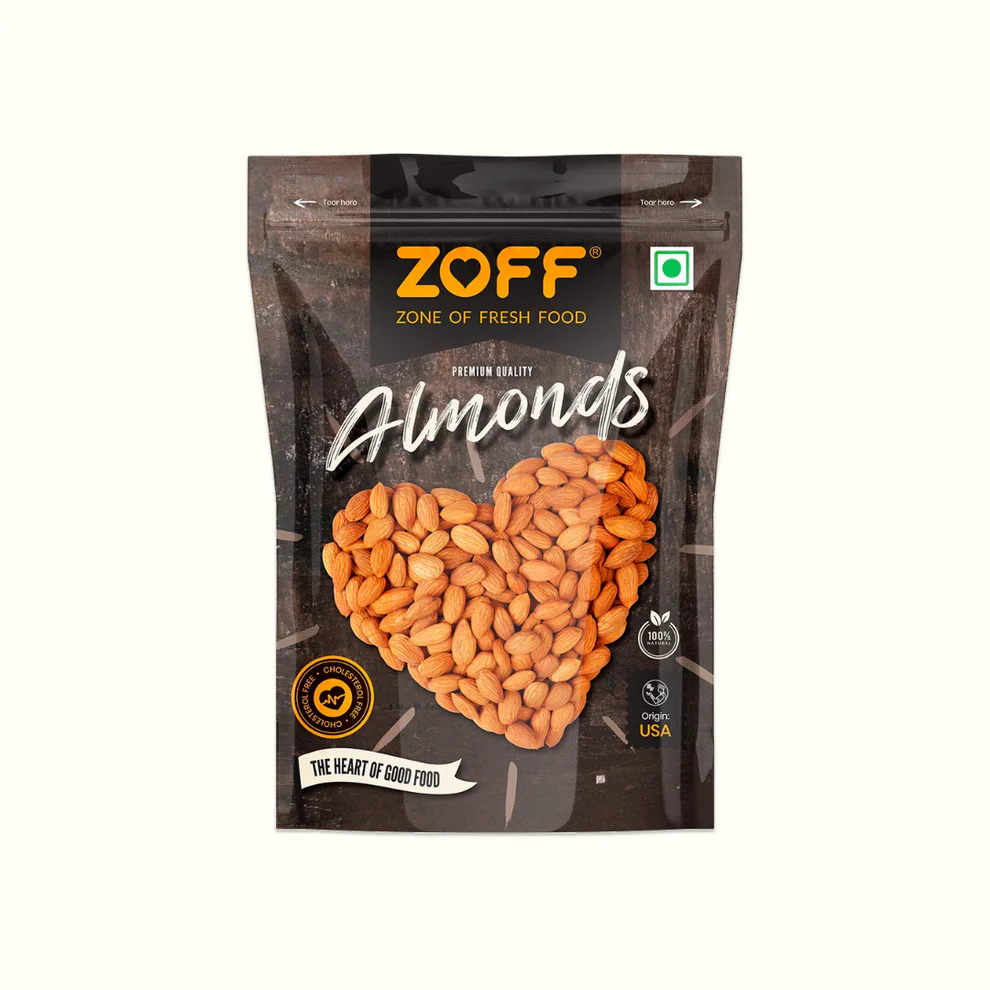
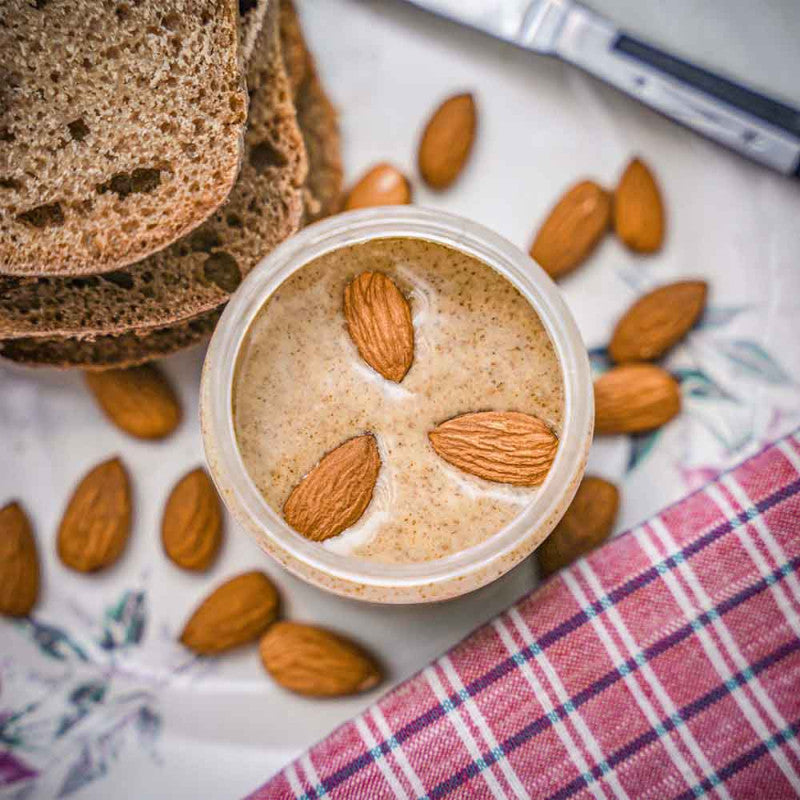
Almonds contain 6 g of protein per ounce along with healthy fats, magnesium, and vitamin E. They support heart health and make an easy, nutrient-rich snack.
Chia Seeds
Chia seeds provide 4 g of protein per 2 tablespoons and are rich in omega-3s and fiber. They help improve digestion and keep you full longer.
Nutritional Yeast
Nutritional yeast gives 8 g of protein per 2 tablespoons and is often fortified with vitamin B12. It adds a savory, cheesy flavor to popcorn, pasta, or sauces.
Quick Vegan Meal Ideas
- Protein Power Bowl: Quinoa + lentils + roasted vegetables
- Tofu Stir-Fry: Tofu + broccoli + sesame sauce
- Smoothie Boost: Soy milk + chia seeds + peanut butter + banana
These vegan protein foods provide both variety and nutrition, making it easy to stay energized without meat.
High-Protein Sources for Vegetarians
Vegetarians have an edge—they can include eggs and dairy, two excellent sources of complete protein.
Food | Serving Size | Protein (grams) | Notes |
Eggs | 1 large | 6g | Complete protein, easy to digest |
Greek Yogurt | 1 cup | 17–20g | High in calcium and probiotics |
Cottage Cheese (Paneer) | 1 cup | 24–25g | Rich in calcium and casein protein |
Mozzarella / Cheddar | 1 ounce | 6–7g | Great source of calcium and vitamin A |
Eggs
Each egg provides about 6 g of high-quality complete protein along with choline and vitamin D. They’re great for muscle repair and overall health.
Greek Yogurt
Greek yogurt contains 17–20 g of protein per cup and is rich in probiotics and calcium. It’s perfect for smoothies, snacks, or breakfast bowls.
Cottage Cheese (Paneer)
Cottage cheese offers 24–25 g of protein per cup and is a slow-digesting protein that supports muscle repair. It’s filling and versatile for both savory and sweet dishes.
Mozzarella / Cheddar
These cheeses provide 6–7 g of protein per ounce and are good sources of calcium and vitamin A. Enjoy them in moderation for strong bones and added flavor.
Simple Vegetarian Combos
- Greek yogurt with oats and nuts for a post-workout snack
- Vegetable omelet with spinach and cheese for breakfast
- Lentil soup with a side of cottage cheese for dinner
These options help vegetarians meet daily protein needs with ease and flavor.
Debunking Common Myths About Plant-Based Protein
Myth 1: “Plant proteins are incomplete.”
Truth: Some are, but combining foods like rice and beans gives all essential amino acids. Your body stores amino acids and uses them as needed—it doesn’t require all of them in one meal.
Myth 2: “You can’t get enough protein without meat.”
Truth: A varied plant-based diet offers plenty. Lentils, tempeh, and seitan can rival meat in protein content.
Myth 3: “Plant-based diets cause muscle loss.”
Truth: Muscle growth depends on total protein intake, not source. Pair high-protein vegan foods with strength training for results.
Myth 4: “Plant proteins are bland.”
Truth: Seasoning and variety make all the difference. Lentil curry, tofu stir-fry, or tempeh wraps can be full of flavor.
Myth 5: “Supplements are mandatory.”
Truth: Most people can meet their needs through food. However, B12 and vitamin D supplements are recommended for many vegans.
Practical Tips to Boost Your Protein Intake
- Start your day with protein. Add chia, peanut butter, or soy milk to smoothies.
- Double up at lunch—combine quinoa and beans or add tofu to salads.
- Snack smart with roasted chickpeas, almonds, or Greek yogurt.
- Batch cook lentils, quinoa, and seitan for the week.
- Experiment with global cuisines—try Asian tofu, Indian daals, or Mediterranean hummus bowls.
- Track your intake with an app like Cronometer or MyFitnessPal.
- Stay hydrated—water supports digestion and protein metabolism.
Sample High-Protein Meal Plan For Vegans
Meal | Example | Estimated Protein |
Breakfast | Oatmeal with chia seeds, soy milk & almonds | 15g |
Snack | Greek yogurt or soy yogurt | 17–20g |
Lunch | Lentil curry with quinoa and salad | 25g |
Snack | Edamame or roasted chickpeas | 15g |
Dinner | Tempeh stir-fry with brown rice & vegetables | 25g |
Evening | Cottage cheese or peanut butter smoothie | 10–12g |
Total: 105–120 grams of protein—ideal for active adults or anyone following a balanced plant-based diet.
Conclusion
A plant-based lifestyle doesn’t mean compromising on nutrition. From lentils and tofu to eggs and Greek yogurt, these high-protein vegan and vegetarian foods make it easy to meet your daily needs.
Mix and match these protein-rich options to maintain energy, build muscle, and stay full longer. Balance and variety are the real keys to thriving on a meat-free diet.
FAQs