-49% Hot
Price range: ₹359.00 through ₹699.00
-43% Hot
Original price was: ₹699.00.₹399.00Current price is: ₹399.00.
-44% New
Price range: ₹249.00 through ₹449.00
-53% Hot
Price range: ₹300.00 through ₹470.00
 Vegan Food
 Baby & Mom
 Beauty
 Fashion
 Pet & Animal Care
 Health & Wellness
 Home & Cleaning Essentials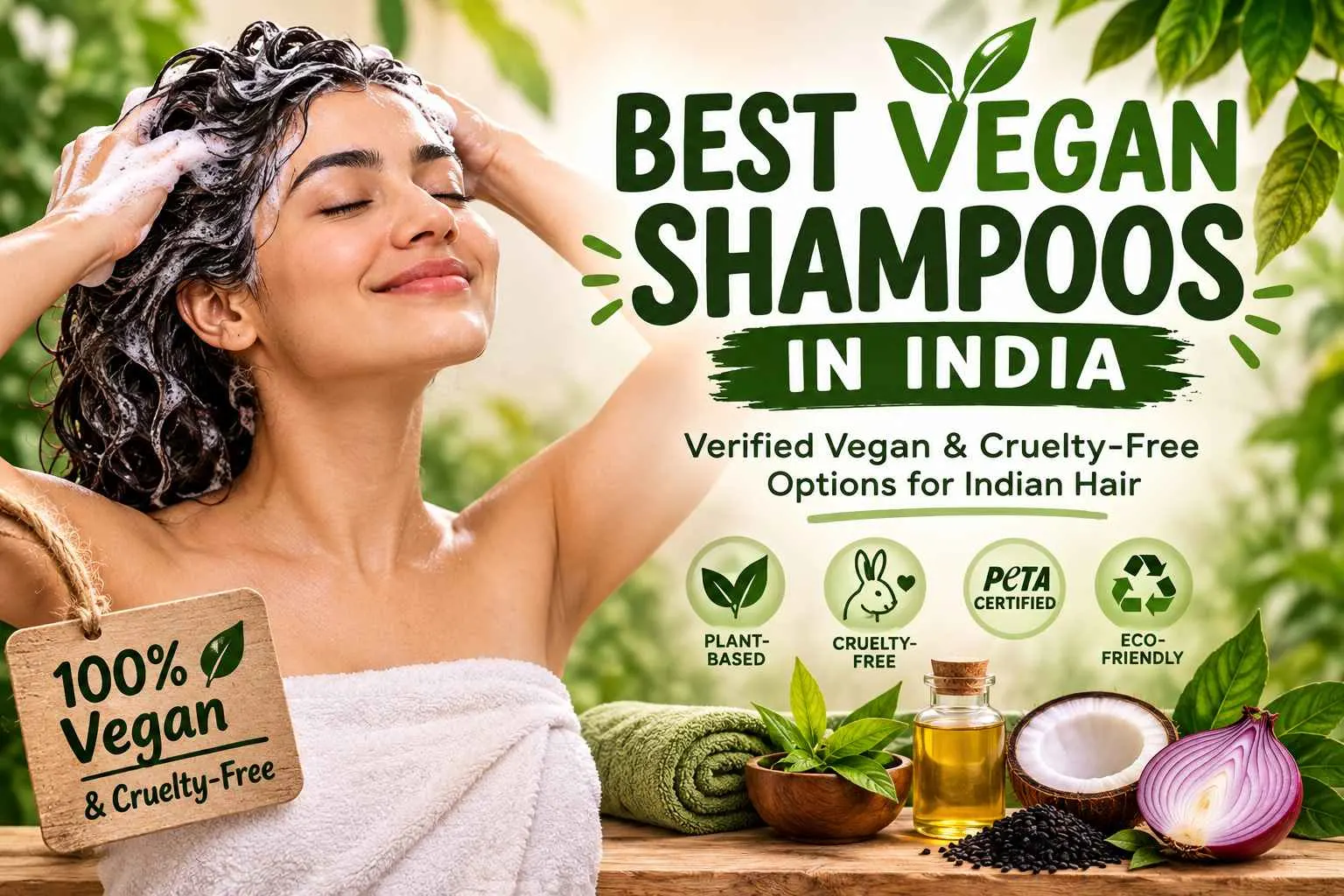
More people in India are looking beyond price when choosing shampoo. They’re checking ingredients, cruelty-free claims, certifications, and whether a product genuinely aligns with a vegan lifestyle. As vegan and conscious beauty becomes easier to find, the number of shampoo options has grown—but so has the confusion around what these labels actually mean.
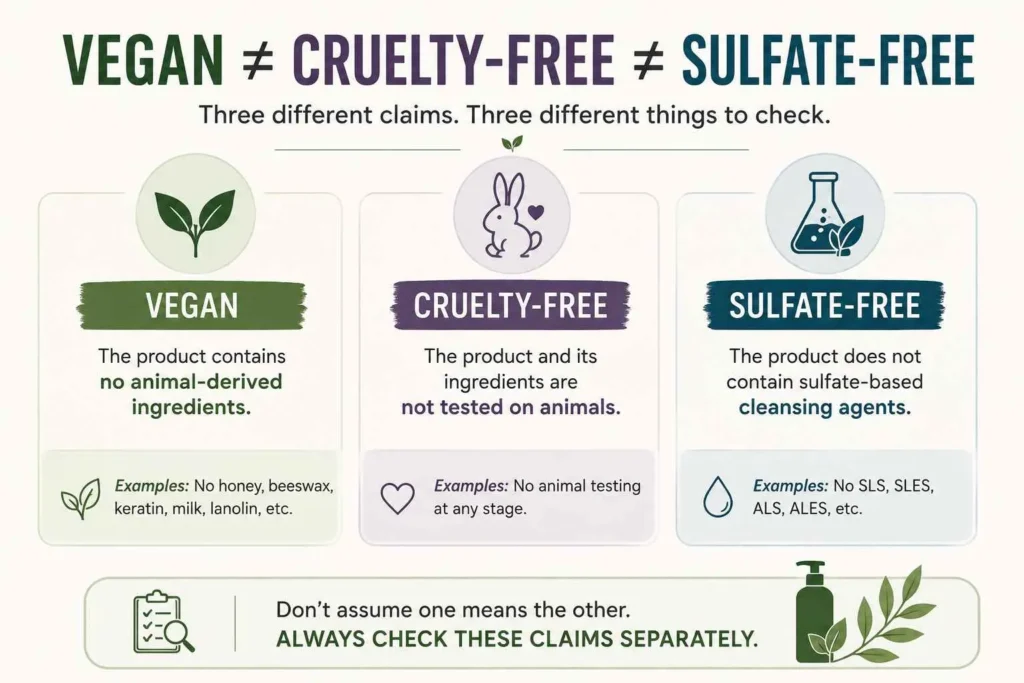
One important distinction is often missed: vegan and cruelty-free are not the same thing. A vegan shampoo should contain no animal-derived ingredients, while a cruelty-free claim relates to animal testing. A shampoo can be one without necessarily being the other. Vegan also doesn’t automatically mean sulfate-free, natural, chemical-free, or suitable for every hair type.
That’s why this guide takes a stricter approach. The shampoos featured here were selected based on an explicit vegan claim that can be traced to the brand or a recognised certification, rather than assumptions based on words like “natural,” “herbal,” or “plant-based.” We’ll also look at hair type, scalp concerns, ingredients, sulfate status, cruelty-free claims, and overall suitability so you can choose a shampoo with more confidence.
Below, you’ll find a quick comparison of 8 vegan shampoos available in India, detailed reviews of each product, recommendations for different hair types and concerns, a clear explanation of vegan vs. cruelty-free, common mistakes to avoid, and answers to the questions shoppers often ask before buying.
| Product | Best For | Hair Type | Sulfate-Free | Cruelty-Free | Vegan | Vegan Verification | Price |
|---|---|---|---|---|---|---|---|
| Love Beauty & Planet Onion, Blackseed & Patchouli Shampoo | Hair-fall concerns | All hair types | Yes* | Yes — PETA-certified | Yes — PETA-certified | PETA-certified | Budget–Mid |
| Plum Coconut Milk & Peptides Shampoo | Dry, frizzy hair | Dry, frizzy | Not stated | Yes | Yes — brand-confirmed | Brand-confirmed | Budget–Mid |
| Iba Professional Black Seed Therapy Shampoo | Hair fall & dandruff concerns | All hair types | Yes* | Yes — PETA-certified | Yes — PETA-certified | Product page + PETA certification | Budget–Mid |
| mCaffeine Coffee Shampoo | Hair-fall & thinning concerns | Fine, thinning hair | Yes* | Yes — PETA-certified | Yes — PETA-certified | PETA-certified | Mid |
| Arata Regenerating 5-in-1 Super Shampoo | Hair-fall & thinning concerns | All hair types | Yes* | Yes — PETA-certified | Yes — PETA-certified | Product listing + certification | Mid |
| Bare Anatomy Anti-Hair Fall Shampoo | Hair-fall concerns | Weak, thinning roots | Yes* | Yes | Yes — brand-confirmed | Brand-confirmed | Mid |
| Juicy Chemistry Moisturising Daily Use Shampoo | Dry, frizzy hair | Dry, wavy, curly | Yes | Yes | Yes | Specific product page + COSMOS certification | Premium |
| Soulflower Let Your Hair Down Shampoo Bar | Oily scalp, dry ends | All hair types | Yes* | Yes | Yes — brand-confirmed | Brand-confirmed | Budget |
Preference went to formulas built around recognizable, plant-based cleansing agents and named actives rather than long lists padded with vague “fragrance” or filler surfactants.
Every shampoo here had to carry an explicit vegan claim on its own official listing or hold third-party certification — a brand simply being “natural” or “herbal” wasn’t sufficient, and each product was checked individually rather than assuming a brand-wide reputation applied automatically.
Formulas were weighed against the realities of Indian hair care — humidity, hard water in many regions, and heavy pollution exposure in urban areas — rather than assuming a formula popular elsewhere translates directly.
Reviews were cross-checked across multiple retail platforms, not just a brand’s own site, to get a realistic sense of how each shampoo performs beyond the marketing copy.
This list deliberately spans budget, mid-range, and premium picks, since verified vegan formulation shouldn’t be locked behind a luxury price tag.
Overview: Owned by Hindustan Unilever (HUL)/Unilever, Love Beauty & Planet markets this specific shampoo as vegan and cruelty-free. The brand also has PETA certification for its vegan and cruelty-free positioning, making the claim stronger than a purely self-declared vegan label.
Key Ingredients: Onion oil, black seed oil, patchouli and cleansing/conditioning ingredients.
Best For: Anyone dealing with hair-fall concerns who wants a widely available vegan shampoo.
Pros: Vegan and cruelty-free; PETA-certified; sulfate-free; widely available; formulated with onion and black seed oil.
Cons: Some ethical consumers may prefer to avoid brands owned by multinational companies with wider non-vegan portfolios. Individual results for hair-fall concerns can also vary.
Why We Recommend It: It combines easy availability with a clear vegan claim and third-party certification, while its HUL/Unilever ownership is disclosed for consumers who consider parent-company ethics when shopping.
VegGora Transparency Note: Love Beauty & Planet is owned by HUL/Unilever, whose wider portfolio includes non-vegan products. The specific shampoo is marketed as vegan, but consumers who prefer supporting exclusively vegan companies may choose a different brand.
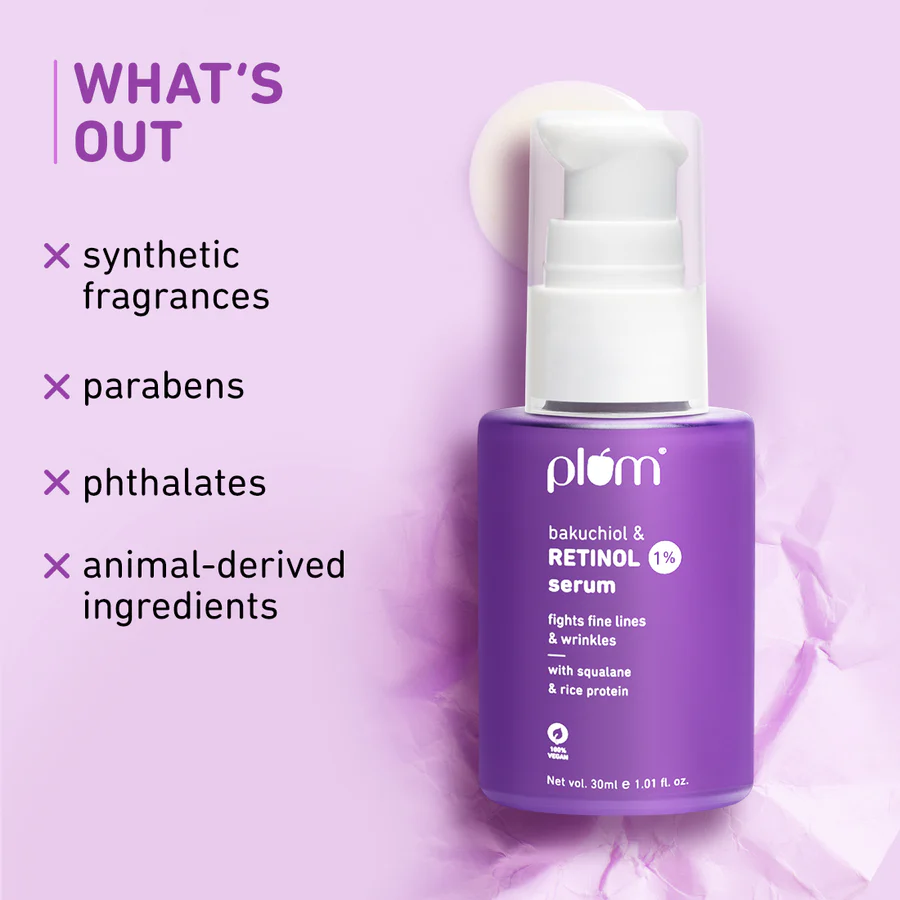
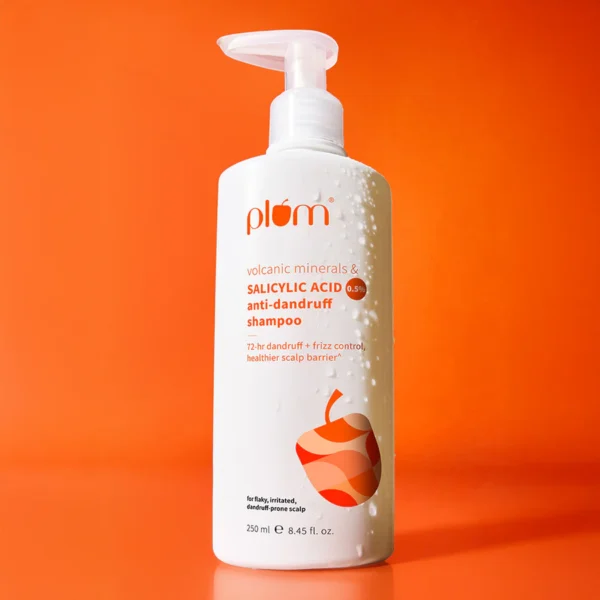
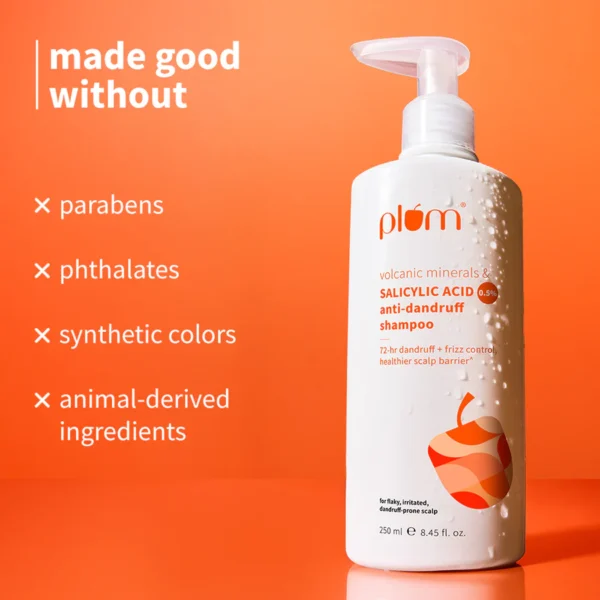
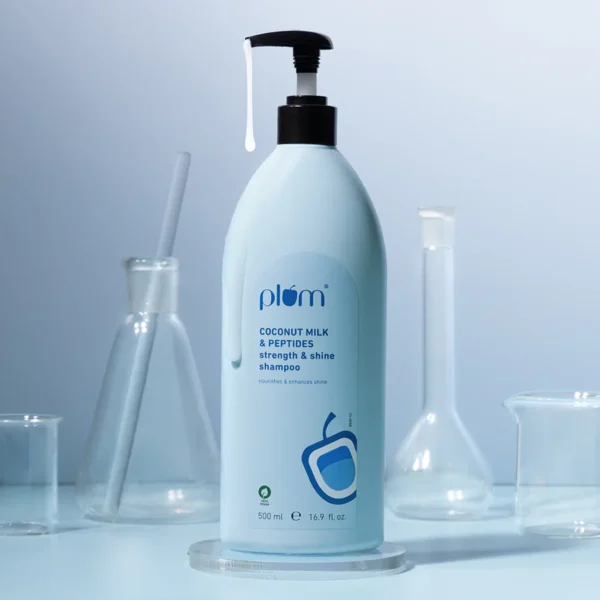
Overview: Plum describes itself as a 100% vegan beauty brand, and this specific shampoo is also labelled 100% Vegan on its product listing. Plum’s vegan positioning is therefore supported at both brand and product level.
Key Ingredients: Coconut milk and pea peptides.
Best For: Dry or frizzy hair that needs softness, smoothing and added shine.
Pros: 100% vegan; cruelty-free; paraben-free; coconut milk and pea peptides help support softer, smoother-looking hair.
Cons: This shampoo contains Sodium Laureth Sulphate (SLES), so it should not be described as sulfate-free.
Why We Recommend It: Plum provides clear product-level vegan labelling, making it straightforward for shoppers to verify that this particular shampoo fits a vegan routine.
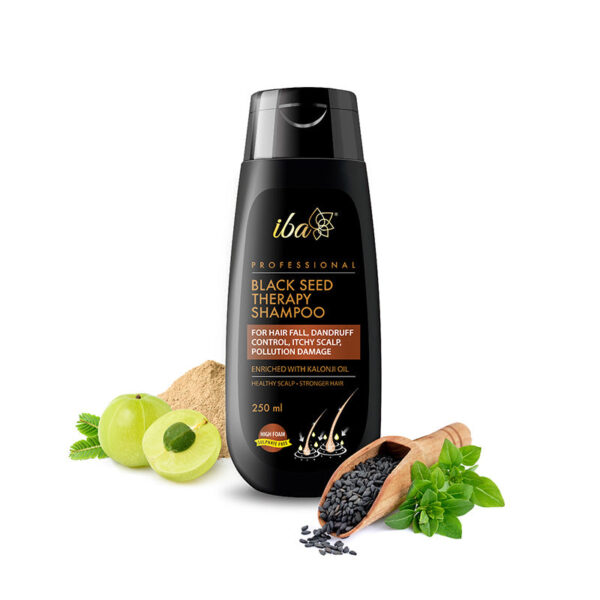
Overview: Iba’s Black Seed Therapy Shampoo is specifically marketed as vegan, cruelty-free, PETA-certified and halal-certified. Unlike relying only on a general brand claim, the product listing itself provides these ethical credentials.
Key Ingredients: Black seed oil, neem extract, amla and zinc pyrithione.
Best For: Hair-fall concerns, dandruff and itchy scalp.
Pros: Vegan and PETA-certified; cruelty-free; sulfate-free; paraben-free; designed specifically around hair and scalp concerns.
Cons: Its targeted scalp-care formula may not be the first choice for people primarily looking for intense moisture for very dry hair.
Why We Recommend It: The combination of a specific product listing and recognised certification makes Iba one of the clearer options for vegan shoppers who want transparency without relying on assumptions.
Overview: mCaffeine has PETA certification supporting its vegan and cruelty-free status, giving its ethical positioning third-party verification rather than relying solely on a self-declared claim.
Key Ingredients: Coffee extract and hair-care actives designed to support stronger, healthier-looking hair.
Best For: Fine or thinning hair and people who prefer a coffee-based hair-care formula.
Pros: PETA-certified vegan and cruelty-free; sulfate-free; paraben-free; silicone-free; widely available.
Cons: The coffee fragrance is distinctive and may not appeal to everyone.
Why We Recommend It: Its PETA certification provides an additional layer of verification for shoppers who specifically want independently supported vegan credentials.
Overview: Arata’s specific shampoo is marketed as a vegan formula, featuring onion oil, argan oil and apple cider vinegar. The brand also has PETA certification for its vegan and cruelty-free positioning. However, Arata’s wider catalogue should not automatically be treated as entirely vegan, so this recommendation is based on the specific shampoo.
Key Ingredients: Onion oil, bhringraj, apple cider vinegar and argan oil.
Best For: Hair-fall and thinning concerns.
Pros: Vegan; PETA-certified brand; free from SLS, parabens and synthetic dyes; designed as a multi-benefit anti-hair-fall formula.
Cons: Because Arata has a wider catalogue, shoppers should check the individual product rather than assuming every product from the brand is vegan.
Why We Recommend It: The specific product’s vegan positioning combined with third-party brand certification makes it a strong choice for shoppers who want a more thoroughly verified option.
Overview: Bare Anatomy takes a more research-driven approach to hair care, and its anti-hair-fall shampoo is marketed with vegan, cruelty-free and sulfate-free claims. The brand also has PETA certification supporting its vegan and cruelty-free status.
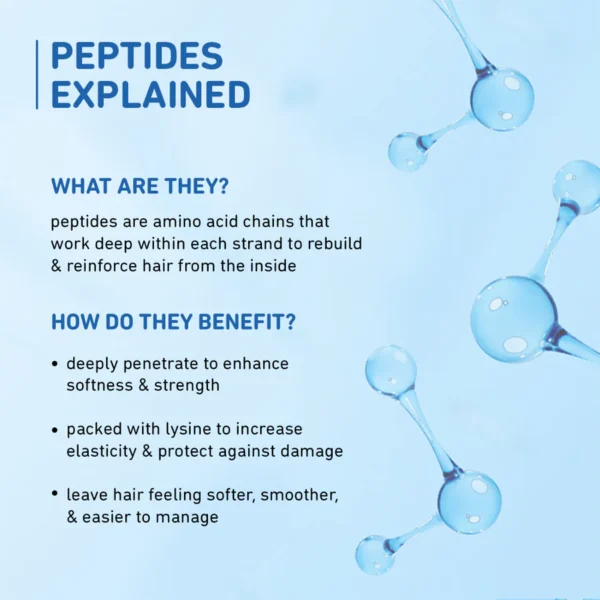
Key Ingredients: Adenosine, peptides and other hair-strengthening actives.
Best For: Weak, thinning or breakage-prone hair.
Pros: Vegan and cruelty-free; PETA-certified brand; sulfate- and paraben-free; focused on strengthening and hair-fall concerns.
Cons: Its more performance-focused formulation may not appeal to shoppers specifically looking for an organic or botanical shampoo.
Why We Recommend It: It offers a useful combination of vegan credentials and a research-oriented formulation for readers who prioritise targeted hair-care solutions.
Overview: Juicy Chemistry’s Moisturising Daily Use Shampoo is explicitly marketed as vegan and cruelty-free and holds Ecocert’s COSMOS certification. Importantly, COSMOS certification relates to organic/natural cosmetics standards and should not itself be presented as vegan certification.
Key Ingredients: Rice water, oat milk and argan oil.
Best For: Dry, frizzy, wavy or moisture-depleted hair.
Pros: Vegan and cruelty-free product claim; COSMOS certified; sulfate-free; paraben-free; silicone-free; designed for gentle cleansing.
Cons: Some users may need an adjustment period when switching from conventional sulfate-based shampoos, and the moisturising effect can vary by hair type.
Why We Recommend It: It is a strong option for shoppers who want a vegan shampoo alongside recognised organic certification, without confusing the two types of certification.
VegGora Transparency Note: Juicy Chemistry should not be described as a 100% vegan brand solely because this specific shampoo is vegan. The recommendation here is based on the product-level vegan claim.
Overview: Soulflower markets its products with vegan and cruelty-free positioning, and this shampoo bar is presented as a vegan option. Because the important distinction is between a specific vegan product and an entirely vegan brand, this article focuses on the shampoo bar itself rather than making a blanket claim about every Soulflower product.
Key Ingredients: Black castor oil, coconut oil, ginger and lemon essential oils.
Best For: Oily scalps with drier lengths and shoppers looking for a plastic-reducing shampoo format.
Pros: Vegan positioning; plastic-free bar format; botanical-focused ingredients; convenient for travel.
Cons: Shampoo bars can require an adjustment period, particularly for people accustomed to liquid shampoos.
Why We Recommend It: It gives readers a genuinely different vegan hair-care format and a lower-packaging alternative to conventional liquid shampoo.
Iba Professional Black Seed Therapy Shampoo is a strong choice for hair-fall concerns, particularly when dandruff or an itchy scalp is also an issue. Its formula includes black seed oil, neem and amla.
Love Beauty & Planet’s Onion, Blackseed & Patchouli Shampoo and Arata’s Regenerating 5-in-1 Super Shampoo both center specifically on onion-based actives, which are widely used across Indian hair care for this concern.
Juicy Chemistry’s Moisturising Daily Use Shampoo and Plum’s Coconut Milk & Peptides Shampoo both lean on moisture-rich, plant-based ingredients suited to drier hair types.
Soulflower’s shampoo bar, used sparingly and focused on the scalp rather than lengths, tends to suit oilier scalp types well given its castor oil base.
Juicy Chemistry Moisturising Daily Use Shampoo is positioned for wavy and curly hair and focuses on gentle cleansing while maintaining moisture.
Bare Anatomy Anti-Hair Fall Shampoo is a good option for weak, breakage-prone hair, with a more performance-focused formula containing strengthening actives such as peptides.
Arata Regenerating 5-in-1 Super Shampoo is specifically listed by the brand as suitable for colour-treated hair, making it a useful option for readers who want to maintain their colour while addressing hair-fall concerns.
mCaffeine Coffee Shampoo is a suitable choice for fine or thinning hair, particularly for shoppers who prefer a coffee-based formula and want a vegan option with third-party certification.
These two terms get conflated constantly, but they answer different questions. Cruelty-free is about the testing process — whether the product or its ingredients were tested on animals at any stage. Vegan is about the ingredients themselves — whether any animal-derived material appears in the formula at all, regardless of testing practices. A shampoo can be cruelty-free without being vegan if it contains something like honey or keratin, which is exactly why checking each product individually — rather than assuming a brand’s general reputation carries over — matters.
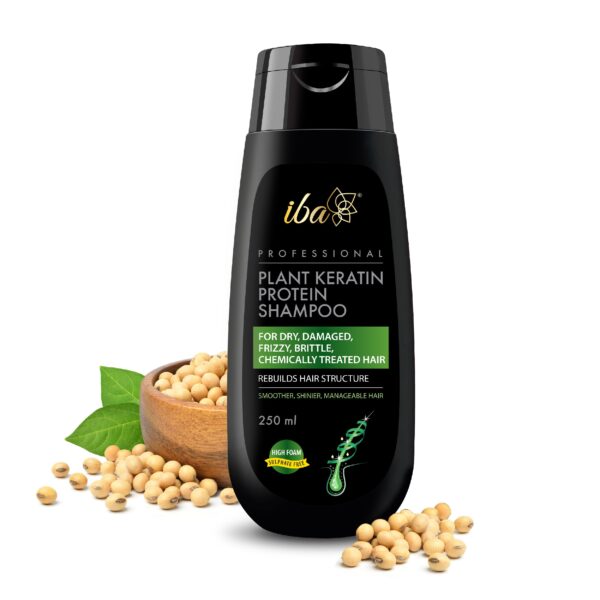
Often sourced from animal hair, hooves, or feathers unless specifically labeled as plant-derived, usually from wheat or soy proteins instead.
Extracted from silkworm cocoons — a non-vegan ingredient unless a brand specifically offers a synthetic or plant-based “vegan silk” alternative.
Traditionally derived from animal connective tissue; vegan alternatives use plant-based amino acids that mimic collagen’s effects instead.
A wax secreted from sheep’s skin glands, used as a moisturizing agent — there’s no vegan version by definition.
Produced by honeybees; even without harming the animal directly, it’s still excluded from vegan formulations.
Check the product listing itself, not just the brand’s general “About Us” page — as this guide found repeatedly, some brands’ overall reputation as “natural” or “cruelty-free” doesn’t automatically extend to every single product in their catalogue. Look for an explicit “vegan” label on the specific item, and treat a third-party certification like PETA’s cruelty-free and vegan program as a stronger signal than a brand’s own unverified claim.
A matching conditioner is formulated to complement its paired shampoo’s cleansing agents, helping seal the cuticle and restore moisture that even a gentle, sulfate-free shampoo can still lift slightly during cleansing.
Most of the brands on this list — Love Beauty & Planet, Plum, IBA Cosmetics, and Arata among them — also offer matching vegan conditioners built around the same active ingredients as their shampoos.
Leave-in options work well for anyone who wants ongoing frizz control or hydration between wash days without a full rinse-out routine.
Rice water is increasingly used in leave-in formulas for its association with added shine and strand smoothness, drawing on a traditional East and South Asian hair care practice.
Coconut milk-based leave-ins tend to suit drier hair types especially well, offering lightweight hydration without weighing down finer strands.
Over-washing can strip natural oils faster than the scalp can replenish them, leaving hair drier over time even with a gentle, sulfate-free formula.
Hot water can open the hair cuticle excessively, making strands more prone to moisture loss — lukewarm or cool water is gentler on both scalp and hair shaft.
Skipping conditioner after a sulfate-free shampoo can leave hair feeling rough, since these gentler formulas don’t always leave the same smoothing residue traditional sulfate shampoos do.
Using a shampoo formulated for oily scalps on already-dry hair (or vice versa) can worsen the exact problem you’re trying to fix — matching the formula to your specific concern matters more than picking whatever’s trending.
Hair growth operates on a cycle of months, not washes — a genuinely good vegan shampoo can improve scalp health and reduce breakage, but it isn’t a substitute for addressing nutritional or medical causes of hair loss.
There is no single best vegan shampoo for everyone. It depends on your hair and scalp needs. Iba Black Seed Therapy Shampoo is a strong option for hair fall and scalp concerns, while Juicy Chemistry is better suited to dry or wavy hair. mCaffeine is worth considering for fine or thinning hair.
Not necessarily. Vegan means a product does not contain animal-derived ingredients, while sulfate-free refers to the type of cleansing agents used in the formula. A shampoo can be vegan without being sulfate-free, so always check both claims separately.
Yes. Love Beauty & Planet states that it makes vegan hair-care products and that its products are PETA-certified. Its official website specifically lists the Onion, Blackseed & Patchouli Shampoo among its vegan hair-care products.
For this list, Iba Black Seed Therapy Shampoo and Arata Regenerating 5-in-1 Super Shampoo are two options specifically positioned around hair-fall concerns. However, shampoo alone should not be considered a treatment for persistent or medically significant hair loss.
A vegan shampoo can contain ingredients designed for scalp and dandruff concerns, but vegan itself does not mean anti-dandruff. If dandruff is persistent, severe or accompanied by significant itching or inflammation, a dedicated anti-dandruff treatment or professional advice may be more appropriate.
Vegan refers to the ingredients and means the product does not contain animal-derived ingredients. Cruelty-free refers to animal testing. A product can be one without necessarily being the other, which is why both claims should be checked separately.
Yes. Vegan shampoos are not inherently gender-specific. The better way to choose one is according to your hair type, scalp condition and specific concern, rather than whether the product is marketed toward men or women.
There is no fixed washing schedule simply because a shampoo is vegan. Frequency depends on your scalp, hair type, lifestyle and the specific formula. Oily scalps may need more frequent washing, while dry or curly hair may need less frequent cleansing. Follow the product's directions and adjust according to how your scalp and hair respond.
Iba Professional Black Seed Therapy Shampoo — a strong all-round choice with a clearly stated vegan, cruelty-free and PETA-certified status. It is particularly suited to shoppers looking for a vegan shampoo for hair fall, dandruff and itchy-scalp concerns.
Soulflower Let Your Hair Down Shampoo Bar — a vegan shampoo-bar option for readers looking for a different, lower-packaging hair-care format.
Juicy Chemistry Moisturising Daily Use Shampoo — a COSMOS ORGANIC-certified, sulfate-free formula with rice water, oat milk and argan oil, designed for dry, frizzy and wavy hair. The product is also confirmed by the brand as vegan and cruelty-free.
Iba Professional Black Seed Therapy Shampoo — specifically formulated for hair-fall, dandruff and itchy-scalp concerns, with black seed oil, neem and gooseberry.
Plum Coconut Milk & Peptides Shampoo — a vegan option focused on softness, smoothing and shine for dry or frizzy hair.
Final thought: Whatever you choose, check the specific product, not just the brand name. “Natural,” “herbal,” or even “cruelty-free” does not automatically mean vegan. Look for an explicit vegan claim or credible third-party certification, and consider the brand’s parent company if that matters to your ethical choices.
Product information in this guide is based on official brand websites, brand-controlled retailer listings (including Amazon and Flipkart), and third-party certification sources as of 2026, including PETA’s Cruelty-Free Company Database and Ecocert’s COSMOS standard. Formulations and certifications can change over time — always check current packaging and brand documentation before purchasing.
Your choices can help protect innocent lives.
No spam. Only vegan tips, cruelty-free updates & animal awareness 🐾


 Vegan FoodBaby & MomBeautyFashionPet & Animal CareHealth & WellnessHome & Cleaning Essentials
No account yet?
Create an Account