-49% Hot
Price range: ₹359.00 through ₹699.00
-43% Hot
Original price was: ₹699.00.₹399.00Current price is: ₹399.00.
-44% New
Price range: ₹249.00 through ₹449.00
-53% Hot
Price range: ₹300.00 through ₹470.00
 Vegan Food
 Baby & Mom
 Beauty
 Fashion
 Pet & Animal Care
 Health & Wellness
 Home & Cleaning Essentials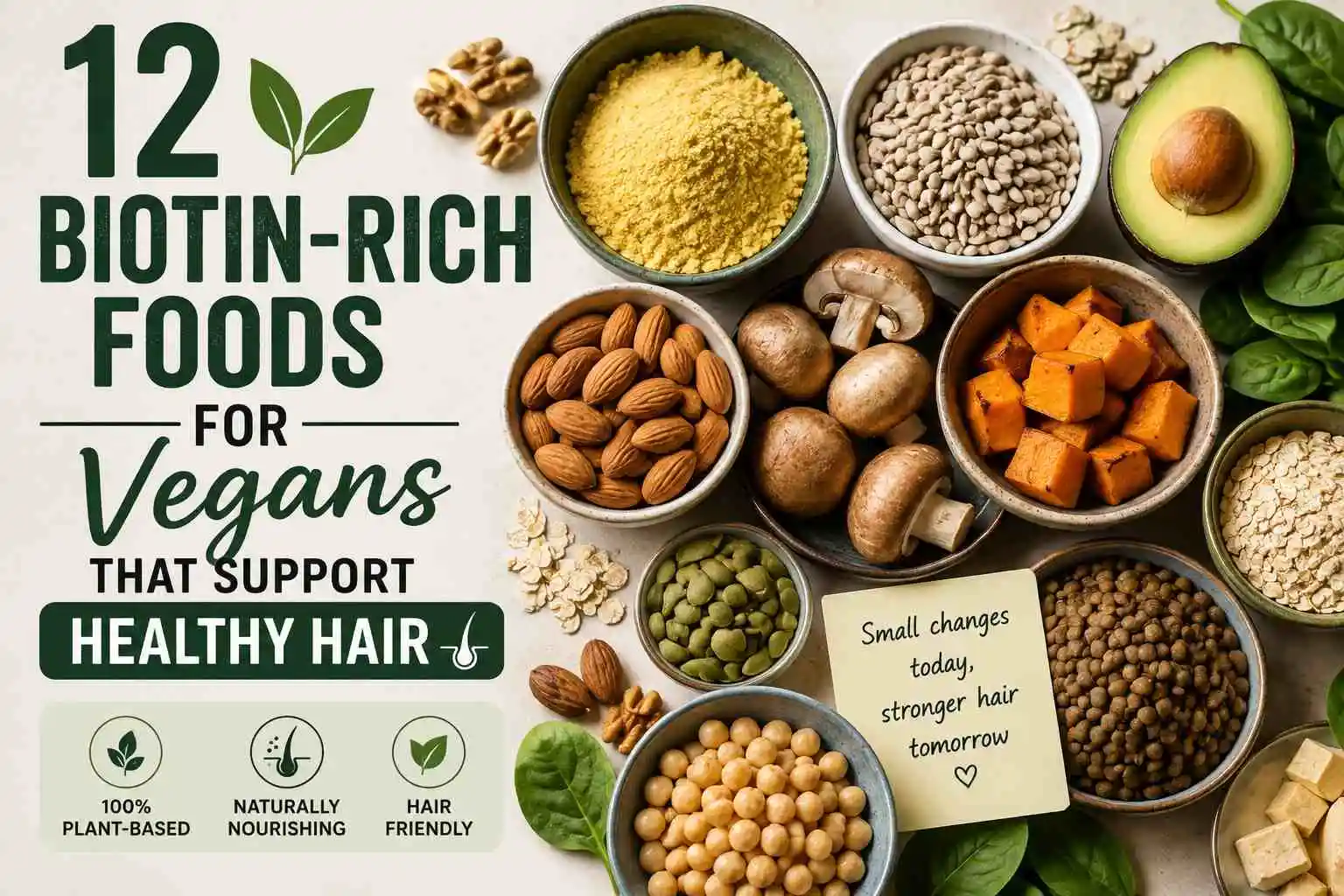
Biotin gets mentioned in almost every hair growth conversation, but very few articles explain where it actually comes from if you don’t eat eggs, liver, or fish — the three foods most biotin lists lean on hardest. That gap is exactly why vegans end up searching for this topic more than most: the usual answer to “how do I get more biotin” assumes a diet you’ve already ruled out.
Here’s the more useful starting point. Biotin (vitamin B7) is a water-soluble B vitamin your body uses to convert food into energy, and it plays a supporting role in keratin production, which is the protein your hair is largely made of. According to the National Institutes of Health’s Office of Dietary Supplements, most healthy adults need just 30 micrograms (mcg) a day, and true deficiency is genuinely rare — which means, for most people, food alone is enough. Supplements aren’t automatically necessary, though there are situations where they help, which we’ll get into later.
In this guide, you’ll get a sourced comparison table of the best vegan biotin foods, a ranked list of 12 to actually add to your kitchen, an honest look at when food alone isn’t quite enough, a full one-day vegan meal plan, and answers to the questions vegans actually type into Google about this topic.
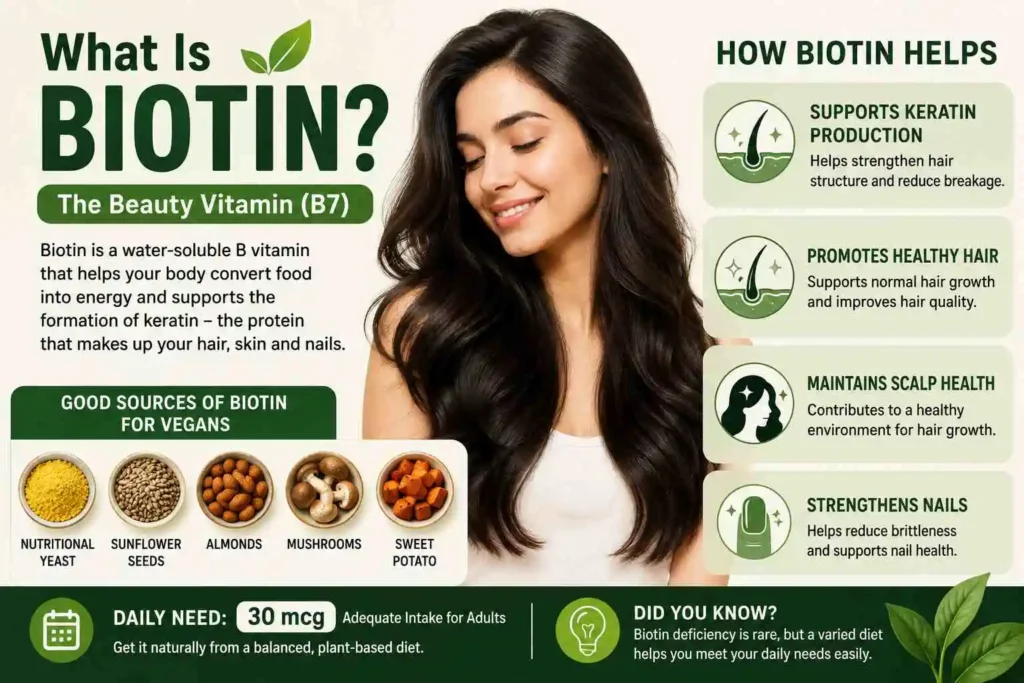
Biotin, also called vitamin B7, is one of the eight B vitamins, and like the others, it’s water-soluble — meaning your body doesn’t store large reserves of it, so you need a steady supply from food. Its main job is helping enzymes break down fats, carbohydrates, and proteins into usable energy, according to the Harvard T.H. Chan School of Public Health’s Nutrition Source.
Hair is made mostly of a protein called keratin, and biotin acts as a coenzyme in the metabolic pathways that support keratin infrastructure. That said, it’s worth being upfront about the actual evidence here: Harvard’s Nutrition Source notes that while a biotin deficiency can cause hair loss, the evidence that biotin supplementation improves hair in people who aren’t deficient is limited to a handful of small case studies, some of which had weak study design. In other words, biotin matters — but mostly in the sense that not having enough of it causes problems, not that flooding your system with extra biotin guarantees faster growth.
According to NIH’s consumer fact sheet, biotin deficiency can cause thinning hair, hair loss on the body more broadly, a rash around the eyes, nose, and mouth, and brittle nails. It’s genuinely uncommon in people eating a varied diet, but certain groups are more at risk, including people with a rare genetic condition called biotinidase deficiency, and — relevant here — anyone with a restrictive or very limited diet.
The NIH sets the Adequate Intake (AI) for biotin at 30 mcg per day for adults and children over four. Unlike some vitamins, there isn’t an official Recommended Dietary Allowance (RDA) for biotin, because the Food and Nutrition Board found the available research insufficient to set one — the 30 mcg figure is an estimate designed to cover nutritional adequacy, not a precisely calculated requirement.
Before the detailed breakdown, here’s the number you’ll actually want to screenshot. One caveat worth flagging honestly: the NIH’s own fact sheet notes that USDA’s FoodData Central does not maintain an official biotin content database for foods, which is why biotin numbers vary somewhat between sources. The figures below are drawn from peer-reviewed HPLC-based food composition analysis, cited by Healthline, and should be treated as reliable estimates rather than exact lab values for every specific batch or brand.
Food | Serving Size | Approximate Biotin Content | Best Way to Eat It |
Nutritional Yeast | 2 tbsp (16g) | Up to 21 mcg | Stirred into dal, pasta, or popcorn |
Sunflower Seeds | ¼ cup (30g) | ~2.6 mcg | Roasted as a snack or on salads |
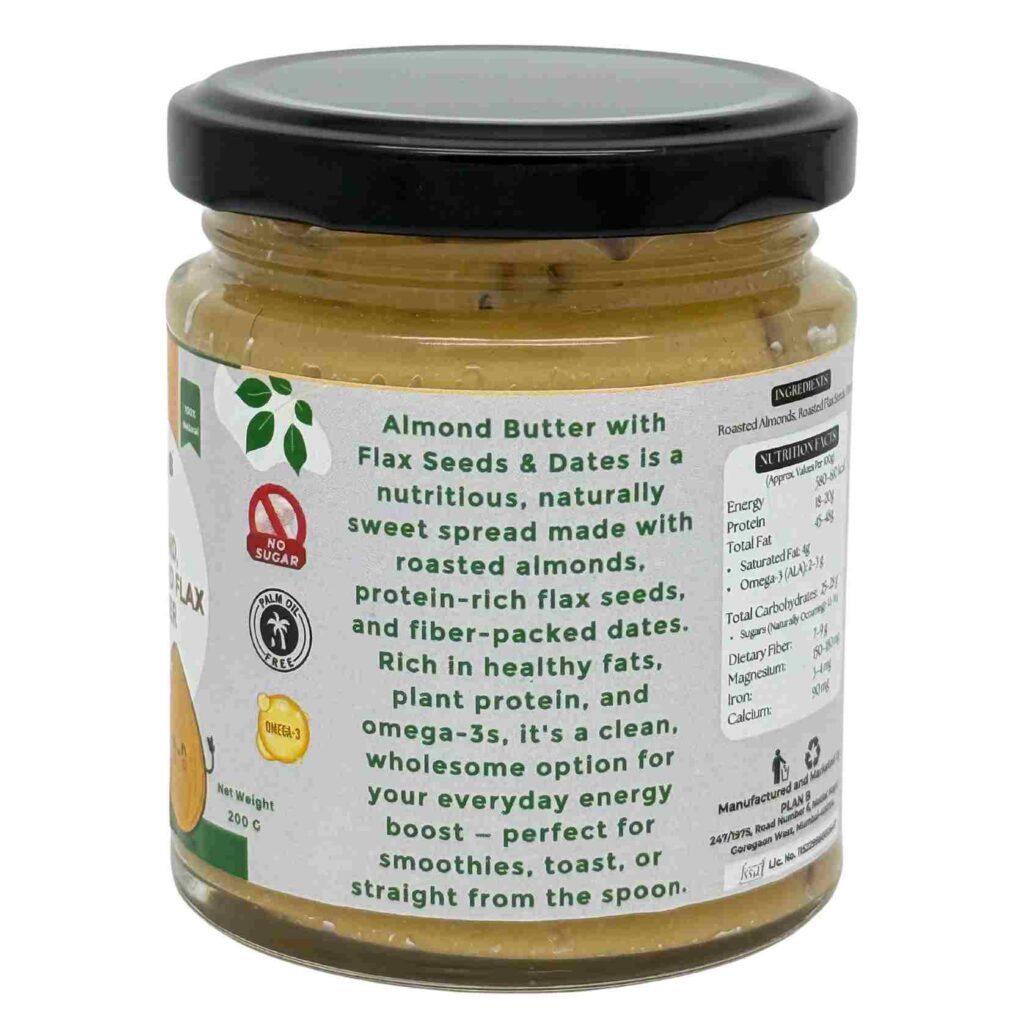
Almonds | ¼ cup (30g) | ~1.5 mcg | Soaked overnight, or as almond butter |
Sweet Potato | ½ cup cooked (125g) | ~2.4 mcg | Roasted, mashed, or in curries |
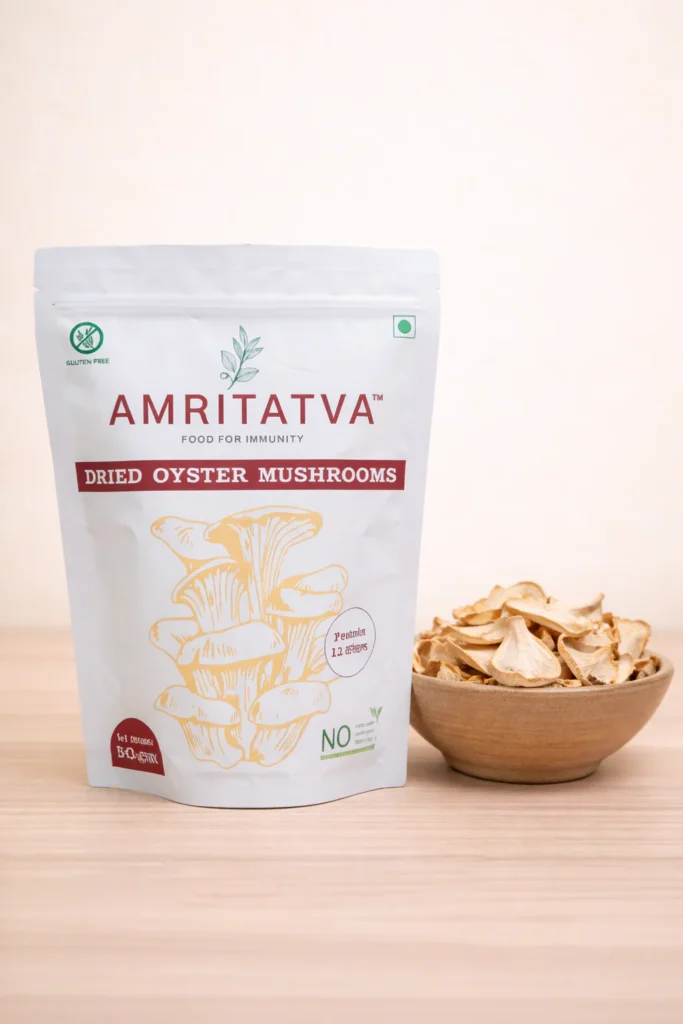
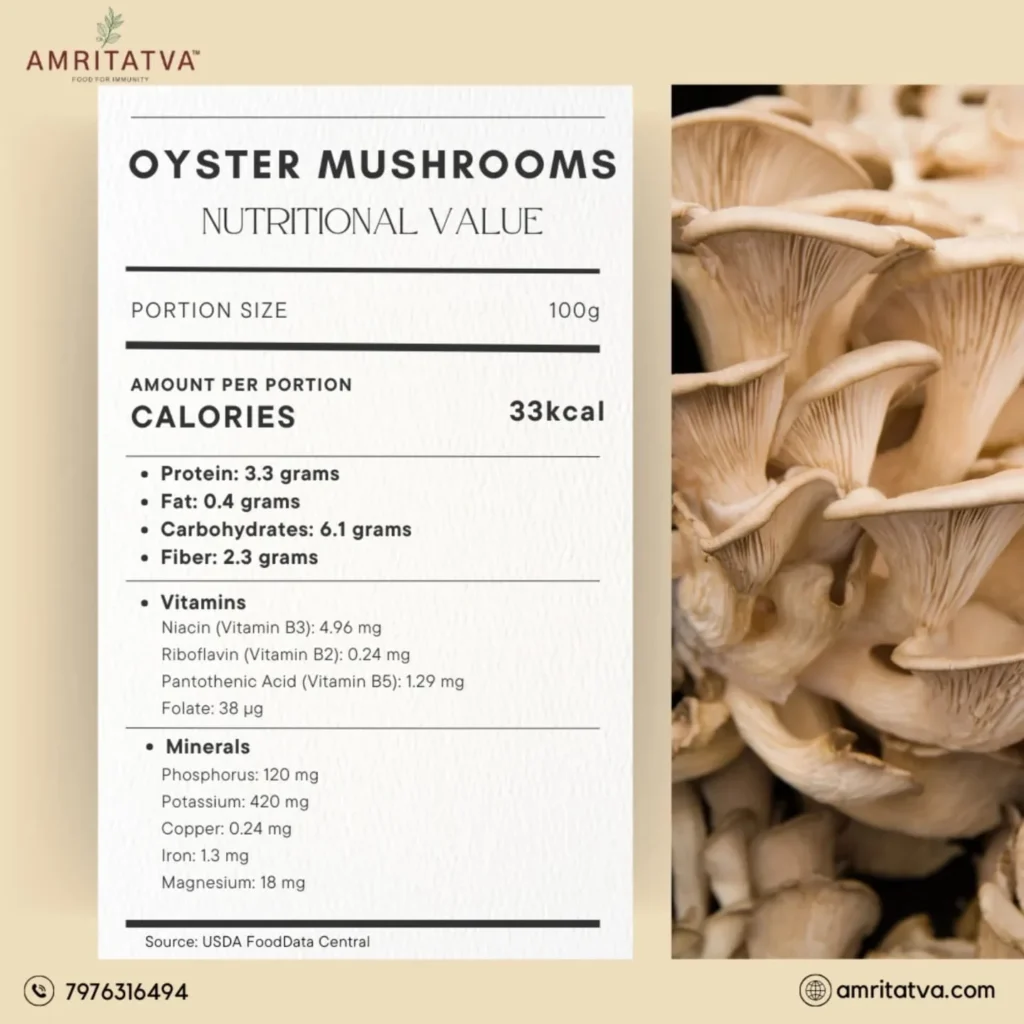
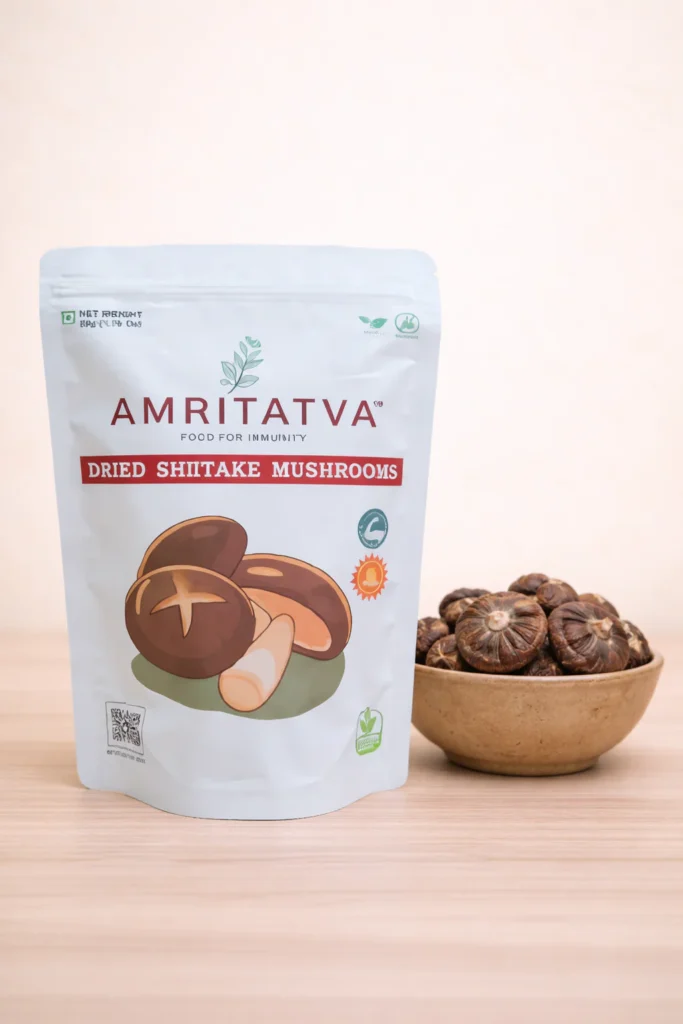
Mushrooms | 1 cup fresh, chopped (70g) | ~5.6 mcg | Sautéed in Indian-style bhurji |
Avocado | 1 medium (200g) | ~1.85 mcg | Mashed on toast or in chutneys |
Spinach | ½ cup cooked (64g) | ~0.5 mcg | Palak sabzi or in smoothies |
Banana | 1 small (105g) | ~0.2 mcg | Standalone snack or in smoothies |
Walnuts | ¼ cup (30g) | Moderate source* | Soaked, or added to trail mix |
Oats | 1 cup cooked | Moderate source* | Porridge, upma-style, or overnight oats |
Soybeans | 100g | Notable source* | Boiled edamame or soy chunks (soya bhurji) |
Lentils | 1 cup cooked | Modest source* | Dal — a daily staple in most Indian diets |
*Walnuts, oats, soybeans, and lentils are consistently listed as biotin contributors across nutrition sources, though exact mcg figures vary more between food composition studies than the items above — treat these as reasonably good, but less precisely measured, sources.
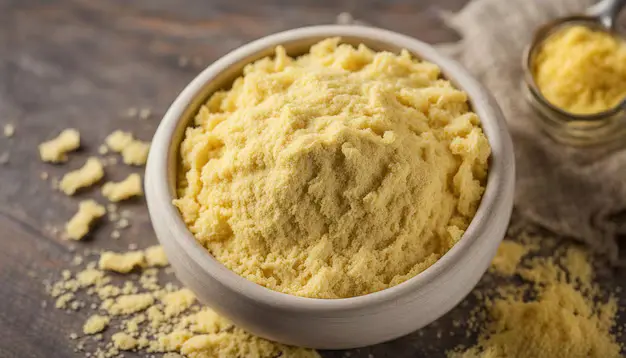
Biotin Content: One of the richest plant-based sources available — up to 21 mcg per 2 tablespoons (16g), which can cover roughly two-thirds of the daily 30 mcg target in a single serving, per Healthline’s sourced breakdown. It’s worth noting the exact amount varies by brand and whether it’s fortified.
Hair Growth Benefits: Beyond biotin, nutritional yeast is a complete protein and typically fortified with B12 — a nutrient vegans need to actively supplement or source fortified foods for, and one that also plays a role in scalp health.
How to Use in Indian Meals: Stir a spoonful into dal, rajma, or khichdi right at the end of cooking, or sprinkle it over popcorn and roasted makhana for a cheesy, umami flavor without dairy.
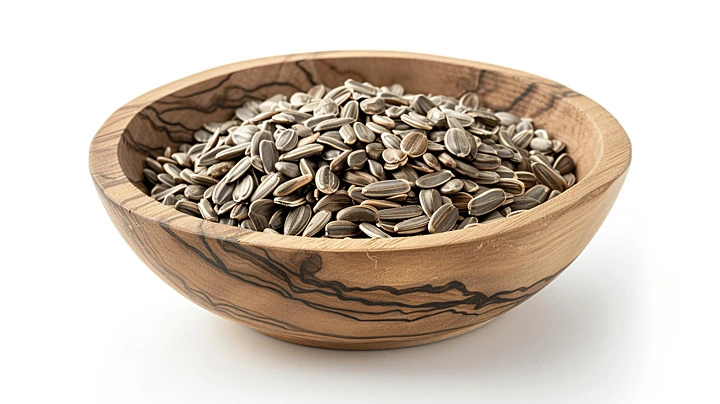
Biotin Content: Roughly 2.6 mcg per ¼ cup (30g) serving.
Hair Growth Benefits: Sunflower seeds also carry vitamin E and healthy fats, both of which support scalp circulation alongside their biotin content.
How to Use in Indian Meals: Roast and toss into chikki, sprinkle over salads, or add to homemade trail mix alongside almonds and raisins.
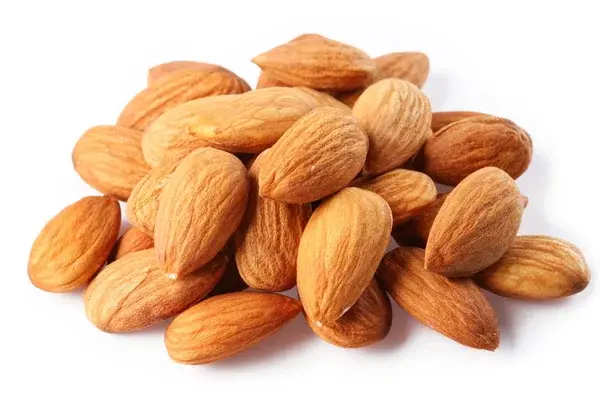
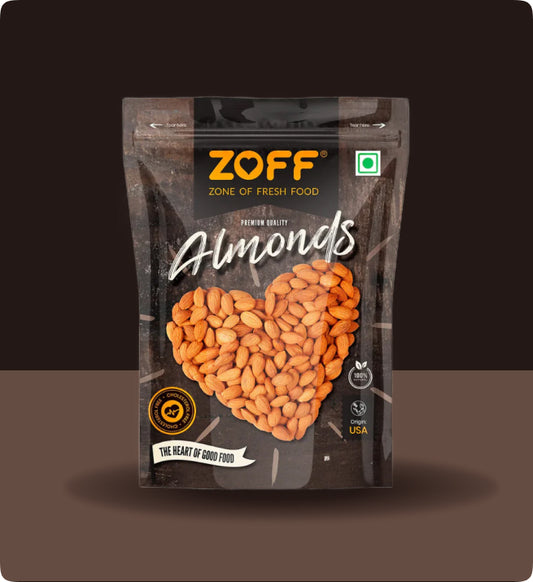
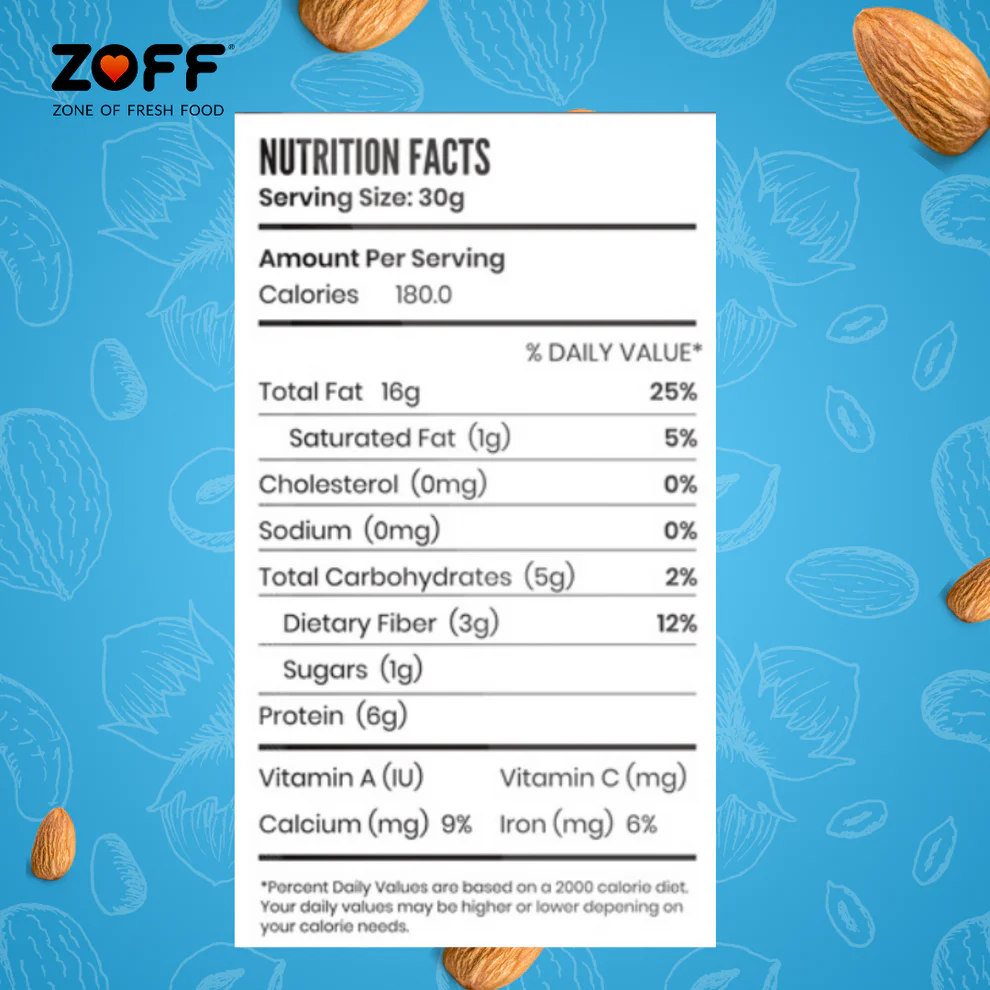
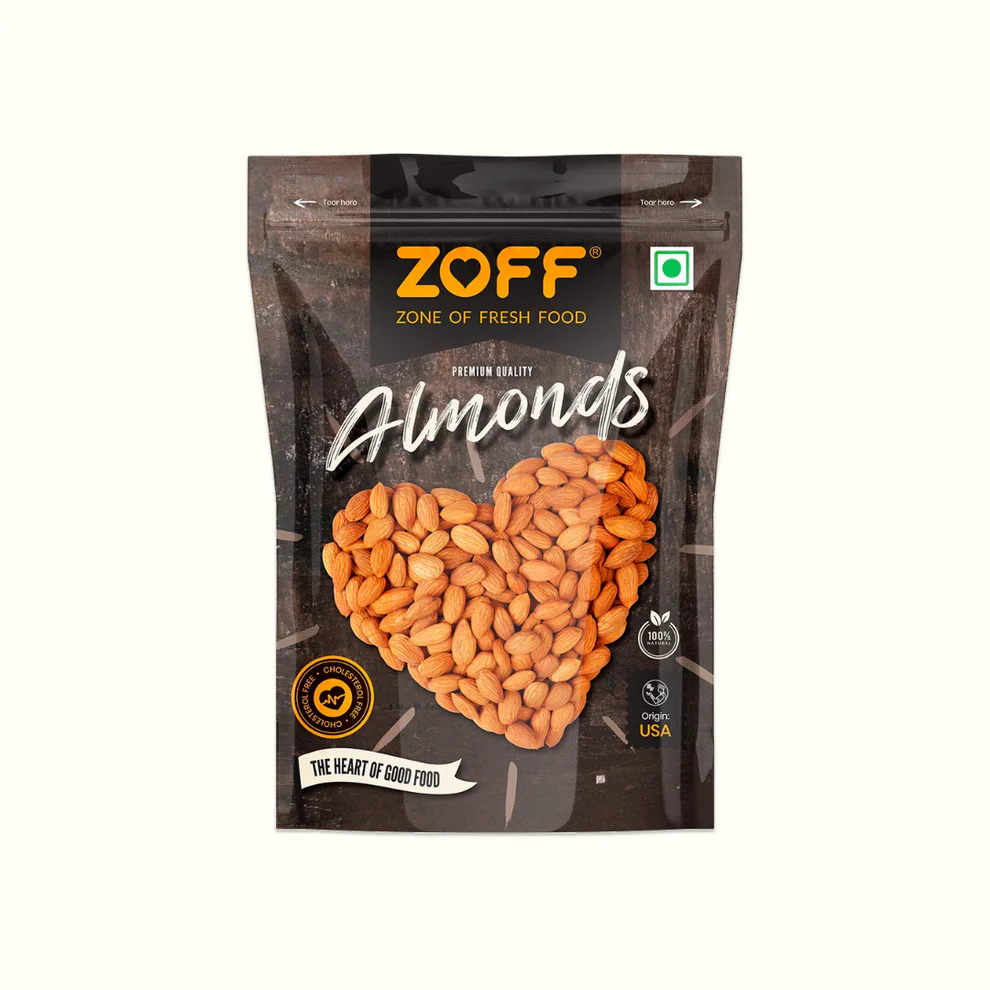
Biotin Content: About 1.5 mcg per ¼ cup (30g) of roasted almonds.
Hair Growth Benefits: Almonds also bring vitamin E and magnesium to the table, both linked to scalp and follicle health in a broader nutritional sense.
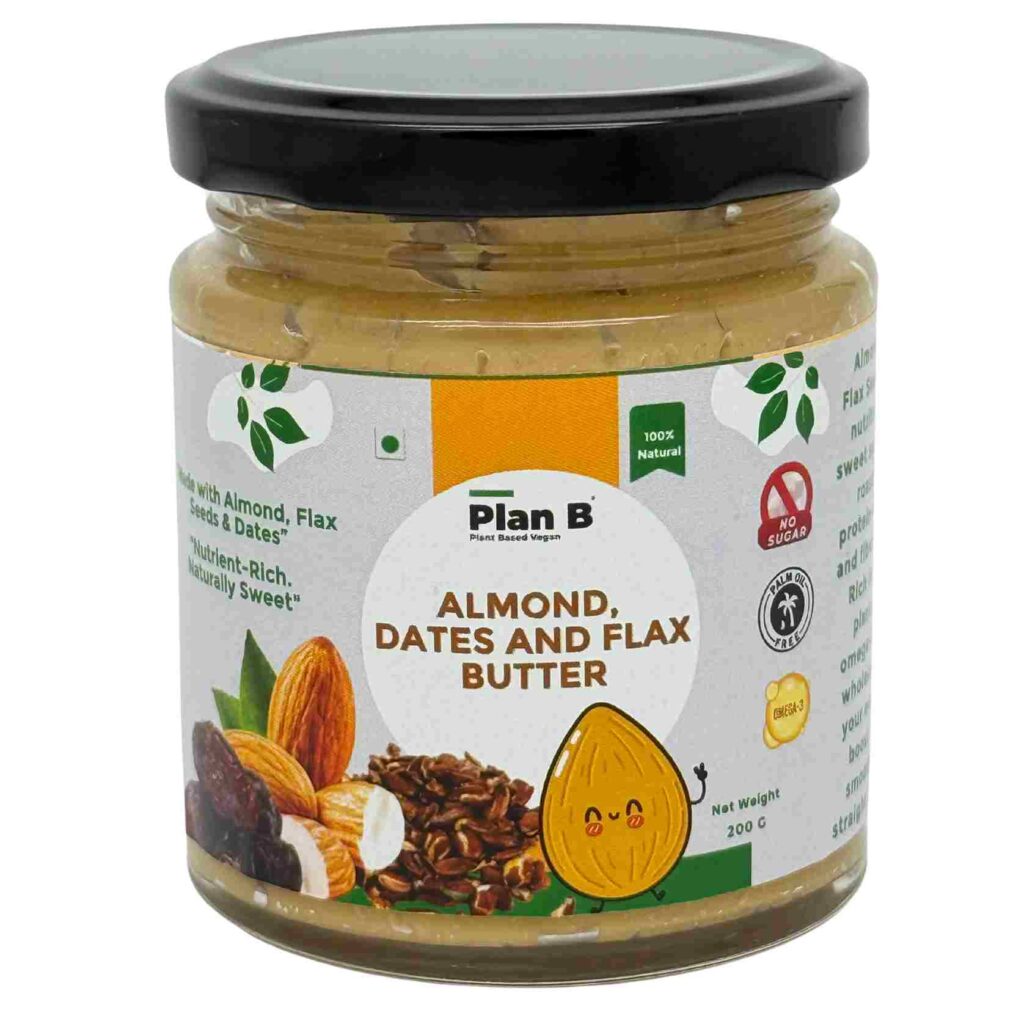
How to Use in Indian Meals: Soak overnight and eat with breakfast, blend into badam milk, or use as a base for homemade almond butter.
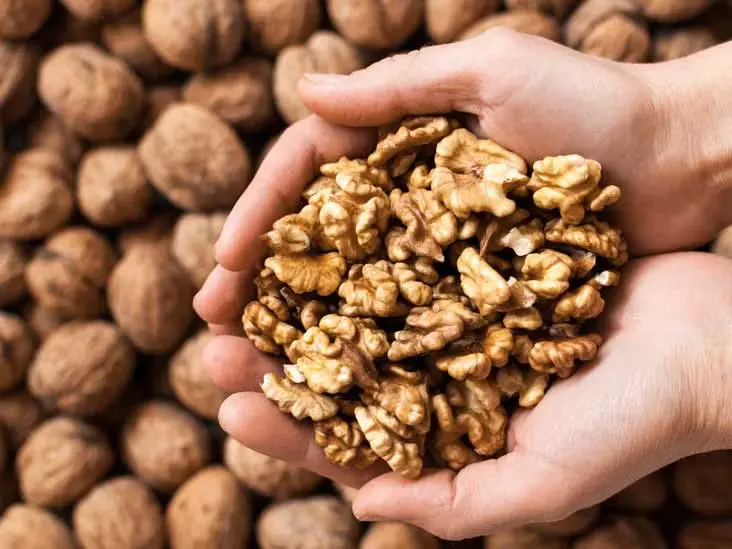
Biotin Content: Consistently listed as a biotin contributor, though less precisely quantified across food composition sources compared to almonds or sunflower seeds.
Hair Growth Benefits: Walnuts are one of the better plant sources of omega-3 fatty acids, which support scalp health alongside their biotin contribution.
How to Use in Indian Meals: Add to homemade laddoos, blend into chutneys, or eat as a standalone snack.
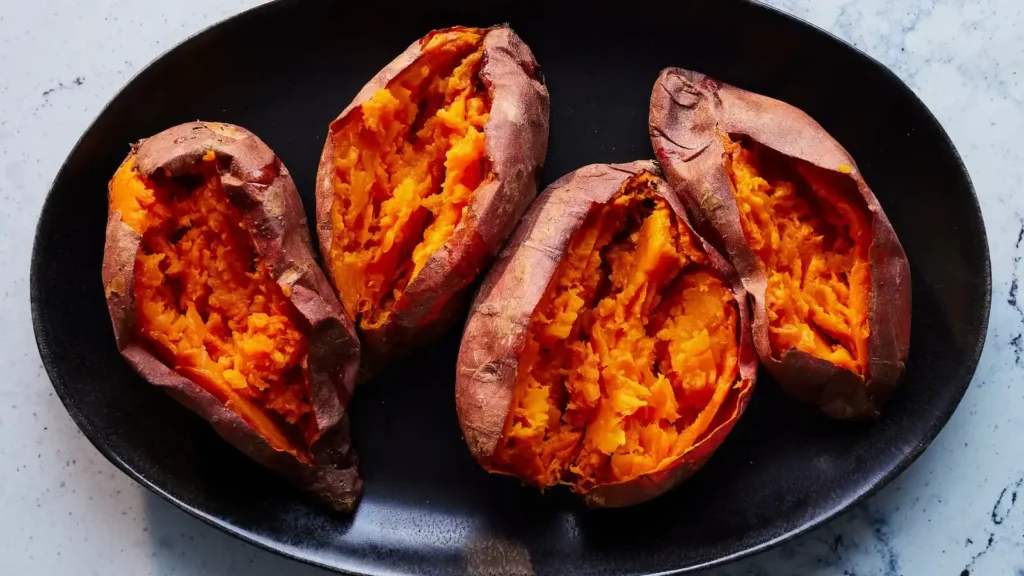
Biotin Content: About 2.4 mcg per ½ cup (125g) cooked serving.
Hair Growth Benefits: Sweet potatoes are also rich in beta-carotene, which the body converts to vitamin A — important for scalp cell turnover, though excessive vitamin A intake can paradoxically contribute to hair shedding, so moderation matters.
How to Use in Indian Meals: Roast as a side, mash into tikkis, or add to a mixed vegetable curry.
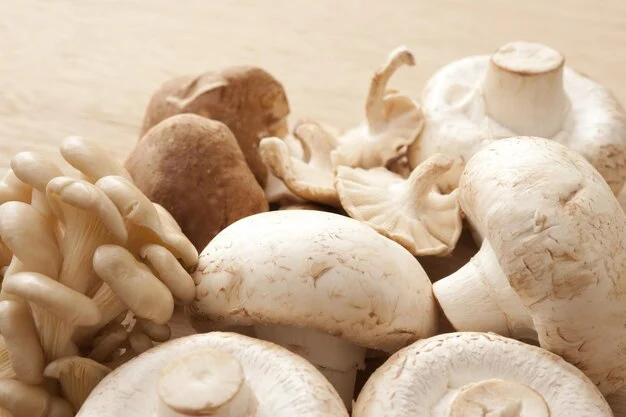
Biotin Content: Around 5.6 mcg per cup (70g) of fresh, chopped button mushrooms — canned varieties measure somewhat lower, at roughly 2.6 mcg per 120g serving.
Hair Growth Benefits: Mushrooms naturally accumulate biotin as a defense mechanism against parasites, which is part of why they rank unusually high among vegetables for this nutrient.
How to Use in Indian Meals: Sauté into a simple mushroom bhurji with onions and spices, or add to a creamy mushroom masala.
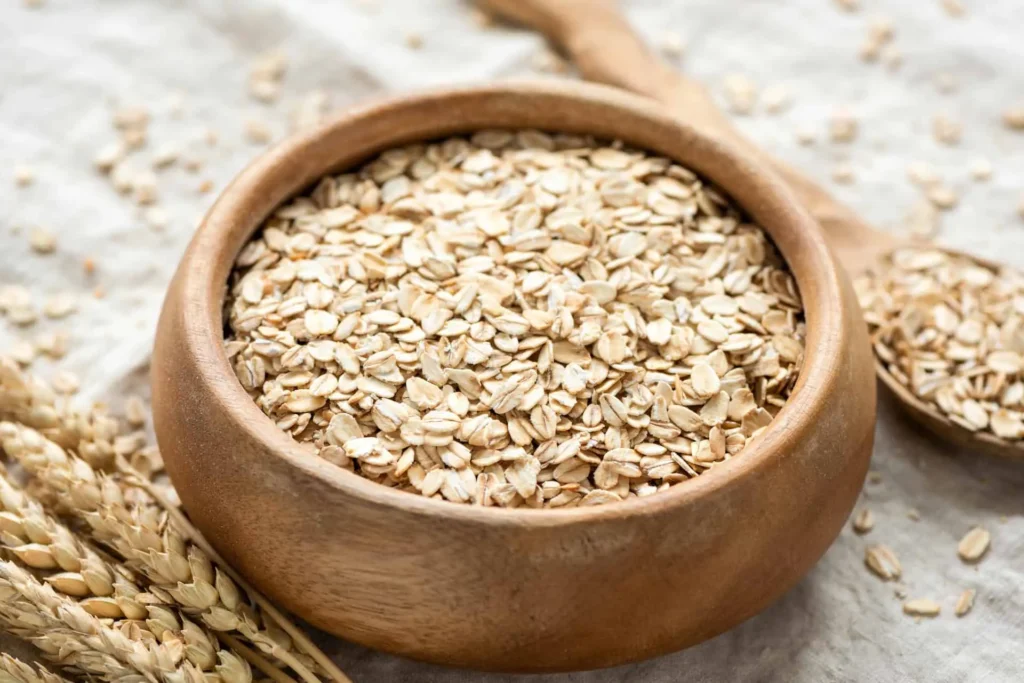
Biotin Content: Generally recognized as a contributing source of biotin, though reported values vary noticeably between different food composition references.
Hair Growth Benefits: Oats bring fiber and B-complex vitamins more broadly, supporting overall metabolic health that indirectly benefits hair growth cycles.
How to Use in Indian Meals: Cook as a savory oats upma with vegetables, or make traditional overnight oats with plant milk and fruit.
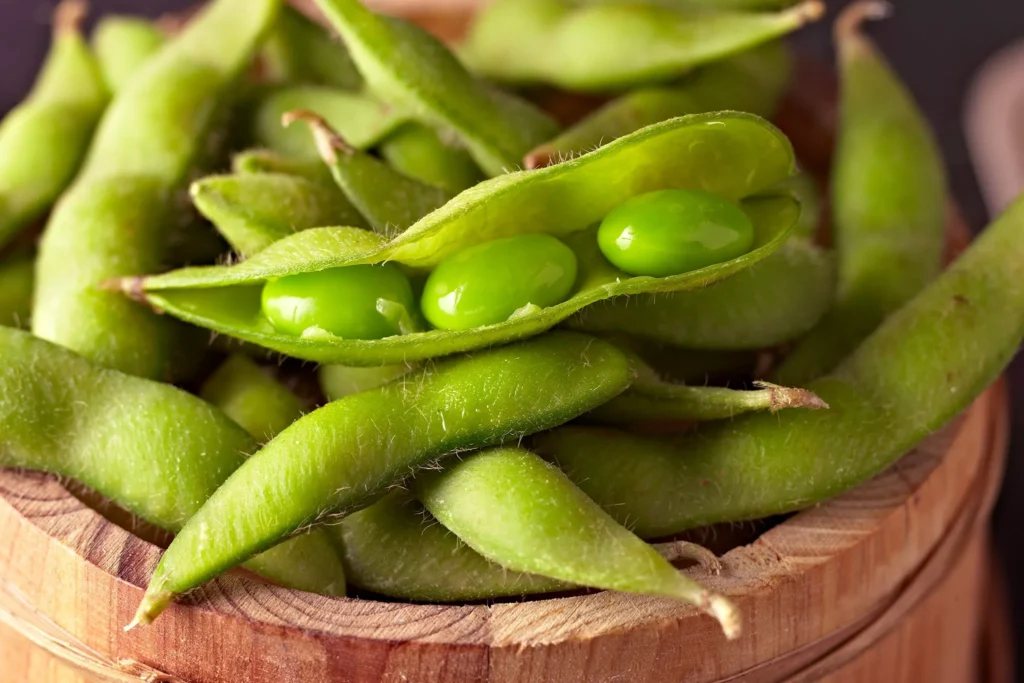
Biotin Content: Frequently cited as one of the richer legume sources of biotin, with estimates for 100g approaching the daily adequate intake on their own, though the exact figure varies by source.
Hair Growth Benefits: Soybeans are also one of the most complete plant protein sources available, and adequate protein intake is itself essential for healthy hair growth — arguably as important as biotin itself.
How to Use in Indian Meals: Cook soya chunks into a bhurji or curry, or steam edamame with a pinch of chaat masala.
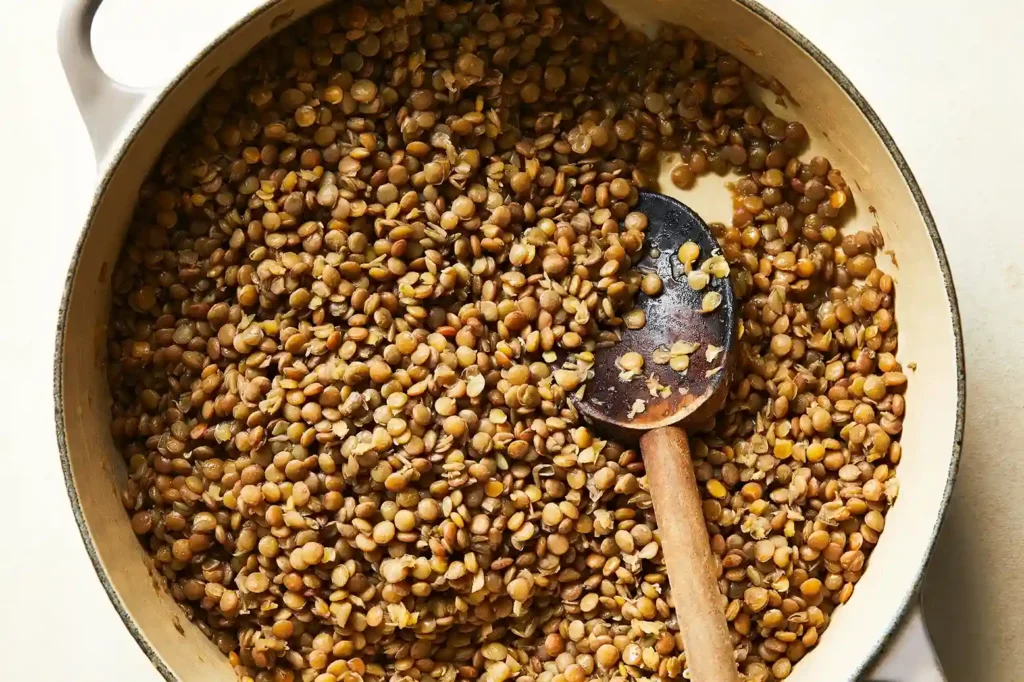
Biotin Content: A modest but consistent contributor, and valuable simply because lentils and dals are eaten daily in most Indian households.
Hair Growth Benefits: Lentils bring iron and protein alongside their biotin content — both nutrients where deficiency is independently linked to hair thinning, particularly in vegetarian and vegan diets.
How to Use in Indian Meals: Any dal — toor, moong, masoor, chana — counts, and rotating types across the week adds nutritional variety beyond biotin alone.
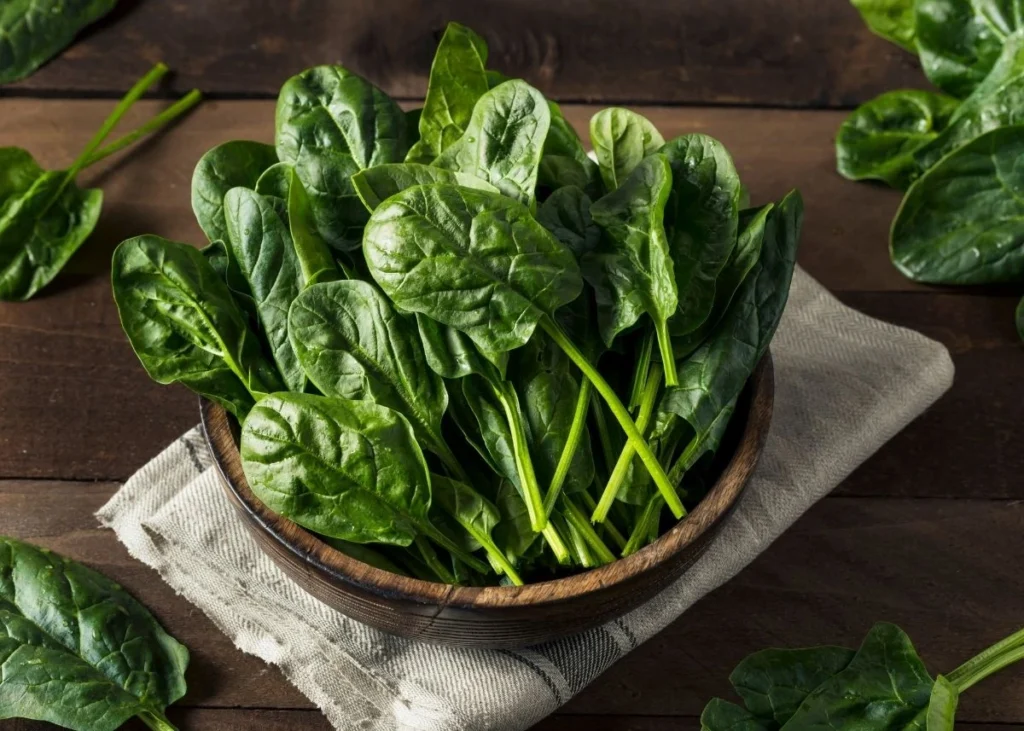
Biotin Content: About 0.5 mcg per ½ cup (64g) cooked serving — modest on its own, but useful as part of a broader nutrient-dense diet.
Hair Growth Benefits: Spinach’s real hair-health value comes from its iron and folate content, which support the oxygen supply hair follicles need to function properly.
How to Use in Indian Meals: Classic palak sabzi, added to dal, or blended into a smoothie with banana.
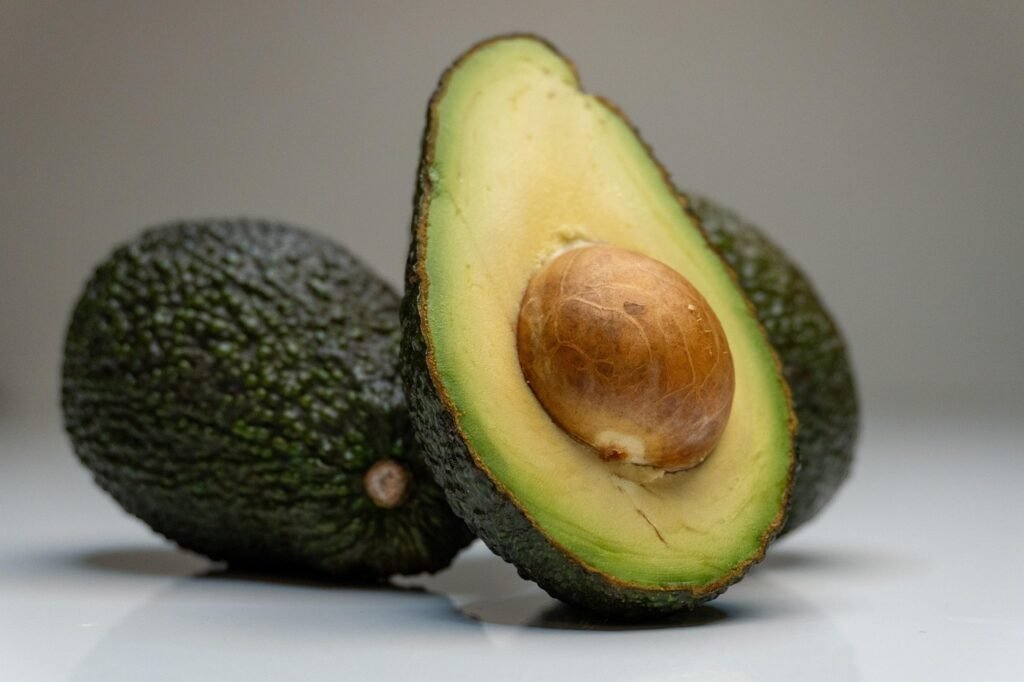
Biotin Content: About 1.85 mcg per medium avocado (200g).
Hair Growth Benefits: Avocado’s healthy fat content supports the absorption of fat-soluble vitamins relevant to scalp health, alongside its own biotin contribution.
How to Use in Indian Meals: Mash into a simple chutney with lemon and chili, or add to a fruit chaat for texture.
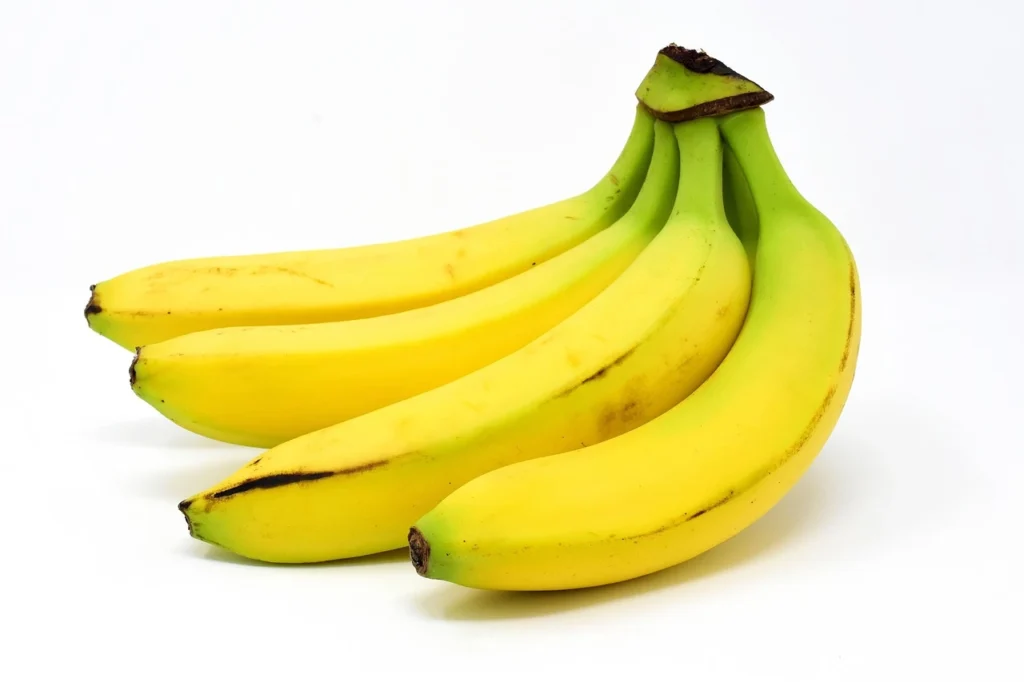
Biotin Content: A modest ~0.2 mcg per small banana (105g) — one of the lowest on this list, but worth including for its convenience and consistency in most Indian diets.
Hair Growth Benefits: Bananas contribute potassium and B6 alongside their small biotin content, both supporting general nutrient balance.
How to Use in Indian Meals: Eaten on its own, blended into a smoothie, or sliced over oats.
For most healthy adults eating a varied, balanced vegan diet, food alone comfortably meets the 30 mcg daily biotin target — genuine deficiency is rare, and as covered above, USDA doesn’t even maintain a standardized biotin database because dietary shortfalls are uncommon enough that it hasn’t been a research priority.
Restrictive diets, certain medications (particularly some anticonvulsants), chronic alcohol use, and rare genetic conditions like biotinidase deficiency can all increase biotin needs or impair absorption, according to NIH’s health professional fact sheet. If you suspect a deficiency rather than simply wanting a “hair growth boost,” that’s a conversation for a doctor, not a supplement aisle decision.
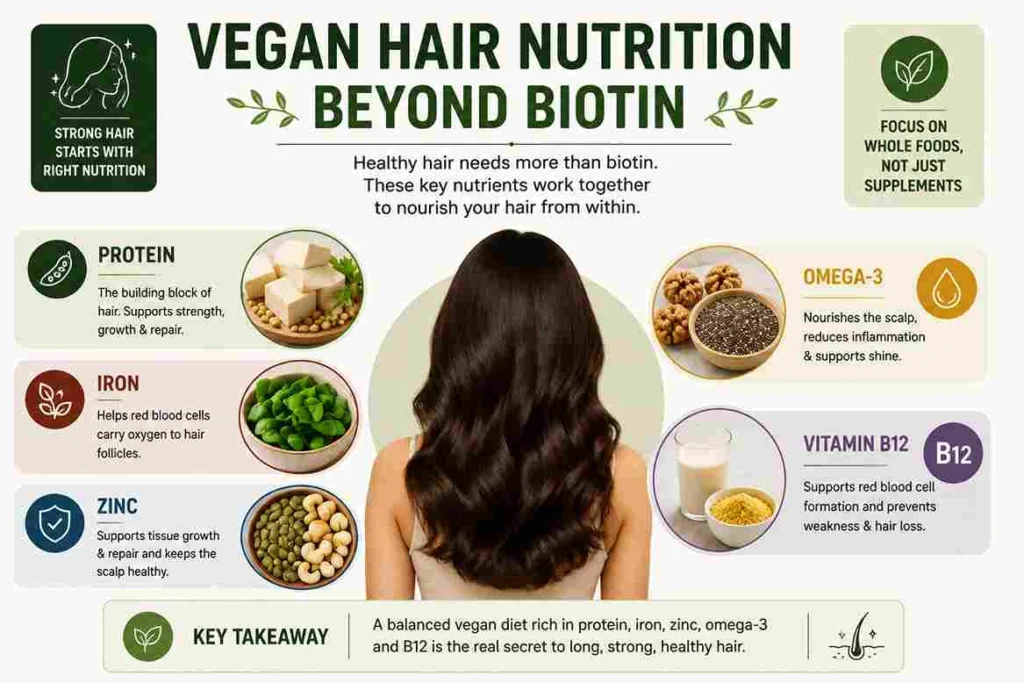
Biotin gets disproportionate attention, but it’s genuinely one piece of a larger picture.
Hair is structurally built from protein, and inadequate protein intake is one of the more common, overlooked causes of hair thinning in restrictive diets.
Iron deficiency is a well-documented cause of hair loss, and vegans are statistically more likely to run low on iron than omnivores due to the lower bioavailability of plant-based (non-heme) iron.
Zinc supports the hair follicle growth cycle, and deficiency has been associated with hair shedding in clinical literature.
B12 is essentially absent from unfortified plant foods, making it one of the few nutrients vegans genuinely need to supplement or source through fortified products — and it plays a role in the same energy metabolism pathways that support healthy hair growth.
Omega-3 fatty acids support scalp health and reduce inflammation that can otherwise interfere with the hair growth cycle.
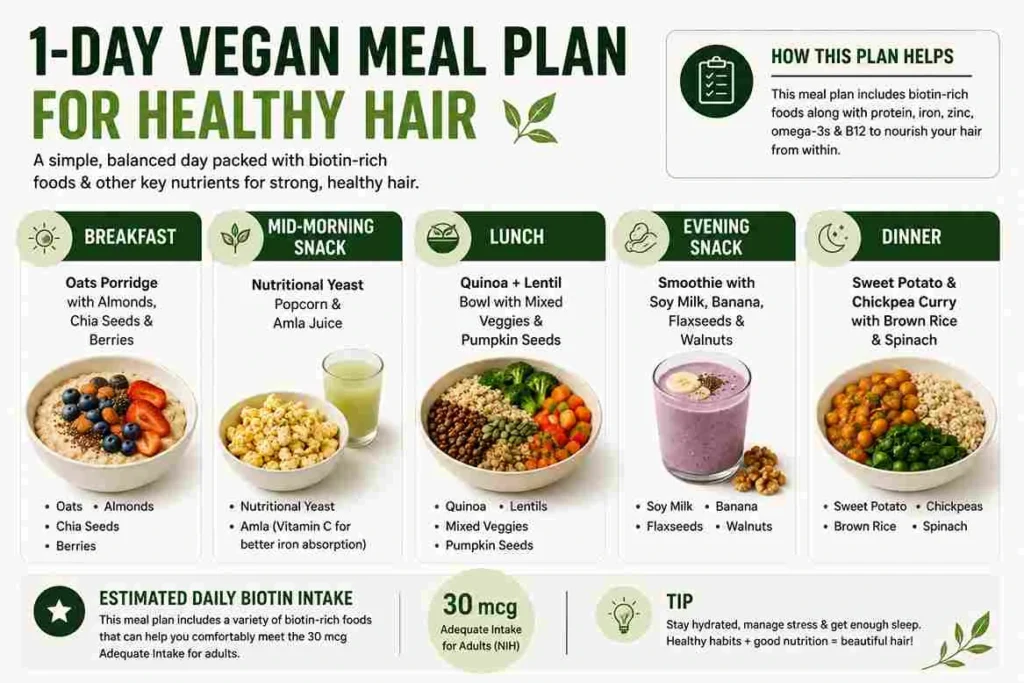
Overnight oats made with plant milk, topped with a sliced banana and a tablespoon of sunflower seeds.
A small handful of soaked almonds and walnuts.
Moong dal, sautéed spinach sabzi, and roasted sweet potato, with a spoonful of nutritional yeast stirred into the dal.
Mashed avocado chutney with whole-grain crackers or roti strips.
Soya chunk bhurji with a mushroom side, served with a mixed dal.
Rough addition across this day’s meals — oats, banana, sunflower seeds, almonds, walnuts, spinach, sweet potato, nutritional yeast, avocado, soya, and mushrooms — comfortably clears the 30 mcg adequate intake, with nutritional yeast alone contributing the largest single share. Exact totals will vary by portion size and specific brand of nutritional yeast used, but this structure is a realistic, achievable template rather than a theoretical best case.
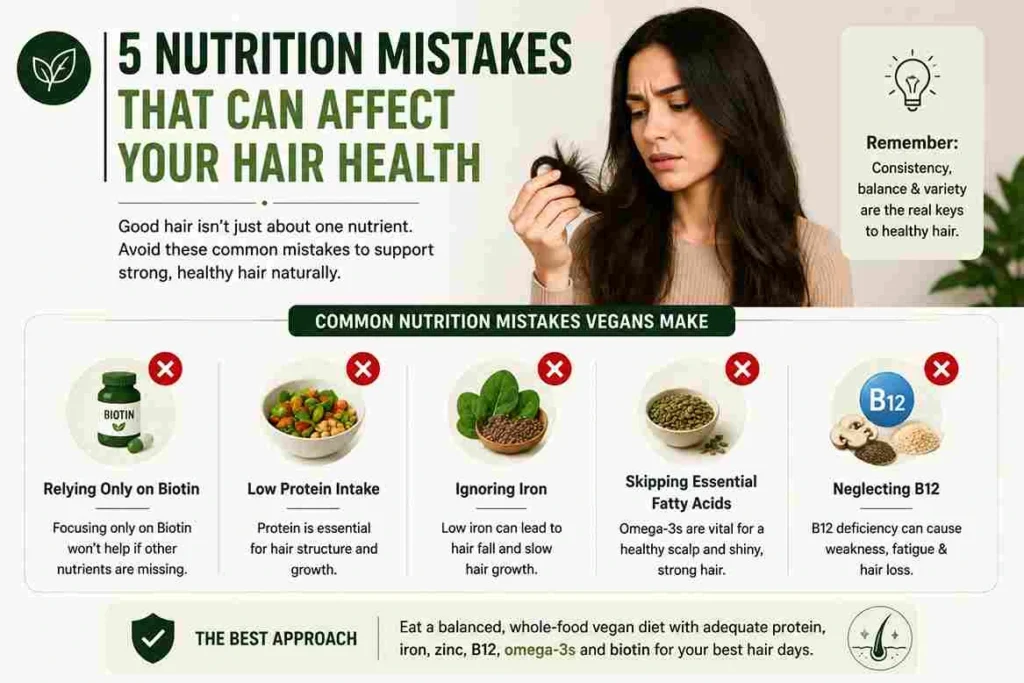
Biotin gets the marketing spotlight, but as covered earlier, actual deficiency is rare — chasing biotin alone while neglecting protein, iron, and B12 is a common and easily avoidable mistake.
Since hair is structurally built from protein, insufficient intake shows up in hair health faster than most people expect, particularly for anyone newer to a vegan diet who hasn’t yet recalculated their protein sources.
Fat-soluble vitamins relevant to scalp health need dietary fat for proper absorption — an overly low-fat vegan diet can undercut nutrients you’re otherwise eating enough of.
Chronic under-eating, whether intentional or not, is one of the more common and least discussed causes of hair thinning, since the body deprioritizes hair growth when energy intake is consistently insufficient.
Hair grows in cycles, and dietary changes typically take a minimum of several months before any visible difference shows up — patience is genuinely part of the process, not just a caveat.
For most people eating a varied diet, a standalone biotin supplement isn’t necessary — but for those with diagnosed deficiency, restrictive eating patterns, or absorption issues, a vegan-certified biotin supplement can help close the gap.
A well-formulated vegan multivitamin typically covers the nutrients most likely to fall short on a plant-based diet — B12 chief among them — rather than isolating biotin alone.
These typically combine biotin with other hair-relevant nutrients like zinc, iron, and B12 in one formula, which is generally a more useful approach than a biotin-only product given how interconnected these nutrients are for hair health.
Anyone with a diagnosed deficiency, a restrictive diet that consistently excludes several items on this list, visible signs of deficiency mentioned earlier in this guide, or specific medical risk factors like chronic alcohol use or certain medications — ideally after a conversation with a doctor rather than as a first response to normal, everyday hair shedding.
Nutritional yeast is the standout, delivering up to 21 mcg per 2 tablespoons — a large share of the daily 30 mcg target in one serving. Sunflower seeds, almonds, mushrooms, sweet potatoes, and avocado round out the next tier of strong plant-based sources.
Yes, for most healthy adults. Biotin deficiency is rare across the general population, and a varied vegan diet including nuts, seeds, legumes, and mushrooms typically meets the 30 mcg daily target without needing supplementation.
No single food covers everything hair needs — a combination of biotin sources (like nutritional yeast) alongside protein-rich foods (like lentils and soybeans) and iron sources (like spinach) covers more ground than any one item alone.
The same as anyone else: 30 mcg per day for adults, per NIH's Adequate Intake guideline. There's no evidence vegans specifically require more biotin than omnivores — the concern with a vegan diet is usually about other nutrients like B12 and iron, not biotin itself.
Yes — it's one of the richest plant-based sources available, though the exact amount varies by brand and whether the product is fortified.
Only in cases where the hair loss is actually caused by a biotin deficiency, which is uncommon. For non-deficient individuals, Harvard's Nutrition Source notes that evidence supporting biotin supplementation for hair growth is limited to small case studies, not robust clinical trials.
Not automatically. Most people get enough from food. Supplements make more sense for diagnosed deficiency, certain medications, or specific restrictive eating patterns — a conversation worth having with a doctor rather than defaulting to a supplement first.
Hair growth cycles operate on a timeline of months, not weeks, so any dietary change — biotin included — typically needs a minimum of three to six months of consistency before a visible difference is realistic to expect.
Build your plate around a few reliable anchors — nutritional yeast stirred into daily cooking, a handful of nuts and seeds, mushrooms and sweet potatoes in regular rotation — rather than treating biotin as something to fix with a single “superfood” or supplement. Consistency across ordinary meals will get you further than an occasional big dose of any one item.
Diet is only one half of the hair health equation. Pairing a genuinely biotin- and protein-sufficient vegan diet with a well-formulated topical hair care routine — the kind covered in our vegan hair oil and hair care guides — gives you both the internal and external support hair actually needs, rather than expecting food alone to do all the work.
Nutritional information in this guide is drawn from the National Institutes of Health Office of Dietary Supplements, the Harvard T.H. Chan School of Public Health’s Nutrition Source, and peer-reviewed food composition research as reported by Healthline. Because USDA’s FoodData Central does not maintain a standardized biotin database, reported values for some foods vary across sources — figures here reflect reasonable, well-sourced estimates rather than exact laboratory measurements for every product or brand. This content is for informational purposes and isn’t a substitute for individual medical or dietary advice.
Your choices can help protect innocent lives.
No spam. Only vegan tips, cruelty-free updates & animal awareness 🐾


 Vegan FoodBaby & MomBeautyFashionPet & Animal CareHealth & WellnessHome & Cleaning Essentials
No account yet?
Create an Account