Vegan meat is a plant-based alternative to traditional meat made from ingredients like soy, pea protein, wheat gluten, and mushrooms. It is designed to replicate the taste and texture of real meat while being completely free from animal products. This guide explains what vegan meat is, how it’s made, its types, benefits, and how it differs from plant-based meat. It also explores its health aspects, examples, and growing popularity in India, helping readers understand why vegan meat is becoming a sustainable and modern food choice.
What Is Vegan Meat?
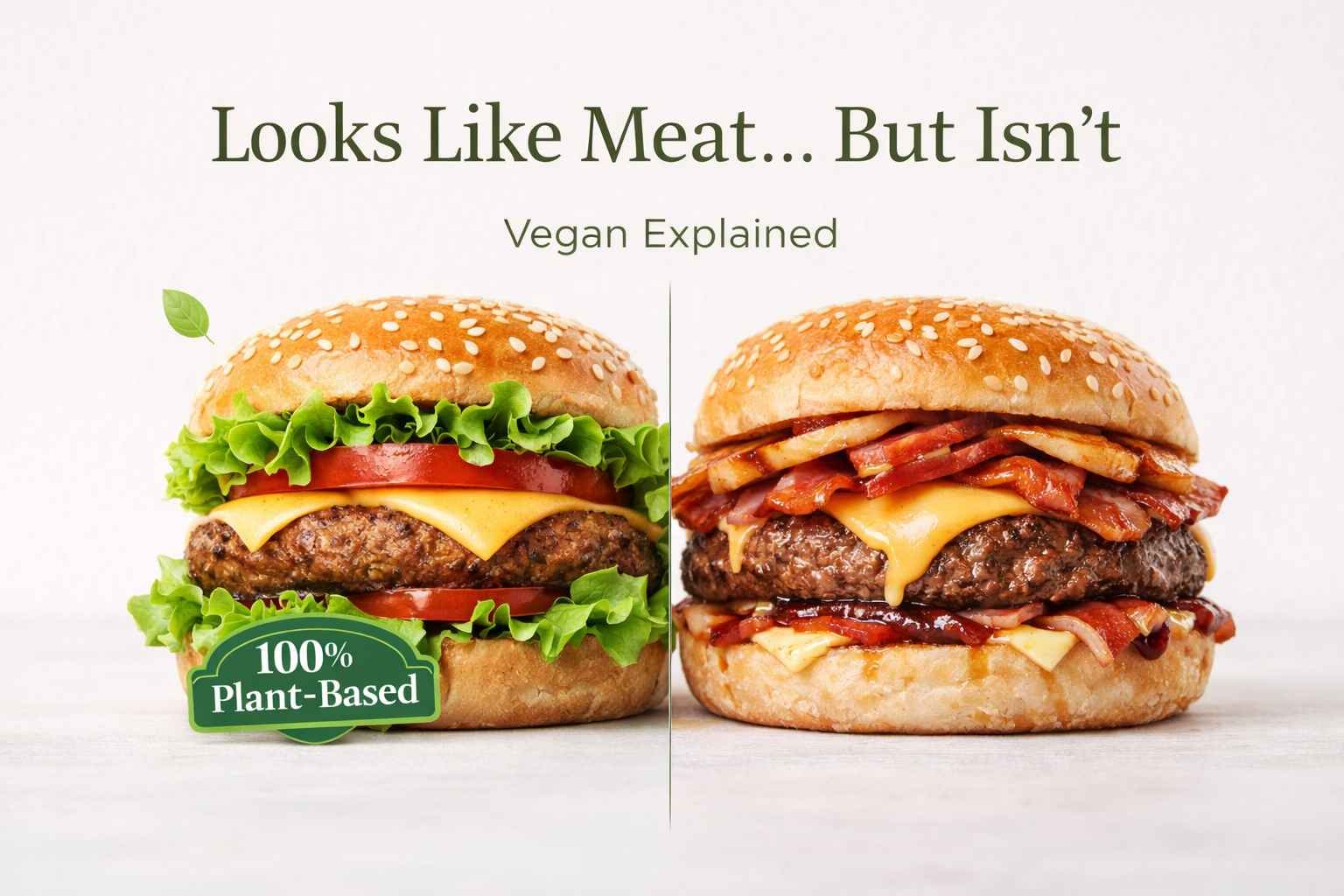
Vegan meat is a plant-based alternative to traditional animal meat that is made entirely without any animal-derived ingredients. It is created using sources like soy, pea protein, wheat gluten, or mushrooms, which are processed to replicate the taste, texture, and appearance of real meat. The goal is not just to replace meat, but to offer a similar eating experience while aligning with ethical and environmental values.
Unlike conventional meat, vegan meat is completely cholesterol-free and does not involve animal farming, making it a more sustainable and cruelty-free option. As food technology continues to evolve, modern vegan meat products are becoming increasingly realistic in both flavor and texture.
Vegan Meat (Quick Overview)
Key Features of Vegan Meat
Vegan meat is defined by a few essential characteristics that make it different from traditional meat. It is completely free from animal products, relies on plant-based proteins, and is designed to mimic the taste and texture of real meat. It is available in both minimally processed forms like tofu and highly processed forms like burgers or sausages.
Why It’s Becoming Popular
The popularity of vegan meat has grown rapidly as more people become aware of health concerns, environmental impact, and animal welfare. It allows individuals to enjoy familiar foods while making more conscious choices. Additionally, the rise of flexitarian diets has made vegan meat appealing even to those who are not strictly vegan.
Vegan meat is not just a substitute—it represents a major shift toward sustainable and ethical food choices.
What Is Vegan Meat Made Of?
Common Plant-Based Ingredients
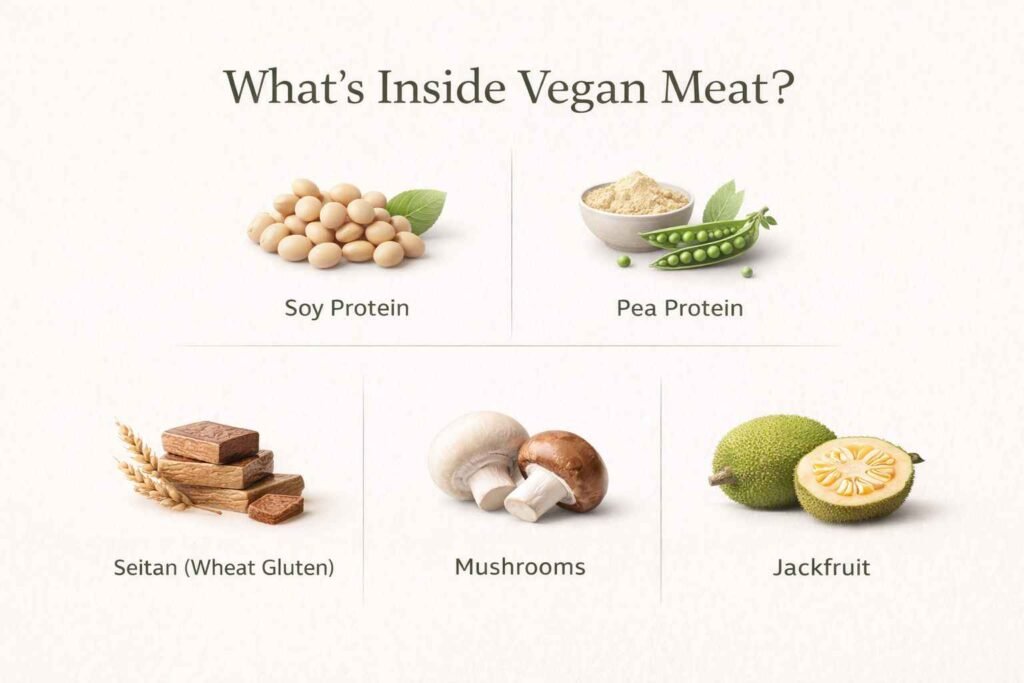
Vegan meat is made using a combination of plant-based ingredients that work together to replicate the structure of animal meat. Common ingredients include soy protein, pea protein, wheat gluten (seitan), and naturally fibrous foods like mushrooms and jackfruit. These ingredients are selected for their ability to create a chewy, meat-like texture.
Protein Sources Used in Vegan Meat
Protein is the backbone of vegan meat. Soy and pea protein are widely used because they provide both structure and nutritional value. These proteins can be processed into forms that closely resemble the texture of real meat, making them ideal for plant-based alternatives.
Role of Fats, Binders & Flavors
To recreate the juiciness and taste of meat, manufacturers add plant-based fats such as coconut oil. Binders like starch help hold the structure together, while natural flavor compounds and seasonings enhance the taste. Together, these components create a product that closely mimics real meat.
Vegan meat combines plant proteins, fats, and flavors to recreate the full meat experience.
How Is Vegan Meat Made?
Step-by-Step Process
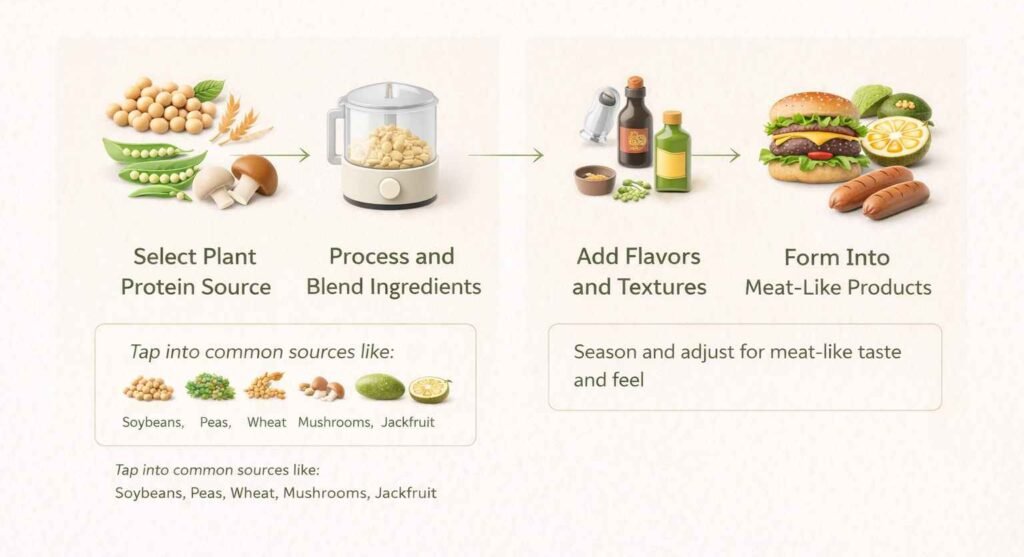
The production of vegan meat begins with extracting protein from plant sources such as soybeans or peas. This protein is then processed using advanced techniques like extrusion, which helps create a fibrous texture similar to animal muscle. After that, fats, binders, and flavorings are added to improve taste and texture, and the mixture is shaped into familiar forms like patties or chunks.
Texture & Taste Replication (Biomimicry)
A key concept used in vegan meat production is biomimicry, where plant ingredients are engineered to imitate the structure and sensory experience of meat. This allows vegan meat to look, cook, and taste very similar to traditional meat, making it more appealing to consumers.
Vegan meat uses advanced food technology to replicate the taste and texture of real meat.
Plant-based proteins form the base of most vegan meats — from soy and pea protein to wheat gluten and jackfruit. To understand the nutritional side, see our breakdown of the best high-protein sources for vegans.
Types of Vegan Meat
Whole Food Vegan Meat Options
Whole food vegan meat options include tofu, tempeh, and jackfruit. These are minimally processed and retain most of their natural nutrients. They are often considered healthier choices and have been used in traditional cuisines for centuries.
Processed Vegan Meat Products
Processed vegan meats are designed to closely resemble traditional meat. These include products like vegan burgers, sausages, and nuggets. They are convenient and widely available, making them popular among modern consumers.
Traditional vs Modern Vegan Meat
Traditional vegan meat options like tofu have long been part of diets in many cultures, while modern vegan meats are created using innovative technologies to achieve a more realistic meat-like experience. Both types serve different needs and preferences.
Vegan Meat vs Plant-Based Meat
Key Differences Explained
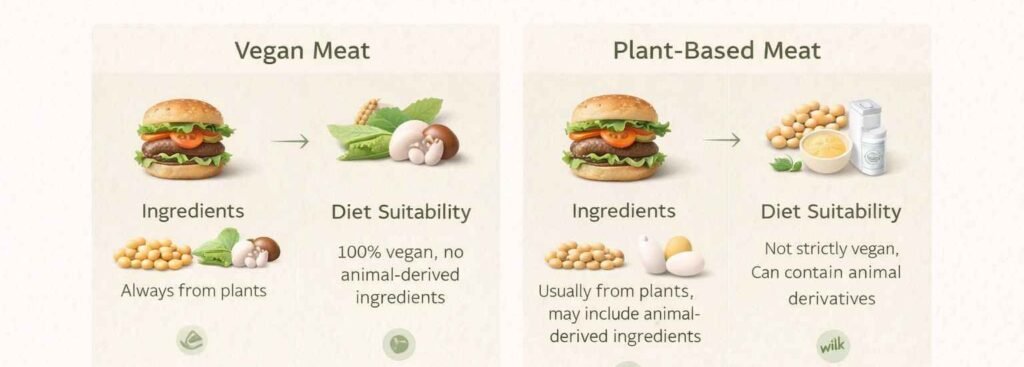
While both terms are often used interchangeably, vegan meat and plant-based meat are not exactly the same. Vegan meat strictly contains no animal-derived ingredients, whereas plant-based meat may sometimes include small non-vegan elements depending on the product.
Which One Is Truly Vegan?
Only products that are completely free from animal ingredients can be classified as vegan. It is important to check labels carefully when choosing products.
Common Confusion Explained
The confusion arises because “plant-based” is often used as a broader term. Understanding this distinction helps consumers make informed dietary choices.
All vegan meat is plant-based, but not all plant-based meat is strictly vegan.
Benefits of Vegan Meat
Health Benefits
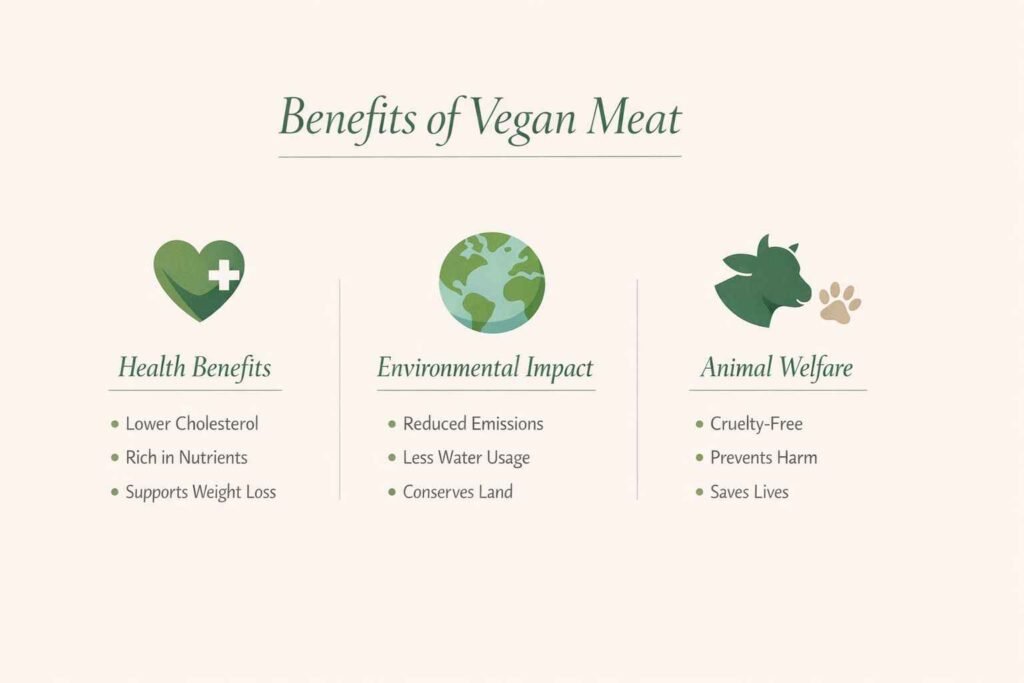
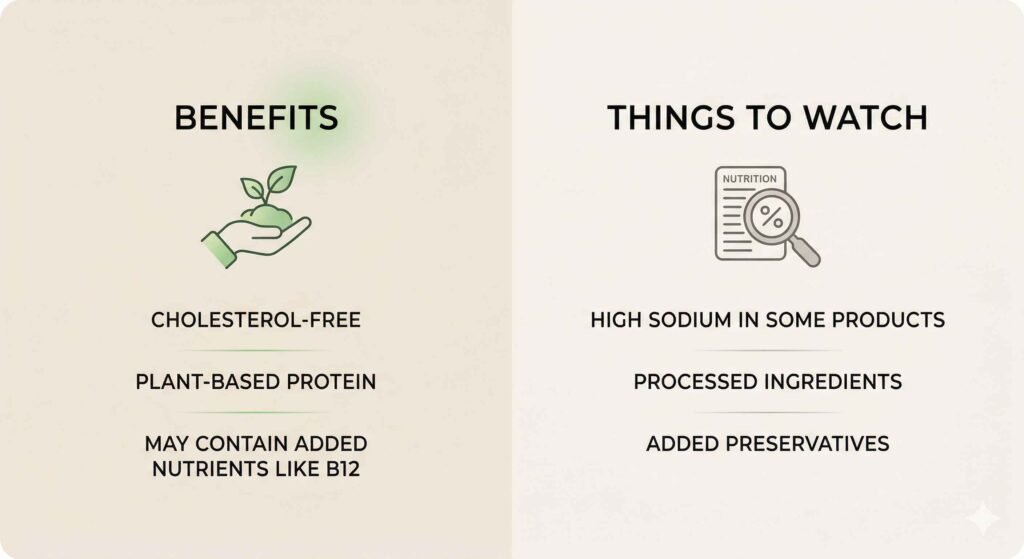
Vegan meat is typically cholesterol-free and may contain lower levels of saturated fat compared to traditional meat. It can also provide a good source of protein, making it a suitable alternative for many diets.
Environmental Impact
Plant-based foods generally require fewer natural resources such as water and land. Choosing vegan meat can help reduce environmental impact compared to conventional meat production.
Ethical Advantages
Vegan meat supports cruelty-free living by eliminating the need for animal farming. This aligns with the values of people who prioritize animal welfare.
Vegan meat benefits both personal health and the environment.
Is Vegan Meat Healthy?
Nutritional Benefits
Vegan meat has come a long way from bland tofu blocks and tasteless patties. Today, it can genuinely hold its own as a nutritious, satisfying meal option — but like anything, it depends on what you pick.
On the plus side, most vegan meat products are naturally free from cholesterol and deliver a solid dose of plant-based protein. Many are also fortified with essential nutrients like Vitamin B12 and iron — two things traditional vegans often struggle to get enough of. If you’re curious about how plant proteins actually stack up nutritionally, Harvard’s breakdown of plant-based protein sources is genuinely worth a read — it puts the science in plain English.
That said, vegan meat works best as part of a balanced diet, not a magic fix. Pair it with whole grains, leafy greens, and legumes, and you’ve got a plate that’s both ethical and genuinely nourishing.
Processed vs Whole Options
Whole food options like tofu and tempeh are generally healthier because they are less processed. Processed vegan meats, while convenient, may contain additives.
Things to Watch
Some vegan meat products may have high sodium levels or preservatives. It is important to read labels and choose products wisely.
Vegan meat can be healthy when consumed in balance and with attention to ingredient quality.
Examples of Vegan Meat Foods
Everyday Vegan Meat Dishes
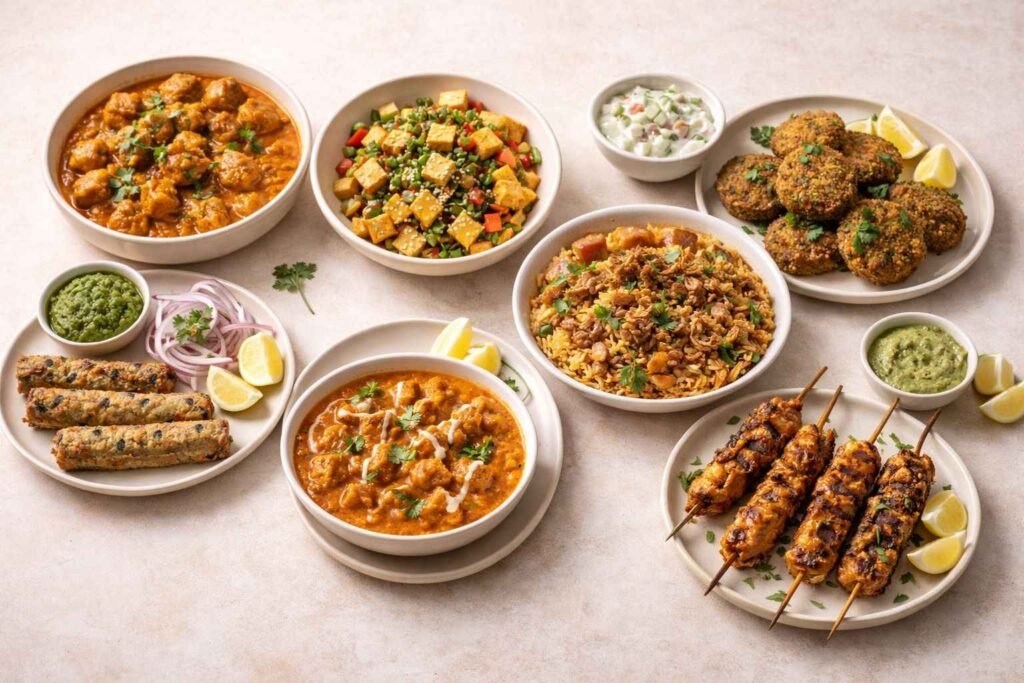
Common vegan meat dishes include soya chunks curry, tofu stir-fry, and vegan kebabs. These meals are widely consumed and easy to prepare.
Popular Vegan Meat Products
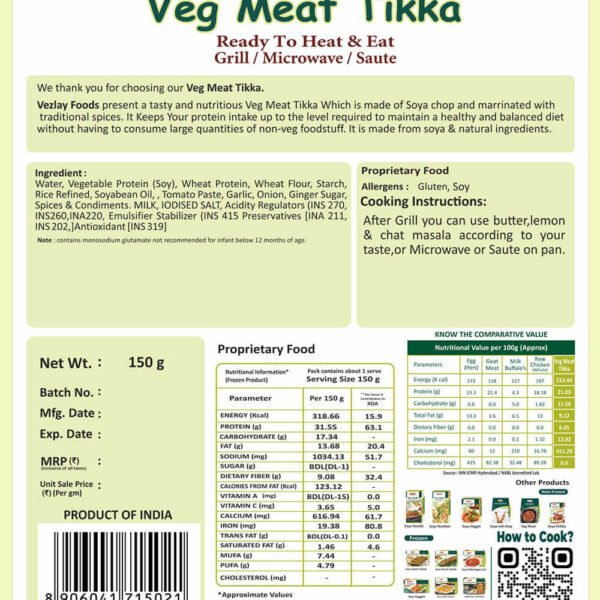
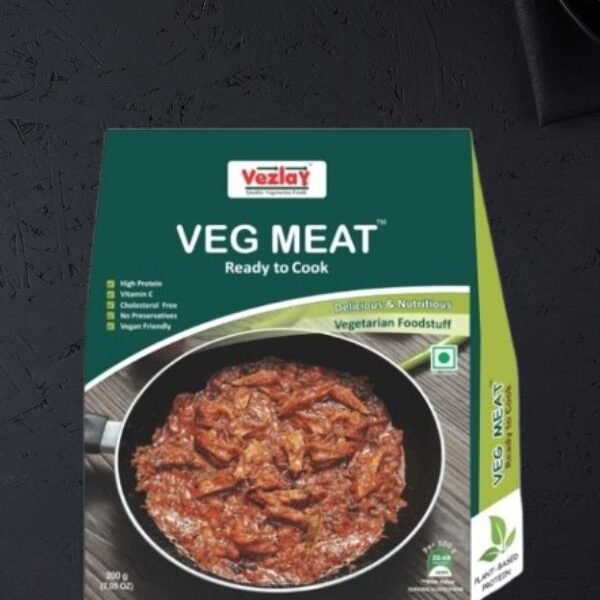
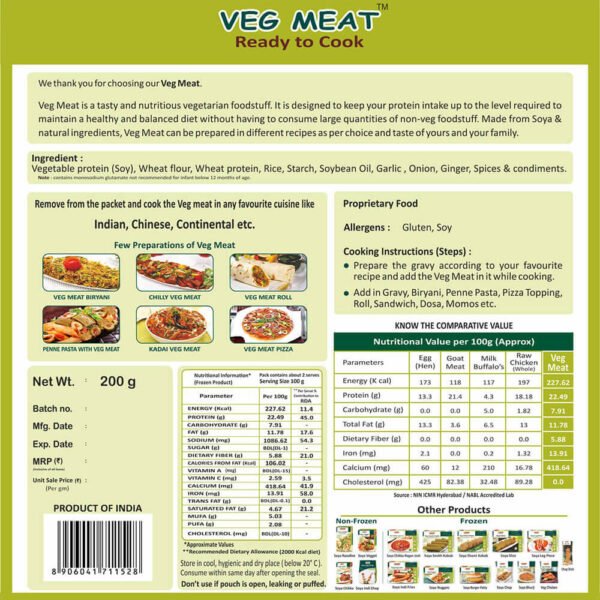
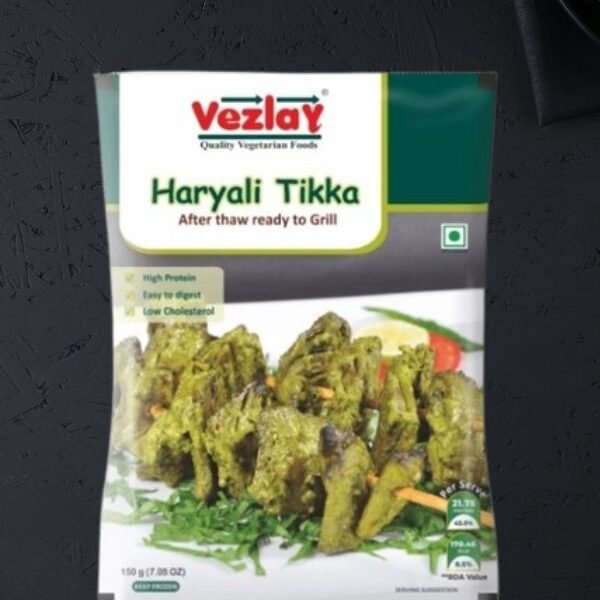
Popular products include plant-based burgers, vegan sausages, and meat-free nuggets, which are designed to mimic traditional fast food options.
Vegan Meat in India
Common Indian Vegan Meat Options
India offers many natural vegan protein options such as soya chunks, tofu, and soya chaap. These foods are already widely used and accessible.
Growing Plant-Based Market in India
The Indian market is rapidly adopting plant-based products, with new brands and innovations making vegan meat more available to consumers.
India is uniquely positioned for vegan meat growth due to its existing plant-based food culture.
Vegan meat is also showing up in fast food chains across India. See our round-up of vegan fast food options in India to find out where you can try plant-based meals on the go.
Who Should Try Vegan Meat?
Beginners Switching to Vegan
Vegan meat makes it easier for beginners to transition by offering familiar textures and flavors.
Fitness & Protein Seekers
It provides plant-based protein alternatives for those focused on fitness and nutrition.
Flexitarians
People who want to reduce meat consumption without eliminating it completely can benefit from vegan meat.
How to Choose the Best Vegan Meat
Check Ingredients
Look for clean, recognizable plant-based ingredients.
Nutritional Value
Evaluate protein content, sodium levels, and overall nutrition.
Whole vs Processed
Prefer whole food options for better health benefits.
FAQs
Conclusion
Vegan meat is redefining the way people approach food by offering a practical, ethical, and sustainable alternative to traditional meat. It allows individuals to enjoy familiar flavors and textures while making choices that align with their health goals and values.
As awareness continues to grow, vegan meat is no longer just an alternative—it is becoming a mainstream option for modern lifestyles. Whether you are fully vegan or simply exploring plant-based eating, vegan meat provides a flexible and forward-thinking solution.
Vegan meat is not just a substitute—it represents the future of conscious and sustainable eating.
✅ Ready to try vegan meat at home? Browse Veggora’s growing range of mock-meat products — from vegan keema to plant-based nuggets.